Science: We are biologists!
In our next science unit, we are biologists. Biology is the study of living things.
In this week’s lesson, we dissected a flower called Alstroemeria. We labelled the different parts and discussed which of them make up the male and female reproductive systems. Have a look at our work:

Help at home: Label the different parts of the flower.

PE: Cricket
This half-term, our PE topic has been cricket. We have been practising our batting, bowling and fielding skills. We have been perfecting the ready position in each of these rolls. In the past couple of lessons, we have been applying our improved skills in games of kwik cricket.
Help at home: Can you show the ready positions? What are the rules of kwik cricket?
Living and Learning: Relationships
Over the past 3 weeks, we have had a plethora of RSE lessons covering a range of topics. This week, we talked about relationships and what makes them healthy as well as families and what makes ours different and unique.
To start, we defined a relationship as “the way in which two or more people or things are connected, or the state of being connected” and then talked about the different relationships we have in our lives. Then, we discussed healthy and unhealthy relationships and thought about how we could support and improve them. Here are a few ideas:
- being kind, considerate and respectful
- being honest
- listening to each other
- respecting personal space, boundaries and privacy
- accepting others’ differences
We then talked about similarities and differences between our families and focused in our why our families are important to us. Here are a few responses. Families provide:
- love
- care
- support
- food
- shelter
- safety
Help at home: Talk with your child about the different relationships they have.
Inter-Primary Sports Day
Some children from Y5 and Y6 went to a sports day at Allerton Grange. There were lots of other schools there competing in a range of events such as javelin, long jump and 200m.
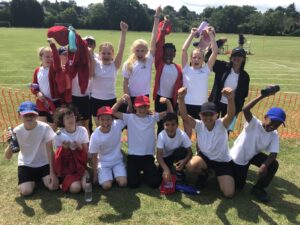
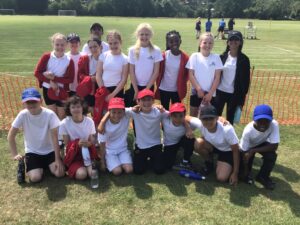
Everyone represented Moortown with commitment, enthusiasm and (most importantly) respect. We finished fifth overall!
Well done to all who took part.
Orienteering
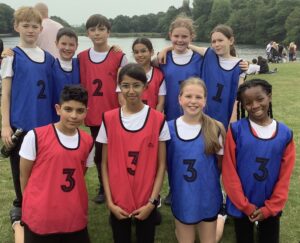
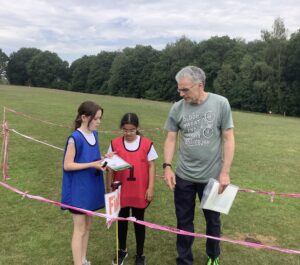
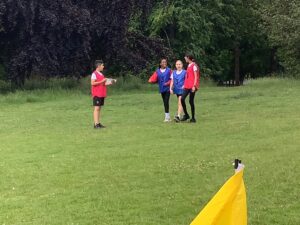
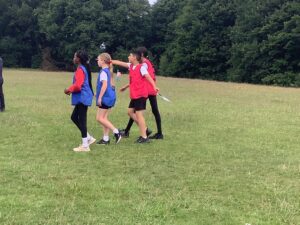
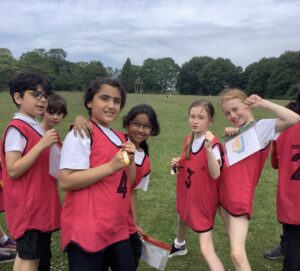
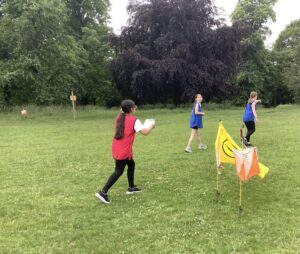
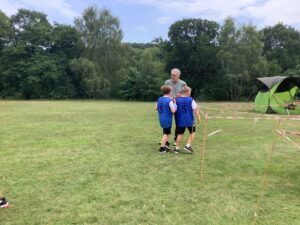
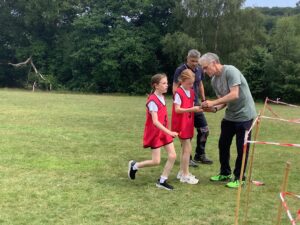
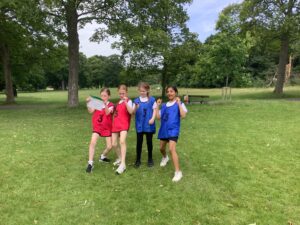
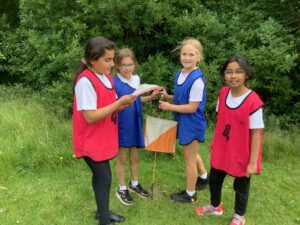
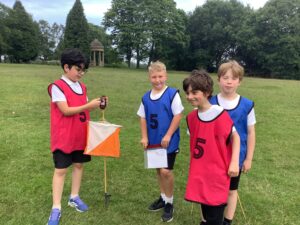
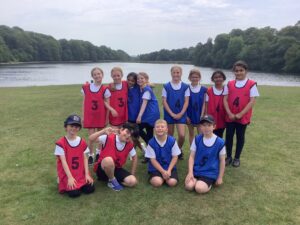
Recently, as part of the Leeds Well Schools Partnership, some of our Key Stage 2 children participated in an orienteering event at Roundhay Park.
After being briefed on the rules and how to complete the orienteering challenge, they set off with their partner armed with a map of the site to find the first check point. Then, it was back to the start to hand over to the other pair in their team for them to find check point two and so on until all twelve markers had been found.
The children worked brilliantly in their teams encouraging and supporting each other.
Well done to all the children for representing the school so well and developing these great skills.
The event was led by Airienteers and they have permanent orienteering courses across Leeds locations. Here’s the course for Roundhay Park.
Production: We’ll Meet Again!
Hi everybody!
Please make sure you bring your costumes and props outlined – in today’s letter – to school no later than Friday 20th June, in a named plastic bag. If you don’t have any of the items listed for your role, please let an adult in Year 5 or Year 6 know before this Friday.
Keep practising your lines at home and get into the character you are portraying!
Thanks everyone!
Science and Media Museum
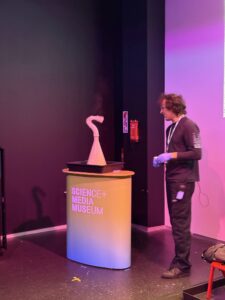
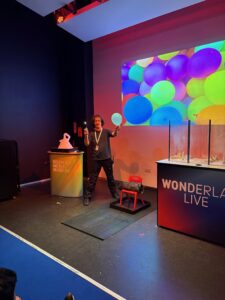
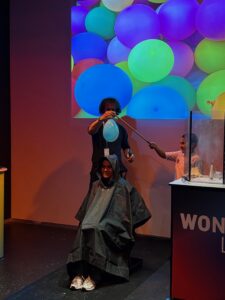
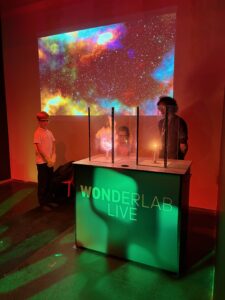
Year 5 went to the National Science and Media Museum. Whilst we were there, we got to see lots of AMAZING things. We watched a science show that had experiments that the children could join in with – I even had a water balloon popped over my head! We learnt how ‘elephant’s toothpaste’ was created (not actual elephant toothpaste – just the name of the experiment) and create flames of different colours.
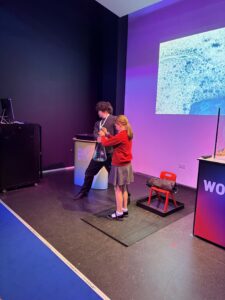

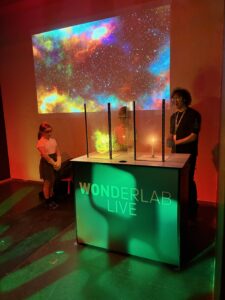
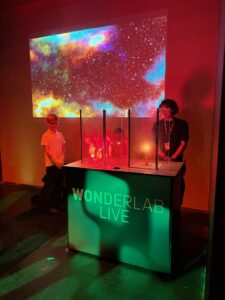
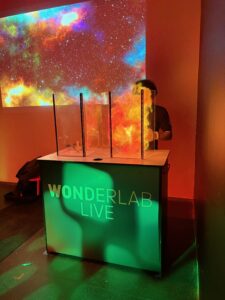
We then got to visit the ‘You:Matter’ exhibition where the children were able to immerse themselves in a digital experience that revealed how we are all connected to nature and the universe.
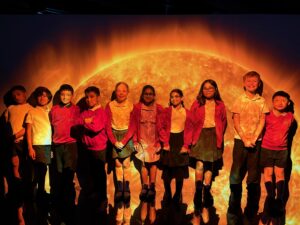
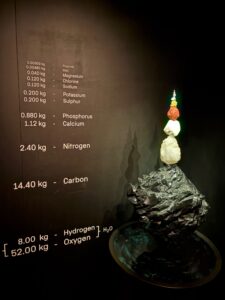
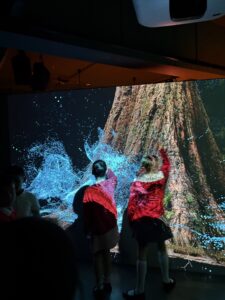
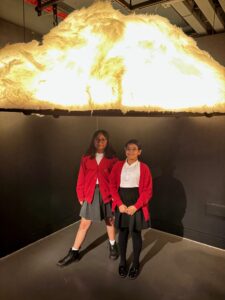
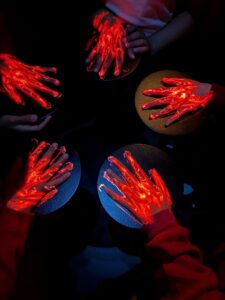

To finish off the day we went into their ‘Wonderlab’. Year 5 were able to experiment with light and sound to understand the technology they use everyday.
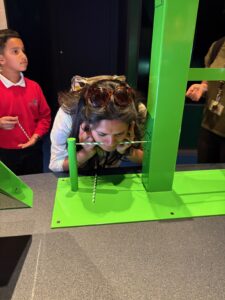
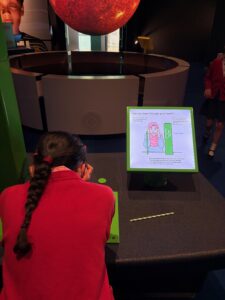

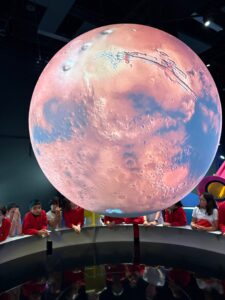
The children really enjoyed going on this trip and wanted to share some of their favourite parts:
Aaron: The experiment with the flames because it was cool when the colours changed.
Rory: I liked the show because a) the elephant toothpaste experiment was cool; b) Miss Goswami got wet; and c) the flames changing colour were interesting. The talk about the planets was fascinating!
Ibby: The part where we could put our face onto the screens to see how we are made of atoms.
Erica: I enjoyed being picked to help with the fire experiment.
Rody: I liked the mirror maze because it was fun!
Nate: I liked the whole of the ‘Wonderlab’ because you could interact with lots of different experiments.
Nimrah: I enjoyed the part where you could put your hand into optical illusion with water.
Help at home: Have a discussion about what your child’s favourite part of the day was. What was one thing they learnt from the science talk? What was the best experiment in the live show?
Design and Technology: Design Criteria
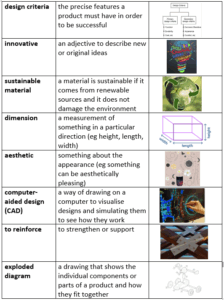
This half term, we are designers. Year 5 learnt about design criteria. Design criteria is ‘the precise features a product must have in order to be successful’. In the lesson, we looked at different items and created what we thought the design criteria would be.
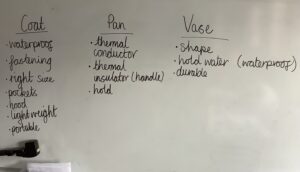
Help at home: Discuss the key vocabulary for this half term.
Reading: Performing Poetry
This week, we’ve been reading a poem called ‘Photograph’ by Roger Stevens.
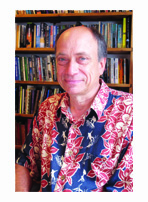
Roger Stevens is a well-known British poet, author, and musician who has written extensively for children. He has published dozens of poetry collections, both as a solo writer and as an editor of anthologies that bring together poems from a range of voices.
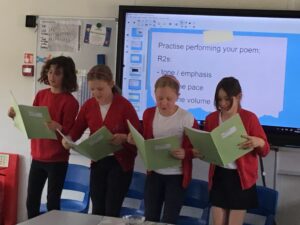
Today, we performed the poem in groups! Here are the R2s:
– tone / emphasis
– vary the pace
– vary the volume
Here’s the photo I took
Last year on the beach
Dad, wearing the tie
I bought him for his birthday
Billy drinking lemonade
The straw up his nose
And Mum, huddled up in her coat
Against the seaside windNow Dad’s in France
And our beach is covered in concrete
And tangled barbed wire
And land mines
In case the Germans invadeBut on that day
We’d just made
The world’s grandest sandcastle
And watched the tide
Rush in
Filling the moat
Gradually washing
The sandcastle away
Living and Learning: Physical Health and Fitness
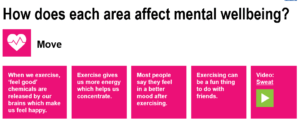
This week, our L&L statement is ‘I know that being physically active is mentally and physically healthy’.
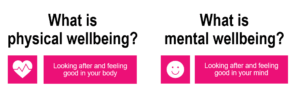
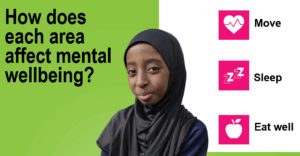
We also watched a video which explained why movement was so vital to our lives – it prevents disease, helps memory and builds muscle.
We discussed lots of other ways that being active improves mental wellbeing and came up with our own. We listed some top tips for getting moving.
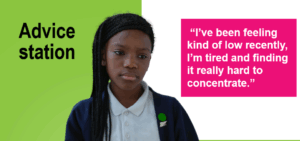
Help at home: What advice would you offer to this person?