19 May 2023

Vocabulary is the focus of this week’s homework. This half-term our topic has been History. We’ve been using and applying the key vocabulary below in our learning.

Years 1 and 2 History vocabulary:

  • equal rights: being treated fairly and having the same chances in life.
  • apartheid: a system that keeps people apart, usually because of their different skin colour.
  • racism: treating people differently because of the colour of their skin, their religious beliefs or their culture.
  • suffragette: a woman who campaigned for the rights of women to vote.
  • protest: people coming together to show others that they are against an idea or an event.
  • belief: a strongly held opinion that something is right.

Years 3 and 4 History vocabulary:

  • West Indies: a group of islands located in the Caribbean Sea
  • slave: a person who is owned by another person and forced to work for them with no pay or rights
  • slave trade: the buying and selling of slaves (the Atlantic Slave Trade was the forced movement of millions of African people to the West Indies and America by Europeans)
  • abolition: officially stopping or ending something, for example, slavery
  • plantation: a large piece of land (farm or estate) used for growing crops on a large scale, such as cotton, tea, sugar cane
  • carnival: a festival involving processions, music, dancing and wearing masks and costumes
  • immigration: coming to live permanently from another country

Years 5 and 6 History vocabulary:

  • evacuation: the movement of people from a place of danger to a safer place
  • refugee: a person who has been forced to leave their country to escape war, natural disaster or persecution
  • The Blitz: the German bombing campaign against the United Kingdom in 1940-41
  • persecution: the treatment of people really badly, especially because of their race, political or religious beliefs
  • Women’s Land Army: a unit of women recruited to do agricultural work in the UK during World War I and World War II
  • immigration: the action of coming to live permanently in a foreign country
  • British Empire: the group of countries which were ruled or controlled by Britain
  • Windrush Generation: people from the West Indies who immigrated to Britain after the war, initially on the ship called The Empire Windrush
    All of these words have been introduced over the half term. How confident do you feel explaining what they mean? Can you traffic light them into green (very confident), yellow/orange (mostly confident) or red (not confident).
Living and Learning: healthy eating

Over the past few weeks, Year 3 have been learning about healthy eating and how to make healthy choices regarding food.

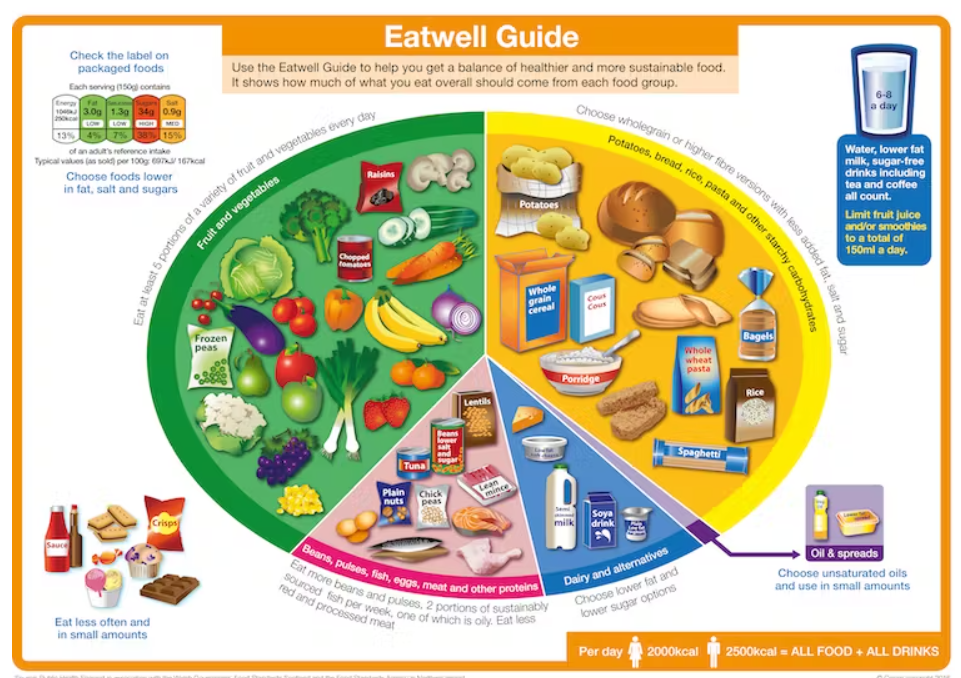
As a school, we promote a happy and healthy lifestyle. Eating and drinking healthily doesn’t necessarily mean only eating fruit, broccoli and peas but it means having a balanced diet.

As part of our lesson, we discussed this pie chart called the Eatwell Guide. It shows us how much of eat food group we should aim to be eating in a day.

Aiming to have at least five pieces of fruit and vegetables a day means that our body is getting the important nutrients and vitamins that it needs.

Help at home by challenging your child and see how many different fruit and vegetables they can name!

We are physicists!

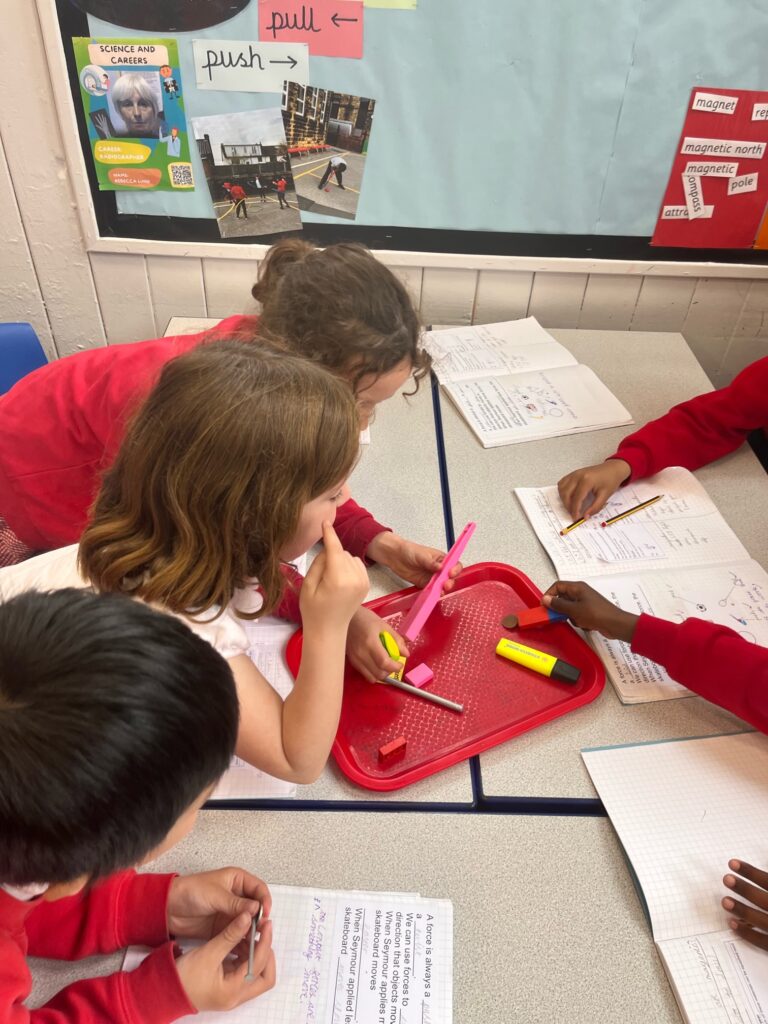
This half term, we are physicists. Our topic is all about forces and magnets.

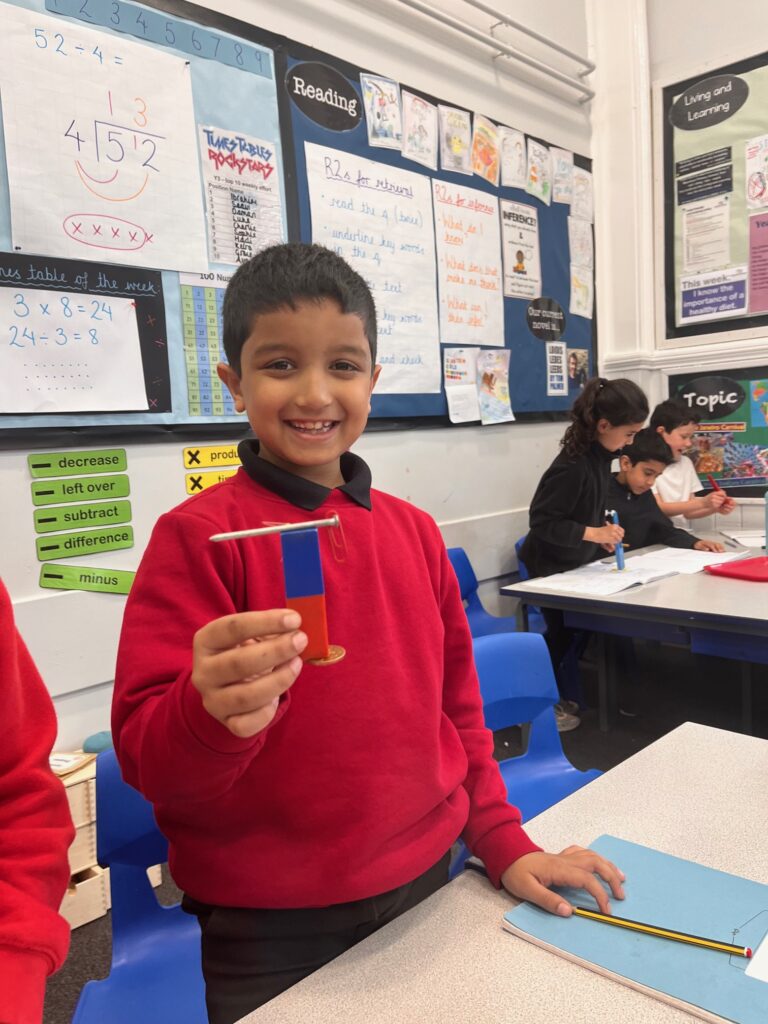
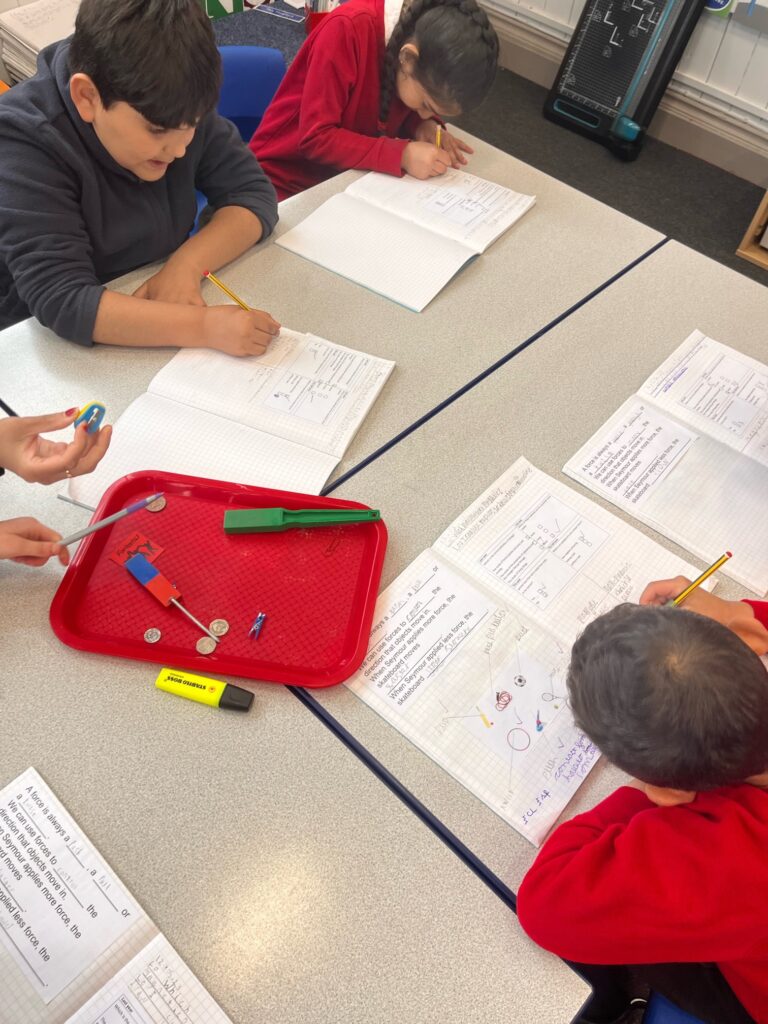
Last week, Year 3 explored which objects were/were not magnetic using magnets.

After careful observation, we concluded that some metal objects were magnetic.

We then recorded this information in a table in our books.

Help at home by asking your child what a metal needs to contain for it to be magnetic.

This week’s message (Friday 12 May 2023)

A short message from us this week…

Well done to all our Year 6 pupils this week – they’ve been doing their SATs, the end of Key Stage 2 assessments. They’ve coped really well, despite some of the papers being reported as challenging.

A particular well done to one pupil in the federation who’s shown great determination and resilience by doing the tests whilst in hospital – impressive determination, we’re sure you’ll agree.

Our annual survey

Every year, we invite you to complete a short survey. Your views matter. They help to shape what we do in the forthcoming year(s).

Like last year, this year’s survey features a series of questions closely related to what Ofsted might ask parents during an inspection.

Complete the Moortown Primary survey here. We’ll send a few reminders before the closing date, which is Friday 16 June.

It’s worth bearing in mind that if you raise in the survey something very specific that needs to be addressed, we can’t easily act on this without your child’s name. In fact, the survey isn’t the best place to raise individual, specific concerns – hopefully, you’re comfortable to speak with Mrs Weekes or a class teacher about these instead.

Finally, a quick reminder that Monday is a training day so school is closed. See you all on Tuesday.

05 May 2023

This week’s Talk Time has a moral question.

Should all adults have the right to vote?

What is voting?

Voting is a process by which a group of people can decide things fairly when they don’t all agree. Voting is an important part of the type of government called democracy. In a democracy, people use voting to choose government leaders. These government leaders represent their local areas and work together to consider and propose new laws. You must be 18 or over to take part in an election.

Can you think of a time when you’ve voted for something? How did you feel when you cast your vote? Was the process fair? For example, each year in school we elect a new Junior Leadership Team. Each class has the opportunity to vote for a representative from their class to be nominated.

Have a conversation with your family and friends at home and think about whether you feel all adults should have the right to vote and why. After your conversation, take some time to reflect on yours and others responses. Is there anything that you would like to know more about?

Coronation Day!

Yesterday, we celebrated the King’s coronation!

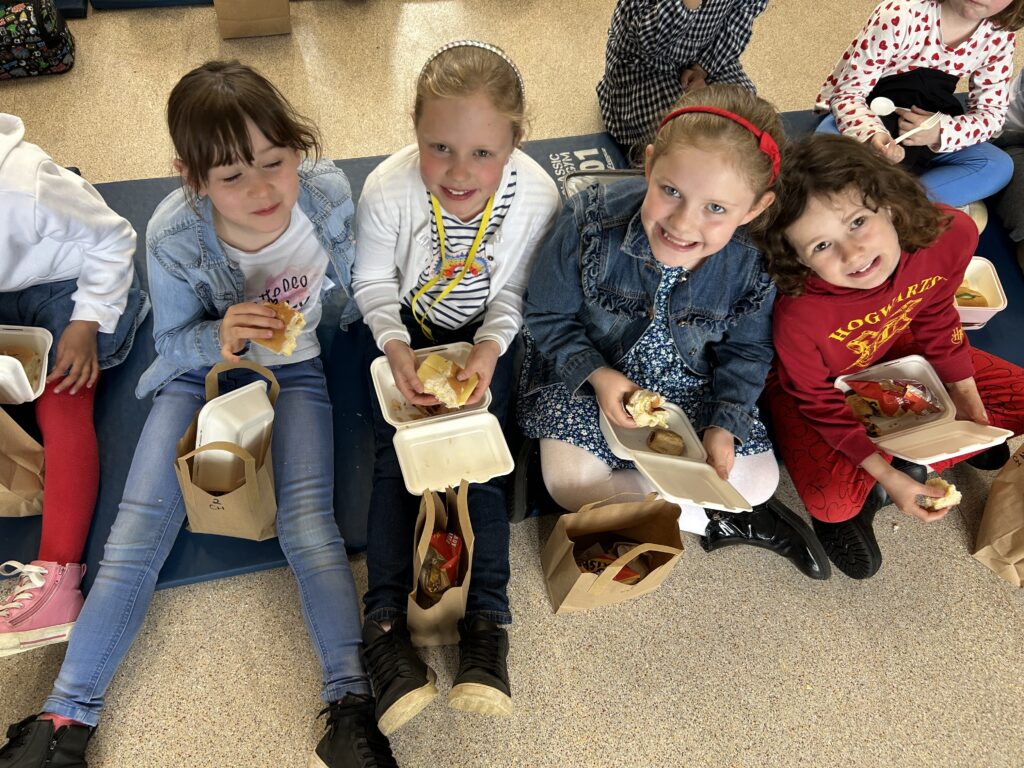
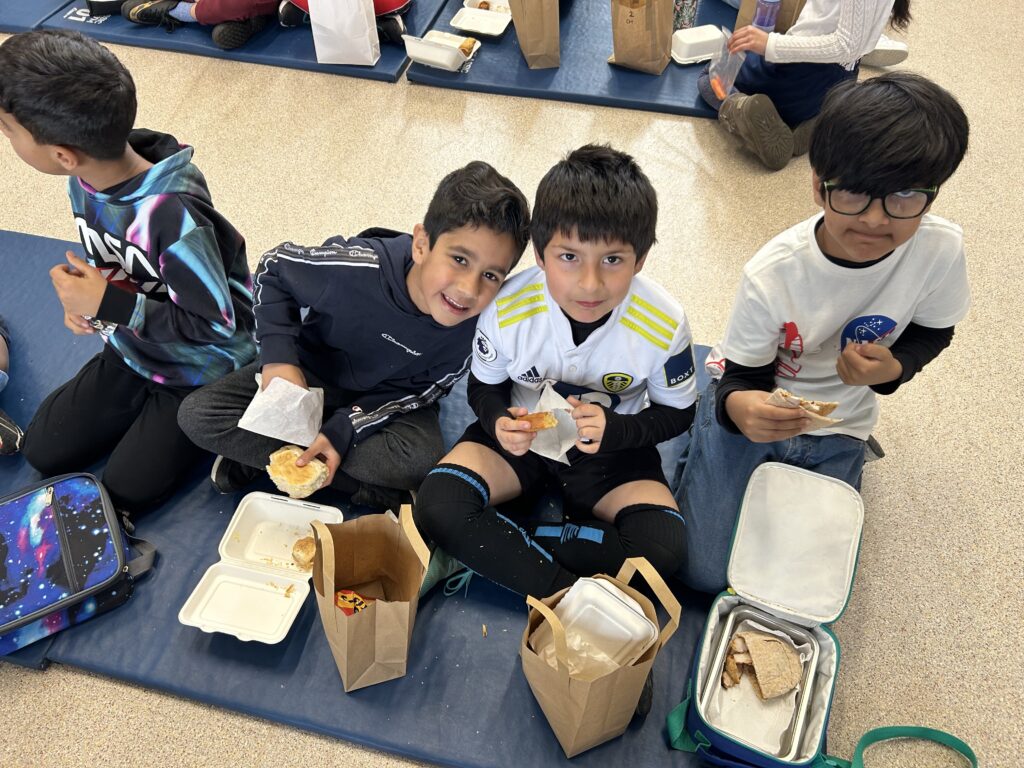
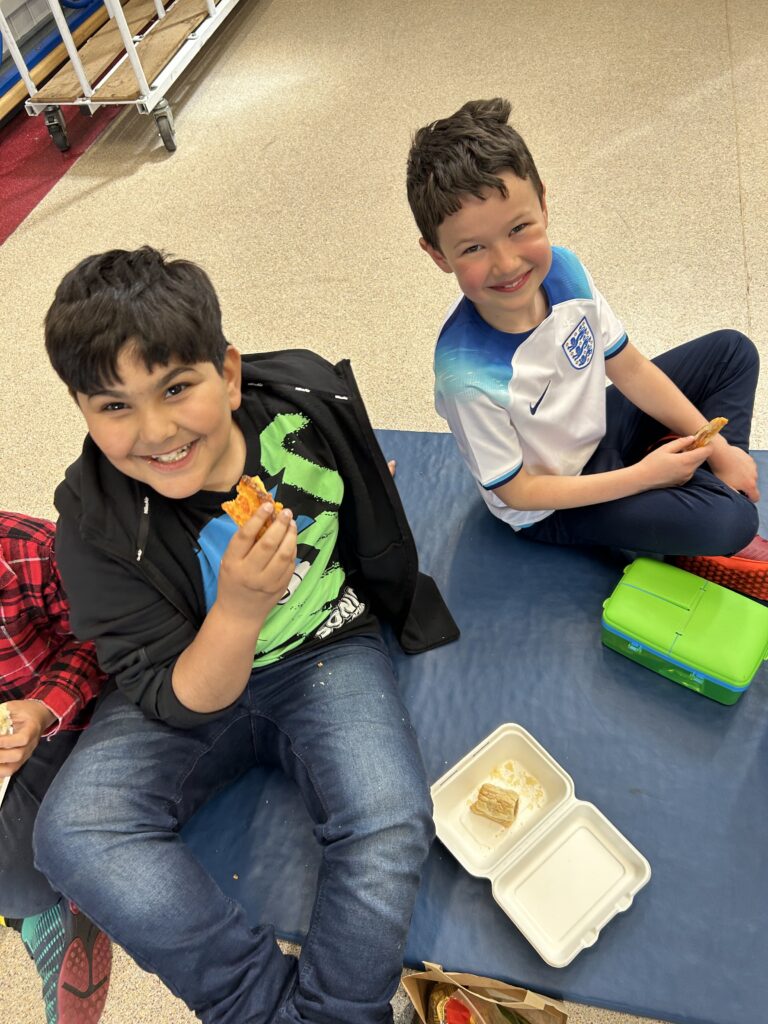
We came to school dressed in the colours of the Union Jack: red, white and blue. At lunchtime, we came to the hall to have an indoor picnic. We then spent the afternoon making crowns, decorating bookmarks and making coronation collages!


This week’s message (Friday 05 May 2023)

May’s always a busy time in school with statutory assessments beginning. Today, we’ve also had activities linked to the coronation.

We’re a beacon

We’re very proud to have been recognised as going far beyond the national criteria to achieve Healthy School status: due to our long-standing commitment to the Healthy Schools framework and the excellent work that we do to promote being happy and healthy, we’ve been awarded the status of Health and Wellbeing Beacon School.

When an assessor from Leeds Health and Wellbeing Service recently visited, the feedback was fantastic:

As a result of strong leadership and staff’s commitment to developing the whole child, the Healthy Schools framework is an integral part of school life. Great time and effort are put into ensuring that every opportunity to improve the health and wellbeing of the whole school community, is utilised which is reflected in the school aim – to be a happy and healthy place to learn.


PSHE [Personal, Social and Health Education, or what we call Living and Learning] has a high profile in school and is very well led and managed. The Health lead has worked hard to build an impressive curriculum that meets the statutory guidance and beyond…


A wide range of after school clubs are available, with pupil and parent voice influencing what is on offer, daily Wake Up Shake Up sessions are run by pupils, Sport leaders run lunchtime activities and there are many opportunities to take part in competitions.

Read the full feedback.

Stress-free SATs

Next week, Year 6 pupils have their end-of-key stage assessments – their SATs. Check out these seven top tips to support your child doing the SATs. (They’re useful for lots of children, lots of the time, too!)

Dates

Because of the coronation, all the Year 6 tests are one day later than normal. This means that our original training day, originally scheduled for Friday 12 May, is now Monday 15 May. We’re closed on this day.

Neurodiversity

‘Neurodiversity’ describes the different ways that people’s brains develop. Everyone’s brain is unique but the majority of us have similar brains to others. Our brains affect how we experience the world around us and how we react to it. Neurodiversity includes neurotypical and neurodivergent people. Neurodivergence describes people whose brains have developed differently, including autistic people and those with ADHD, dyslexia, dyscalculia, developmental language disorder and Tourette syndrome. The list of neurodivergent brain types is ever changing as we learn more.

NHS MindMate has recently launched a great website with loads of really helpful information, tips and advice – check it out.

Whatever you get up to this weekend, enjoy a happy and healthy – and longer – weekend!

05 May 2023

This week’s Talk Time links to the Coronation of King Charles III.

I know some facts about the Coronation of King Charles III

Watch the video about the coronation of King Charles III or read the information below.

The coronation of King Charles III will take place at Westminster Abbey in London on 6 May. His wife Camilla, the Queen Consort, will be crowned Queen Camilla shortly after as part of the same ceremony.

Coronations have taken place at the Abbey since 1066, the first known for sure to have taken place there being that of William the Conqueror. The ceremony is steeped in tradition: King Charles will sit in the coronation chair, which is over 700 years old; the St Edward’s Crown will be placed on his head; he will be anointed with holy oil by the Archbishop of Canterbury; the coronation anthem Zadok the Priest will be sung, just as it has at every coronation since 1727. After the ceremony King Charles and Queen Camilla will return to Buckingham Palace, where crowds will be waiting for them to appear on the royal balcony.

Celebrations will continue across the weekend. On Sunday 7 May there will be a concert at Windsor Castle. Also on Sunday communities are invited to come together to share food and fun as part of the Coronation Big Lunch. Monday 8 May is an additional bank holiday, when everyone is encouraged to help out in their local community as part of the Big Help Out.

After watching the video and/or reading the text can you answer the following questions:

  • When is the coronation happening?
  • How old is the special coronation chair?
  • What is included in the coronation regalia?
  • How much does the St Edward’s Crown weigh?
  • What role does the Archbishop of Canterbury play in the ceremony?

What events are happening across the coronation weekend?

Living and learning: Sun safety

This half term in Living and Learning, our topic is ‘healthy me’. We are learning about the different ways we can keep our bodies healthy.

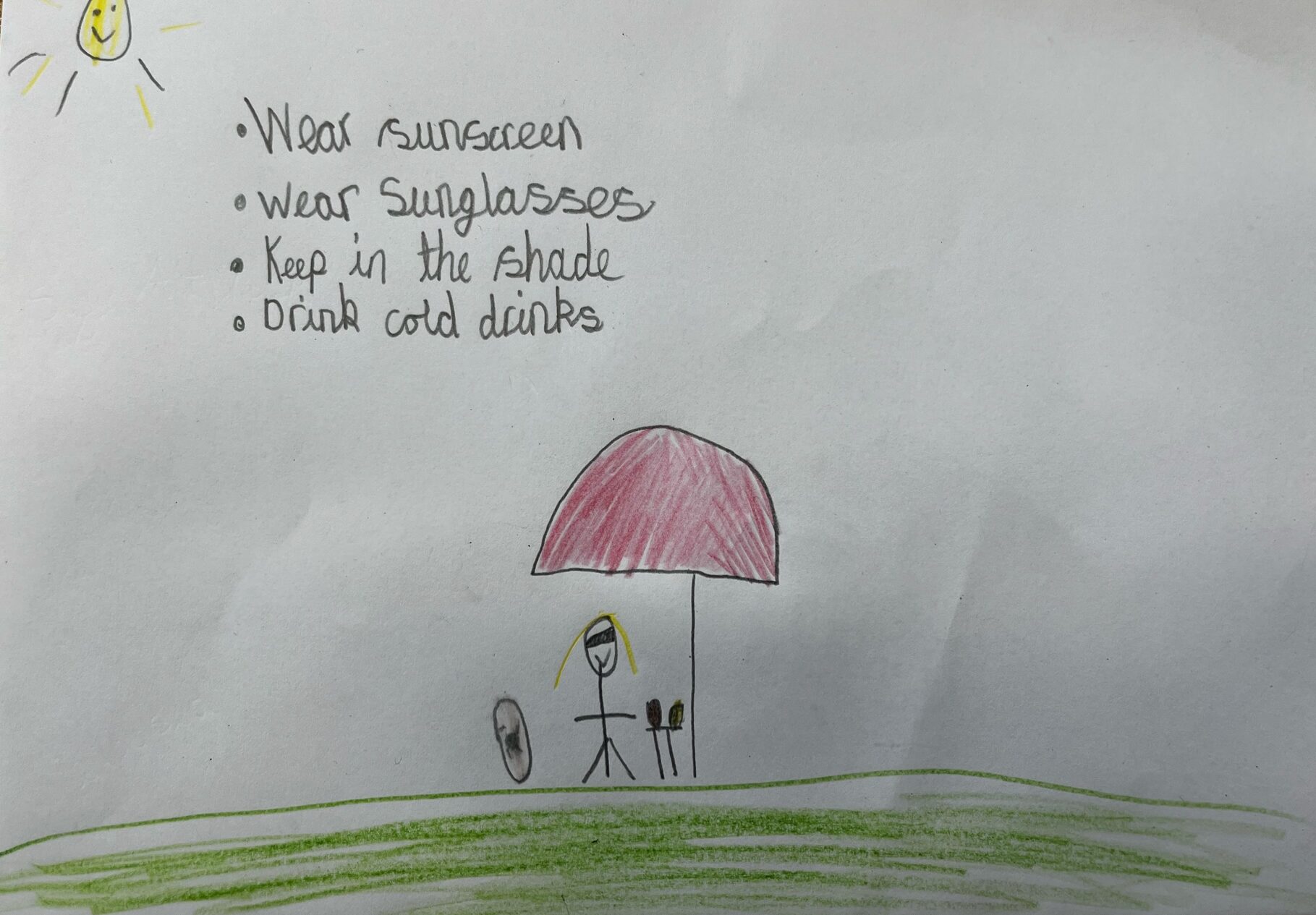
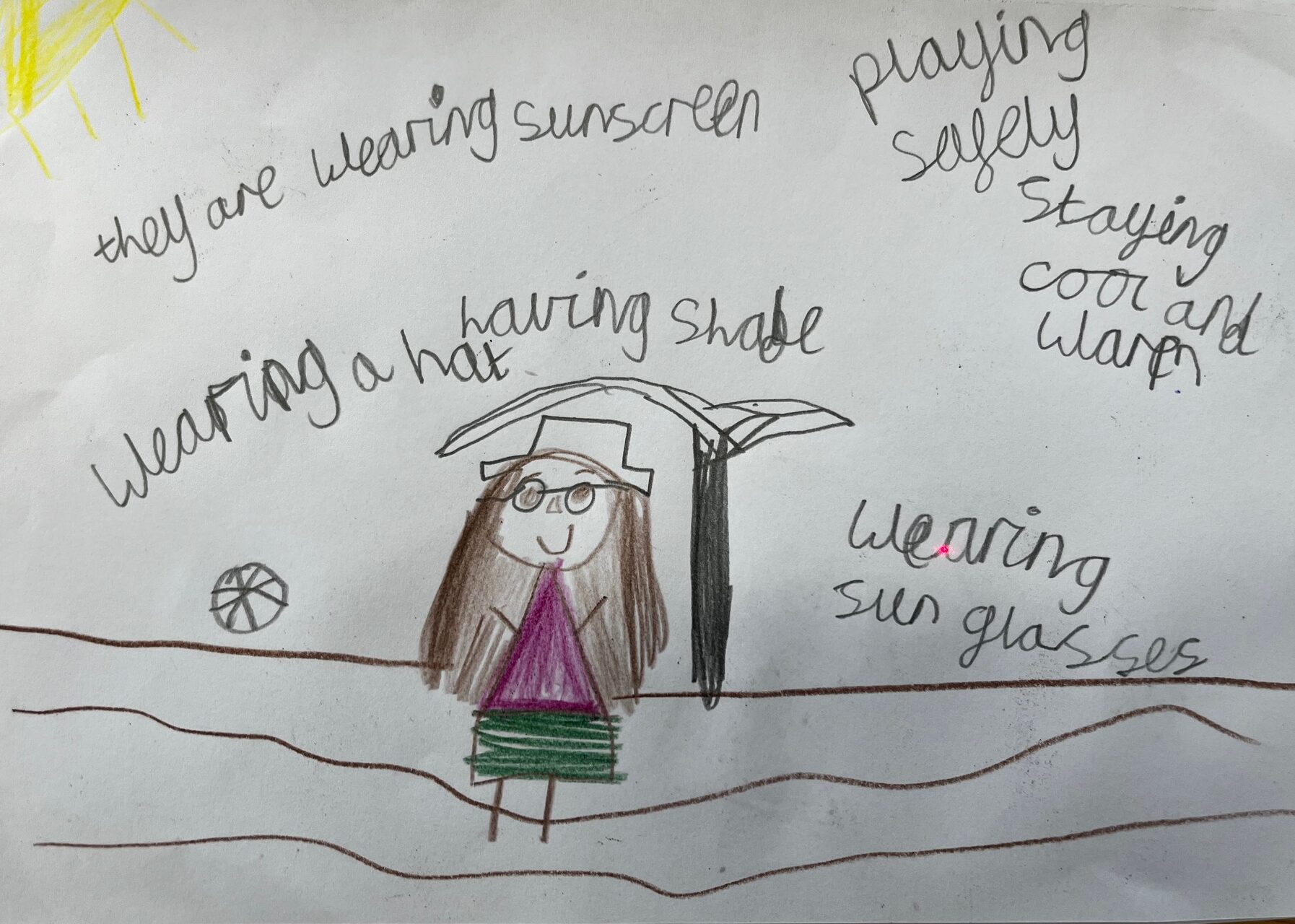
Last week, Year 3 learnt about sun safety and the positives and negatives of being out in the sun.

Have a look at some of Year 3’s suggestions for how to stay safe in the sun!

Help at home by asking your child how they can stay safe in the sun this summer.

This week’s message (Friday 28 April 2023)

This week’s message is about this half-term’s topic…

Topics are the vehicle for delivering much of the learning in the foundation subjects (eg Art, History, Geography). Each half-termly topic has a driving subject – the main focus for teaching pupils knowledge and skills.

Read more about the intent, implementation and impact of our topics.

This half-term, we’re historians. We’ll develop our understanding of people and events in Britain and the wider world.

Each phase has age-related specific knowledge, skills and vocabulary. (See pages 29 and 30 of our Curriculum Statement.)

Each phase also has key historical concepts which will feature within most lessons. These historical concepts are themes that are revisited, strengthened and deepened during your child’s journey through the history curriculum. (See page 24 of the Curriculum Statement.)

Years 1 and 2

In this topic, children will learn about two significant individuals who stood up for something they believed in. Nelson Mandela is famous across the world for his devotion to equal rights for black people in South Africa.  Leonora Cohen was a suffragette from Leeds who fought passionately for the right to vote for women. Children will learn about what they believed in, what they did and the impact that they had. They’ll also consider what they believe strongly about and how they can make a change.

The key concept that children will learn about in this history topic is inequality.

Years 3 and 4

In this topic, children learn about the Leeds West Indian Carnival. They’ll learn about the carnival’s founder, Arthur France, and how he came to Leeds from the West Indies. They’ll learn about how Arthur and friends started the carnival. They’ll then use a range of historical sources to study how the carnival has changed and how it has stayed the same. Children will finally learn about the origins of West Indian carnivals by learning about slavery and the slave trade.

The key concepts for this topic are trade, inequality and power.

Years 5 and 6

In this topic, children learn about what life was like in Britain during World War II. Children will begin by learning about how the war began. They’ll then learn about the mass evacuation of Jewish children from Germany to Britain. Next, they’ll learn about the Blitz and the evacuation of British children from towns and cities to the countryside. They’ll then learn about the role of women. Finally, they’ll investigate life after the war. They’ll learn about how the opportunities for women narrowed again and also the important role that immigration from Commonwealth countries played in helping Britain to rebuild after the war.

The key concepts for this topic are invasion, inequality and power.

How can you help?

Talk to your child about what they have been learning in class. The class news pages of the school website are a good place to go to find out more about what the children are doing.

Find some books from the library which match what your child is learning.

Visit Abbey House Museum as they have some artefacts relating to suffragettes and Leonora Cohen – it’s also a great visit, regardless of which period children are learning about. Leeds residents also get free access to nearby Kirkstall Abbey which is great to explore on a sunny day.

Leonora Cohen also has a blue plaque on a house she lived in on Clarendon Road in Woodhouse. Your teacher would love to see a selfie of you with her plaque!

Nelson Mandela Gardens in Millennium Square commemorates Mandela’s visit to Leeds when he has presented with the Freedom of the City. It’s a small, calm space well worth visiting if you’re in the city centre.

On Monday 01 May, you can book tickets to an illustration workshop at Harewood House with Kate Pankhurst, the author of the Fantastically Great Women books.

For World War II, Eden Camp is a great visit. Also in North Yorkshire is Yorkshire Air Museum which will be of particular interest to anyone wanting to learn more about the planes used during the war.  A bit closer is the Royal Armouries museum which has weapons and armour from a wide variety of time periods and places around the world.

Finally, it’s a little while away but a visit to the Leeds West Indian Carnival in August will give children the opportunity to experience the event in real life.