Week beginning 14 December 2020

Hi everyone

We’re really missing you in school and we can’t wait to have you back. We hope you’re managing to stay happy, healthy and safe while you’re not with us here in school. You are still very much a part of our school community so please get in touch with us.

[email protected]         [email protected] 

Here’s a short video from me introducing the week.

Maths

This week’s maths learning continues our unit on multiplication. Please use the following resources:

Lesson 1:          video    worksheet         answers

Lesson2:           video    worksheet         answers

Lesson 3:          video    worksheet         answers

Lesson 4:          video    worksheet         answers

Lesson 5:          arithmetic check

You don’t have to print the worksheet. Your child can write or draw their answers on paper. Your child’s learning will be most effective if you sit with them to pause the clip and check / praise / support your child as the clip moves on.

Practise times tables on Times Table Rockstars, too. Email me if you need your child’s login and password details.

(Suggested time: 30 minutes of Maths and 15 minutes of Rockstars daily)

Spelling

Look on the homework page to find this week’s spellings. Your child should complete one task each day.

  • Day 1: Generate more words linked to the spelling pattern or ‘rule’. You could look out for the words in the book you’re reading at home, or any other text, like a website linked to our science topic of Living Things and their Habitat.
  • Day 2: Practise the spellings using two of the ideas in our Super Spelling Strategies guide. (Set yourself and others at home a challenge of using some of the words when you’re speaking, too!)
  • Day 3: Write separate sentences, each containing one of the spellings. (Don’t forget to show off really neat handwriting and make sure you sentence starts with a capital letter and ends with a full stop, exclamation mark (!) or question mark (?).
  • Day 4: Repeat Task 2 or 3.
  • Day 5: Get an adult at home to test you on your spellings. Practise any you spell incorrectly – you could write them out carefully until you’re sure.

(Suggested time: 15-20 minutes daily)


Reading fluency

Instead of a single fluency text, this week there’s a selection of winter poems to read and respond to.

Poem 1             Poem 2             Poem 3

Choose one and focus on that or read all of them. Follow the sequence below:

  • Day 1: Read the text aloud with your child listening. Read it clearly and slowly, pointing to each word as you read. Have a chat about any unfamiliar words.
  • Day 2: Read aloud each sentence (a full short sentence or part of a longer sentence), and have your child read it back to you. Do this ‘echo reading’ for the whole text.
  • Day 3: Read the text and talk about the effect of the punctuation on how you read it – pauses for full stops and expression for exclamations (!) or questions (?). Your child reads the text aloud.
  • Day 4: Read together with expression (just like you practised on Day 3).
  • Day 5: Your child reads independently and fluently.

Extra task: Answer the comprehension questions on each link.

(Suggested time: 15 minutes daily)

Reading comprehension

Day 1: Click here for this week’s RIC text and click here for the questions. It’s about a poem called The dragon who ate our school.

RIC stands for:

  • Retrieve: finding information in a text
  • Interpret: using clues in the text to unlock information
  • Choice: thinking about the author’s choice of words, techniques or organisation that make the text interesting and enjoyable to read

Day 2: Agree with your child three words from any text they’ve read which they’re less familiar with. Your child should find out what they mean (eg by checking an online dictionary or simply discuss with you) and how to use them in sentences (both when speaking and when writing). Challenge your child to write a sentence with each word in, or to drop the words into conversations at home.

Day 3: Read this article from First News, a newspaper for children, and complete the activity.

Day 4: Read your fluency or RIC text again. We’re also reading another Greek myth called Orpheus and Eurydice. Click here if you’d like to read this. Next, do one of the following:

  • Your child could list at least ten facts they’ve read in the text. (If it’s a fiction text (a story), then the facts would be based on the story, like ‘Harry Potter picked up his broomstick’, rather than actual facts from the real world.)
  • Your child could create questions and answers for what they’ve read. (For example, it could be a TV or radio interview based on what they’ve read.)
  • Your child could create their own ‘RIC’ questions.
  • Your child could draw and label a character or setting that they’ve read about.

Day 5: Book Club. Once a week, we have a relaxing lesson where we sit and read quietly, often with an adult. At home, we’d like you to read your favourite book or text, too. If possible, discuss the book with an adult, talking about some or all of the sections of this sheet.

(Suggested time: 30 minutes daily)

Writing

This week, we’re writing different types of poems. Click the links to find out more.

Lesson 1

Lesson 2

(Suggested time: 30 minutes daily)

Topic

Click here for our final Ancient Greek history lesson. It’s an Oak Academy lesson which asks you to write about the achievements of the Ancient Greeks. We’ve learnt about this in class but if you need a recap here’s the previous lesson.


Science

We’ve finished the unit on Sound from Oak National Academy so click here for a Working Scientifically lesson about variables.

Also, there’s a RIC about sound here.

(Suggested time: 45 minutes)


History: Ancient Greek legacy

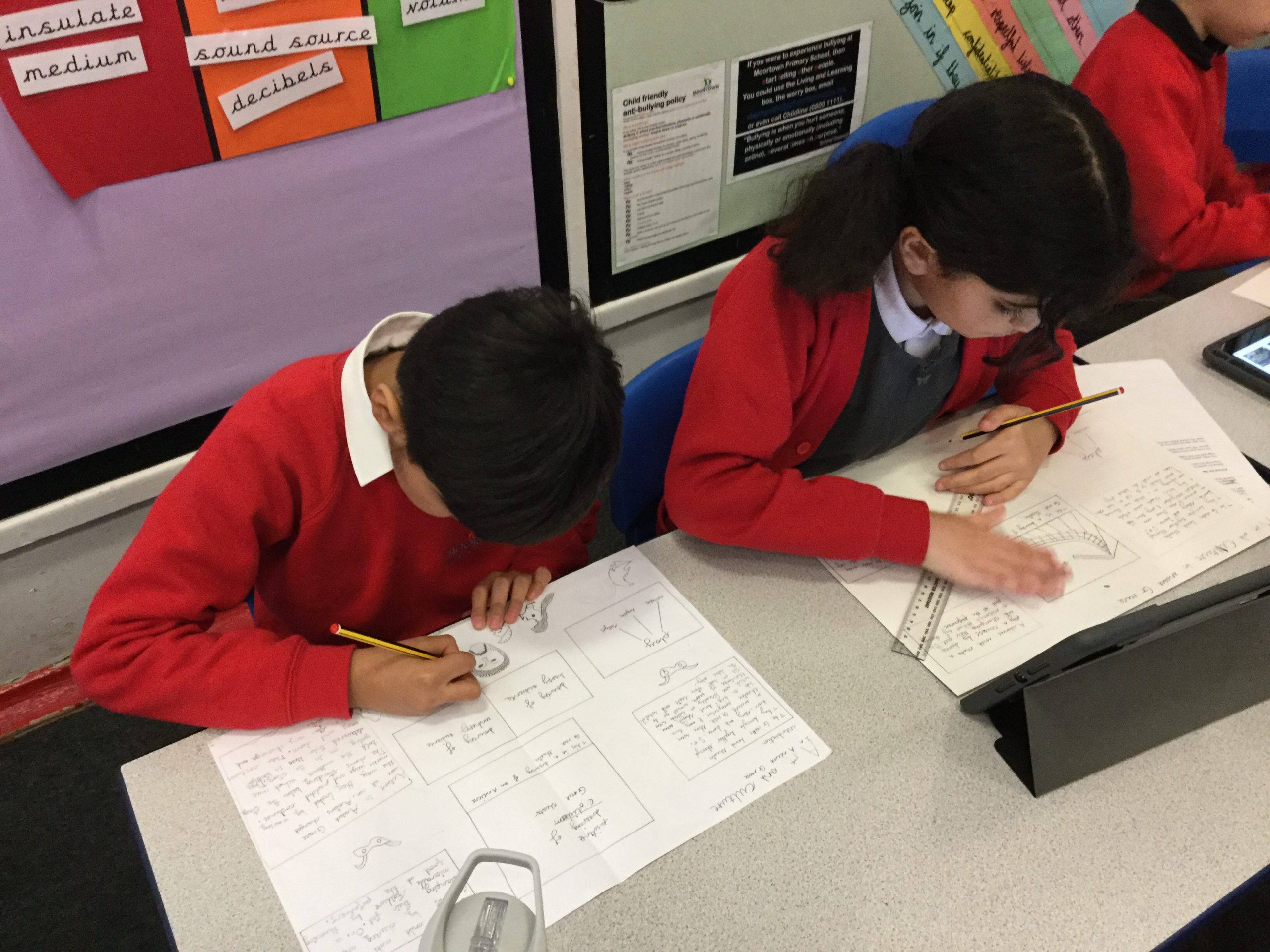
We’ve been creating mini-project boards to show the lasting legacy that Ancient Greece has given us.

We have already learnt about how the Ancient Greeks have us democracy. In this learning, we’ve learnt about how they were pioneers in maths, science, philosophy, sport and theatre.

Working as a team has been a great way to work collaboratively, developing social skills. The children have also been creative in how they have presented their learning.

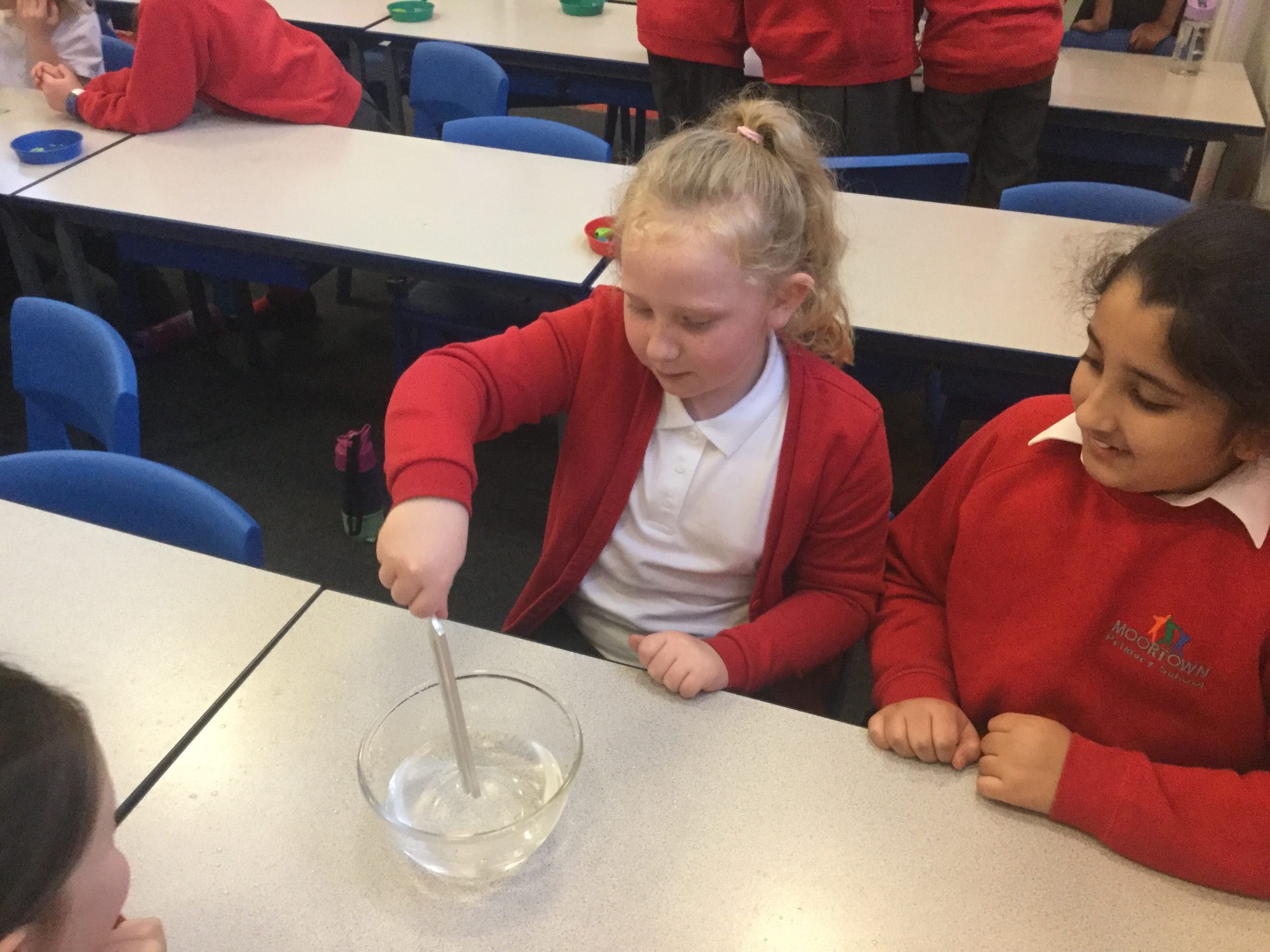
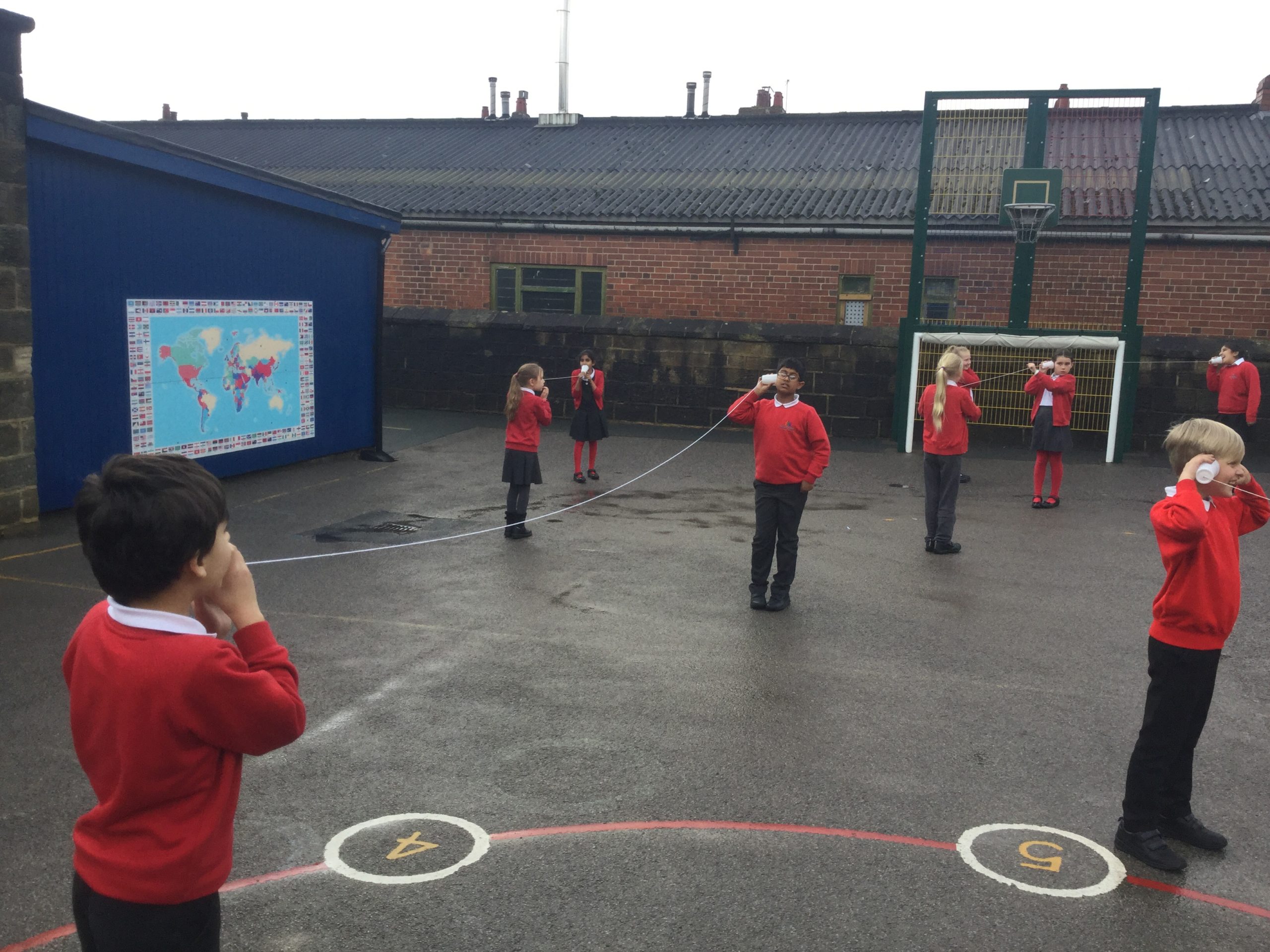
Science: sound travelling through a medium

This afternoon, we’ve been investigating the way that sound travels. We talked about how sound travels through different mediums.

Sound travels through the air into our ears.

Next, we observed how sound travels through water. We put a tuning fork and into a bowl of water and observed the sound waves rippling across the water from the tuning fork


After that, we investigated of sound travels trough a solid. We made string telephones and found that we could hear each other talking as sound travelled along the string. It even worked with really long string telephones!

Week beginning 07 December 2020

Hi everyone

We’re really missing you in school and we can’t wait to have you back. We hope you’re managing to stay happy, healthy and safe while you’re not with us here in school. You are still very much a part of our school community so please get in touch with us. You can email me at [email protected].

Here’s a short video from me introducing the week.

Maths

This week’s maths learning continues our unit on multiplication. Please use the following resources:

Lesson 1:          video    worksheet         answers

Lesson2:           video    worksheet         answers

Lesson 3:          video    worksheet         answers

Lesson 4:          video    worksheet         answers

Lesson 5:          arithmetic check

You don’t have to print the worksheet. Your child can write or draw their answers on paper. Your child’s learning will be most effective if you sit with them to pause the clip and check / praise / support your child as the clip moves on.

Practise times tables on Times Table Rockstars, too. In Y4, we’re concentrating on the 7 times table. Email me if you need your child’s login and password details.

(Suggested time: 30 minutes of Maths and 15 minutes of Rockstars daily)

Spelling

Look on the homework page to find this week’s spellings. Your child should complete one task each day.

  • Day 1: Generate more words linked to the spelling pattern or ‘rule’. You could look out for the words in the book you’re reading at home, or any other text, like a website linked to our science topic of Living Things and their Habitat.
  • Day 2: Practise the spellings using two of the ideas in our Super Spelling Strategies guide. (Set yourself and others at home a challenge of using some of the words when you’re speaking, too!)
  • Day 3: Write separate sentences, each containing one of the spellings. (Don’t forget to show off really neat handwriting and make sure you sentence starts with a capital letter and ends with a full stop, exclamation mark (!) or question mark (?).
  • Day 4: Repeat Task 2 or 3.
  • Day 5: Get an adult at home to test you on your spellings. Practise any you spell incorrectly – you could write them out carefully until you’re sure.

(Suggested time: 15-20 minutes daily)


Reading fluency

Click here for this week’s fluency text to build up fluency skills. In school, we generally follow this sequence:

  • Day 1: Read the text aloud with your child listening. Read it clearly and slowly, pointing to each word as you read. Have a chat about any unfamiliar words.
  • Day 2: Read aloud each sentence (a full short sentence or part of a longer sentence), and have your child read it back to you. Do this ‘echo reading’ for the whole text.
  • Day 3: Read the text and talk about the effect of the punctuation on how you read it – pauses for full stops and expression for exclamations (!) or questions (?). Your child reads the text aloud.
  • Day 4: Read together with expression (just like you practised on Day 3).
  • Day 5: Your child reads independently and fluently.

(Suggested time: 15 minutes daily)

Reading comprehension

Day 1: Click here for this week’s RIC text and questions. It’s about a poem called The dragon who ate our school.

RIC stands for:

  • Retrieve: finding information in a text
  • Interpret: using clues in the text to unlock information
  • Choice: thinking about the author’s choice of words, techniques or organisation that make the text interesting and enjoyable to read

Day 2: Agree with your child three words from any text they’ve read which they’re less familiar with. Your child should find out what they mean (eg by checking an online dictionary or simply discuss with you) and how to use them in sentences (both when speaking and when writing). Challenge your child to write a sentence with each word in, or to drop the words into conversations at home.

Day 3: Read this article from First News, a newspaper for children, and complete the activity.

Day 4: Read your fluency or RIC text again. We’re also reading another Greek myth called Orpheus and Eurydice. Click here if you’d like to read this. Next, do one of the following:

  • Your child could list at least ten facts they’ve read in the text. (If it’s a fiction text (a story), then the facts would be based on the story, like ‘Harry Potter picked up his broomstick’, rather than actual facts from the real world.)
  • Your child could create questions and answers for what they’ve read. (For example, it could be a TV or radio interview based on what they’ve read.)
  • Your child could create their own ‘RIC’ questions.
  • Your child could draw and label a character or setting that they’ve read about.

Day 5: Book Club. Once a week, we have a relaxing lesson where we sit and read quietly, often with an adult. At home, we’d like you to read your favourite book or text, too. If possible, discuss the book with an adult, talking about some or all of the sections of this sheet.

(Suggested time: 30 minutes daily)

Writing

This week, we’re focusing on apostrophes and their use. Click below for two lessons from Oak National Academy:

Lesson 1

Lesson 2

(Suggested time: 30 minutes daily)

Topic

Click here for our next Ancient Greek history lesson. It’s an Oak Academy lesson about the achievements of the Ancient Greeks.

Science

Click here for the sixth Oak Academy lesson on sound.

Also, there’s a RIC about sound here.

(Suggested time: 45 minutes)


Week beginning 07 December 2020

Hi everyone

We’re really missing you in school and we can’t wait to have you back. We hope you’re managing to stay happy, healthy and safe while you’re not with us here in school. You are still very much a part of our school community so please get in touch with us. You can email me at [email protected] or Mr Wain at [email protected].

Here’s a short video from me introducing the week.

Maths

This week’s maths learning continues our unit on multiplication. Please use the following resources:

Lesson 1:          video    worksheet         answers

Lesson2:           video    worksheet         answers

Lesson 3:          video    worksheet         answers

Lesson 4:          video    worksheet         answers

Lesson 5:          arithmetic check

You don’t have to print the worksheet. Your child can write or draw their answers on paper. Your child’s learning will be most effective if you sit with them to pause the clip and check / praise / support your child as the clip moves on.

Practise times tables on Times Table Rockstars, too. In Y4, we’re concentrating on the 7 times table. Email me if you need your child’s login and password details.

(Suggested time: 30 minutes of Maths and 15 minutes of Rockstars daily)

Spelling

Look on the homework page to find this week’s spellings. Your child should complete one task each day.

  • Day 1: Generate more words linked to the spelling pattern or ‘rule’. You could look out for the words in the book you’re reading at home, or any other text, like a website linked to our science topic of Living Things and their Habitat.
  • Day 2: Practise the spellings using two of the ideas in our Super Spelling Strategies guide. (Set yourself and others at home a challenge of using some of the words when you’re speaking, too!)
  • Day 3: Write separate sentences, each containing one of the spellings. (Don’t forget to show off really neat handwriting and make sure you sentence starts with a capital letter and ends with a full stop, exclamation mark (!) or question mark (?).
  • Day 4: Repeat Task 2 or 3.
  • Day 5: Get an adult at home to test you on your spellings. Practise any you spell incorrectly – you could write them out carefully until you’re sure.

(Suggested time: 15-20 minutes daily)


Reading fluency

Click here for this week’s fluency text to build up fluency skills. In school, we generally follow this sequence:

  • Day 1: Read the text aloud with your child listening. Read it clearly and slowly, pointing to each word as you read. Have a chat about any unfamiliar words.
  • Day 2: Read aloud each sentence (a full short sentence or part of a longer sentence), and have your child read it back to you. Do this ‘echo reading’ for the whole text.
  • Day 3: Read the text and talk about the effect of the punctuation on how you read it – pauses for full stops and expression for exclamations (!) or questions (?). Your child reads the text aloud.
  • Day 4: Read together with expression (just like you practised on Day 3).
  • Day 5: Your child reads independently and fluently.

(Suggested time: 15 minutes daily)

Reading comprehension

Day 1: Click here for this week’s RIC text and questions. It’s about a poem called The dragon who ate our school.

RIC stands for:

  • Retrieve: finding information in a text
  • Interpret: using clues in the text to unlock information
  • Choice: thinking about the author’s choice of words, techniques or organisation that make the text interesting and enjoyable to read

Day 2: Agree with your child three words from any text they’ve read which they’re less familiar with. Your child should find out what they mean (eg by checking an online dictionary or simply discuss with you) and how to use them in sentences (both when speaking and when writing). Challenge your child to write a sentence with each word in, or to drop the words into conversations at home.

Day 3: Read this article from First News, a newspaper for children, and complete the activity.

Day 4: Read your fluency or RIC text again. We’re also reading another Greek myth called Orpheus and Eurydice. Click here if you’d like to read this. Next, do one of the following:

  • Your child could list at least ten facts they’ve read in the text. (If it’s a fiction text (a story), then the facts would be based on the story, like ‘Harry Potter picked up his broomstick’, rather than actual facts from the real world.)
  • Your child could create questions and answers for what they’ve read. (For example, it could be a TV or radio interview based on what they’ve read.)
  • Your child could create their own ‘RIC’ questions.
  • Your child could draw and label a character or setting that they’ve read about.

Day 5: Book Club. Once a week, we have a relaxing lesson where we sit and read quietly, often with an adult. At home, we’d like you to read your favourite book or text, too. If possible, discuss the book with an adult, talking about some or all of the sections of this sheet.

(Suggested time: 30 minutes daily)

Writing

This week, we’re focusing on apostrophes and their use. Click below for two lessons from Oak National Academy:

Lesson 1

Lesson 2

(Suggested time: 30 minutes daily)

Topic

Click here for our next Ancient Greek history lesson. It’s an Oak Academy lesson about the achievements of the Ancient Greeks.

Science

Click here for the sixth Oak Academy lesson on sound.

Also, there’s a RIC about sound here.

(Suggested time: 45 minutes)
 

Living and Learning: relationships

In our Living and Learning lesson this week, we were talking about our relationships with family and friends and what makes them special.

We also discussed how it can be difficult when something in our lives changes meaning that we can’t see loved ones as regularly. This resonated with the class as, due to lock down and tiers, we’re all being affected by this.

We talked about and made a list of different things we can do to show family and friends that we care about them and are thinking about them even though we may not be able to see them. We hope you find them useful!

How to show loved ones we’re still thinking of them: 

  • Send a letter
  • Video call: find and tell some jokes, play a game (like battleships, noughts and crosses, etc), read a book, test them on Ancient Greece, do some drawing, make some something together (bake, crafts, etc), show your school homework and talk about it, eat together, share your screen and look at some old photos, get them to test you on times tables or spellings, get active together, play a game (killer 12, etc)
  • Send a funny video
  • Text or email
  • Send a gift – something you’ve baked or made
  • Draw a picture and send it
  • Write a poem or story
  • Make a quiz or do a Kahoot

04 December 2020

In spelling lessons next week, we’ll be recapping and practising homophones. These are words that sound the same but have a different spelling and meaning. For example: their, there, they’re

We’ve had some of these words already this year but children are still getting mixed up when using them in their writing. It’s really important that children are not just learning to spell the words but practising using them correctly. Click here for a homophone guide (please challenge your child with other homophones if they are really solid on the ones given). There’s also a worksheet to complete (please practise using sentences like this rather than just writing out the words).

This week’s homophones to practise:

their of
there off
they’re to
your two
you’re too

Week beginning 30 November 2020

Hi everyone

We’re really missing you in school and we can’t wait to have you back. We hope you’re managing to stay happy, healthy and safe while you’re not with us here in school. You are still very much a part of our school community so please get in touch with us. You can email me at [email protected].

Here’s a short video from me introducing the week.

Maths

This week’s maths learning continues our unit on multiplication. Please use the following resources:

Lesson 1:          video    worksheet         answers

Lesson2:           video    worksheet         answers

Lesson 3:          video    worksheet         answers

Lesson 4:          video    worksheet         answers

Lesson 5:          arithmetic check

You don’t have to print the worksheet. Your child can write or draw their answers on paper. Your child’s learning will be most effective if you sit with them to pause the clip and check / praise / support your child as the clip moves on.

Practise times tables on Times Table Rockstars, too. In Y4, we’re concentrating on the 7 times table. Email me if you need your child’s login and password details.

(Suggested time: 30 minutes of Maths and 15 minutes of Rockstars daily)

Spelling

Look on the homework page to find this week’s spellings. Your child should complete one task each day.

  • Day 1: Generate more words linked to the spelling pattern or ‘rule’. You could look out for the words in the book you’re reading at home, or any other text, like a website linked to our science topic of Living Things and their Habitat.
  • Day 2: Practise the spellings using two of the ideas in our Super Spelling Strategies guide. (Set yourself and others at home a challenge of using some of the words when you’re speaking, too!)
  • Day 3: Write separate sentences, each containing one of the spellings. (Don’t forget to show off really neat handwriting and make sure you sentence starts with a capital letter and ends with a full stop, exclamation mark (!) or question mark (?).
  • Day 4: Repeat Task 2 or 3.
  • Day 5: Get an adult at home to test you on your spellings. Practise any you spell incorrectly – you could write them out carefully until you’re sure.

(Suggested time: 15-20 minutes daily)

 Reading fluency

Click here for this week’s fluency text to build up fluency skills. In school, we generally follow this sequence:

  • Day 1: Read the text aloud with your child listening. Read it clearly and slowly, pointing to each word as you read. Have a chat about any unfamiliar words.
  • Day 2: Read aloud each sentence (a full short sentence or part of a longer sentence), and have your child read it back to you. Do this ‘echo reading’ for the whole text.
  • Day 3: Read the text and talk about the effect of the punctuation on how you read it – pauses for full stops and expression for exclamations (!) or questions (?). Your child reads the text aloud.
  • Day 4: Read together with expression (just like you practised on Day 3).
  • Day 5: Your child reads independently and fluently.

(Suggested time: 15 minutes daily)

Reading comprehension

Day 1: Click here for this week’s RIC text and questions. It’s a short section of text about the Olympic Games and has some retrieval questions to answer.

RIC stands for:

  • Retrieve: finding information in a text
  • Interpret: using clues in the text to unlock information
  • Choice: thinking about the author’s choice of words, techniques or organisation that make the text interesting and enjoyable to read

Day 2: Agree with your child three words from any text they’ve read which they’re less familiar with. Your child should find out what they mean (eg by checking an online dictionary or simply discuss with you) and how to use them in sentences (both when speaking and when writing). Challenge your child to write a sentence with each word in, or to drop the words into conversations at home.

Day 3: Read this article from First News, a newspaper for children, and complete the activity.

Day 4: Read your fluency or RIC text again. We’re also reading another Greek myth called Orpheus and Eurydice. Click here if you’d like to read this. Next, do one of the following:

  • Your child could list at least ten facts they’ve read in the text. (If it’s a fiction text (a story), then the facts would be based on the story, like ‘Harry Potter picked up his broomstick’, rather than actual facts from the real world.)
  • Your child could create questions and answers for what they’ve read. (For example, it could be a TV or radio interview based on what they’ve read.)
  • Your child could create their own ‘RIC’ questions.
  • Your child could draw and label a character or setting that they’ve read about.

Day 5: Book Club. Once a week, we have a relaxing lesson where we sit and read quietly, often with an adult. At home, we’d like you to read your favourite book or text, too. If possible, discuss the book with an adult, talking about some or all of the sections of this sheet.

(Suggested time: 30 minutes daily)

Writing

This week, we’re focusing on apostrophes and their use. Click below for two lessons from Oak National Academy:

Lesson 1

Lesson 2

(Suggested time: 30 minutes daily)

Topic

Click here for our next Ancient Greek history lesson. It’s an Oak Academy lesson about Ancient Greek philosophers.

Science

Click here for the fifth Oak Academy lesson on sound.

(Suggested time: 45 minutes)


Week beginning 30 November 2020

Hi everyone

We’re really missing you in school and we can’t wait to have you back. We hope you’re managing to stay happy, healthy and safe while you’re not with us here in school. You are still very much a part of our school community so please get in touch with us. You can email me [email protected] or Mr Wain [email protected].

Here’s a short video from me introducing the week.

Maths

This week’s maths learning continues our unit on addition and subtraction. Please use the following resources:

Lesson 1:          video    worksheet         answers

Lesson2:           video    worksheet         answers

Lesson 3:          video    worksheet         answers

Lesson 4:          video    worksheet         answers

Lesson 5:          arithmetic check

You don’t have to print the worksheet. Your child can write or draw their answers on paper. Your child’s learning will be most effective if you sit with them to pause the clip and check / praise / support your child as the clip moves on.

Practise times tables on Times Table Rockstars, too. Email me if you need your child’s login and password details.

(Suggested time: 30 minutes of Maths and 15 minutes of Rockstars daily)

Spelling

Look on the homework page to find this week’s spellings. Your child should complete one task each day.

  • Day 1: Generate more words linked to the spelling pattern or ‘rule’. You could look out for the words in the book you’re reading at home, or any other text, like a website linked to our science topic of Living Things and their Habitat.
  • Day 2: Practise the spellings using two of the ideas in our Super Spelling Strategies guide. (Set yourself and others at home a challenge of using some of the words when you’re speaking, too!)
  • Day 3: Write separate sentences, each containing one of the spellings. (Don’t forget to show off really neat handwriting and make sure you sentence starts with a capital letter and ends with a full stop, exclamation mark (!) or question mark (?).
  • Day 4: Repeat Task 2 or 3.
  • Day 5: Get an adult at home to test you on your spellings. Practise any you spell incorrectly – you could write them out carefully until you’re sure.

(Suggested time: 15-20 minutes daily)


Reading fluency

Click here for this week’s fluency text to build up fluency skills. In school, we generally follow this sequence:

  • Day 1: Read the text aloud with your child listening. Read it clearly and slowly, pointing to each word as you read. Have a chat about any unfamiliar words.
  • Day 2: Read aloud each sentence (a full short sentence or part of a longer sentence), and have your child read it back to you. Do this ‘echo reading’ for the whole text.
  • Day 3: Read the text and talk about the effect of the punctuation on how you read it – pauses for full stops and expression for exclamations (!) or questions (?). Your child reads the text aloud.
  • Day 4: Read together with expression (just like you practised on Day 3).
  • Day 5: Your child reads independently and fluently.

(Suggested time: 15 minutes daily)

Reading comprehension

Day 1: Click here for this week’s RIC text and questions. It’s a short section of text about the Olympic Games and has some retrieval questions to answer.

RIC stands for:

  • Retrieve: finding information in a text
  • Interpret: using clues in the text to unlock information
  • Choice: thinking about the author’s choice of words, techniques or organisation that make the text interesting and enjoyable to read

Day 2: Agree with your child three words from any text they’ve read which they’re less familiar with. Your child should find out what they mean (eg by checking an online dictionary or simply discuss with you) and how to use them in sentences (both when speaking and when writing). Challenge your child to write a sentence with each word in, or to drop the words into conversations at home.

Day 3: Read this article from First News, a newspaper for children, and complete the activity.

Day 4: Read your fluency or RIC text again. We’re also reading another Greek myth called Orpheus and Eurydice. Click here if you’d like to read this. Next, do one of the following:

  • Your child could list at least ten facts they’ve read in the text. (If it’s a fiction text (a story), then the facts would be based on the story, like ‘Harry Potter picked up his broomstick’, rather than actual facts from the real world.)
  • Your child could create questions and answers for what they’ve read. (For example, it could be a TV or radio interview based on what they’ve read.)
  • Your child could create their own ‘RIC’ questions.
  • Your child could draw and label a character or setting that they’ve read about.

Day 5: Book Club. Once a week, we have a relaxing lesson where we sit and read quietly, often with an adult. At home, we’d like you to read your favourite book or text, too. If possible, discuss the book with an adult, talking about some or all of the sections of this sheet.

(Suggested time: 30 minutes daily)

Writing

This week, we’re focusing on apostrophes and their use. Click below for two lessons from Oak National Academy:

Lesson 1

Lesson 2

(Suggested time: 30 minutes daily)

Topic

Click here for our next Ancient Greek history lesson. It’s an Oak Academy lesson about Ancient Greek philosophers.

Science

Click here for the fifth Oak Academy lesson on sound.

(Suggested time: 45 minutes)

History: interpretations of the past

In our history learning today, we used our knowledge about the Athenian and Spartan city states to decide which one was the best!

We split into two teams to debate and within our teams split into little sub-groups responsible for debating one aspect of life in the city states.

The class did a great job at debating. They took turns well, made pertinent points, responded to opposing points and summarised. They also used openers to introduce their points and were respectful debaters throughout!

So, who was the best city state? Well, the debate was close. Athens won the categories on government and economy but Sparta won education and role of women. Tomorrow, we’ll make final points and I’ll make a decision on the winner!