We used colour mixing to find out about primary and secondary colours.


We used colour mixing to find out about primary and secondary colours.
This week, we’ll kick off with two thank you messages…
Thank you to so many of you who responded to Monday’s message encouraging you to wear a face mask when dropping off and collecting your child from school – it was really good to see the positive response to this so quickly. We’ve tried as best we can to manage the movement of people in and out of school – we’ve got staggered start and end times and one-way systems for example. Even so, there are still times when there are lots of adults nearby. Wearing a mask can help protect the wearer, and others around. We encourage you to wear a mask when you drop your child off at school and when you collect them at the end of the school day.
Thank you for helping to keep our attendance so high. For the month of September, our attendance rate was 97.7%. The figures don’t include children absent due to the virus (the Department for Education doesn’t require this); nevertheless, this figure is still really encouraging – please keep it up.
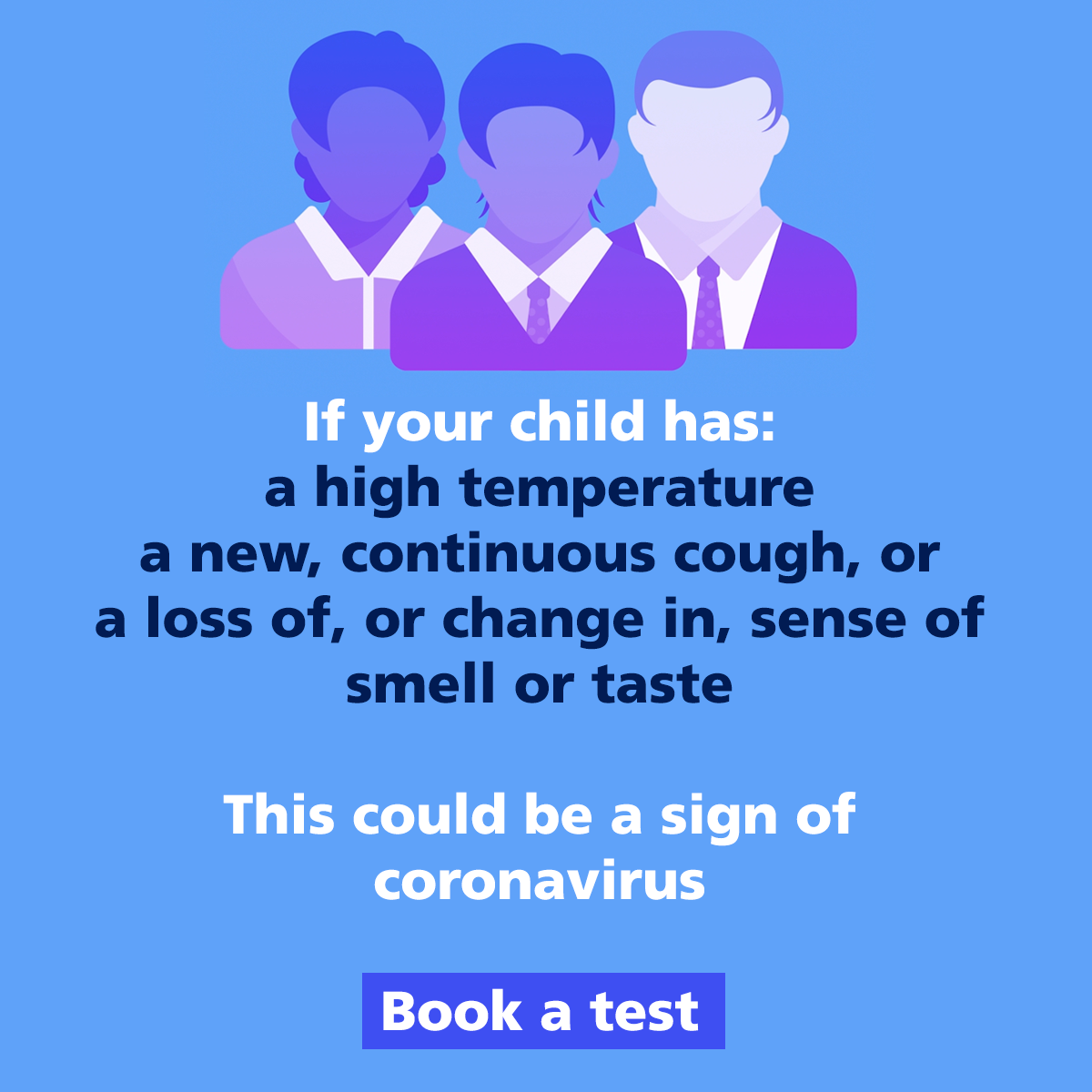
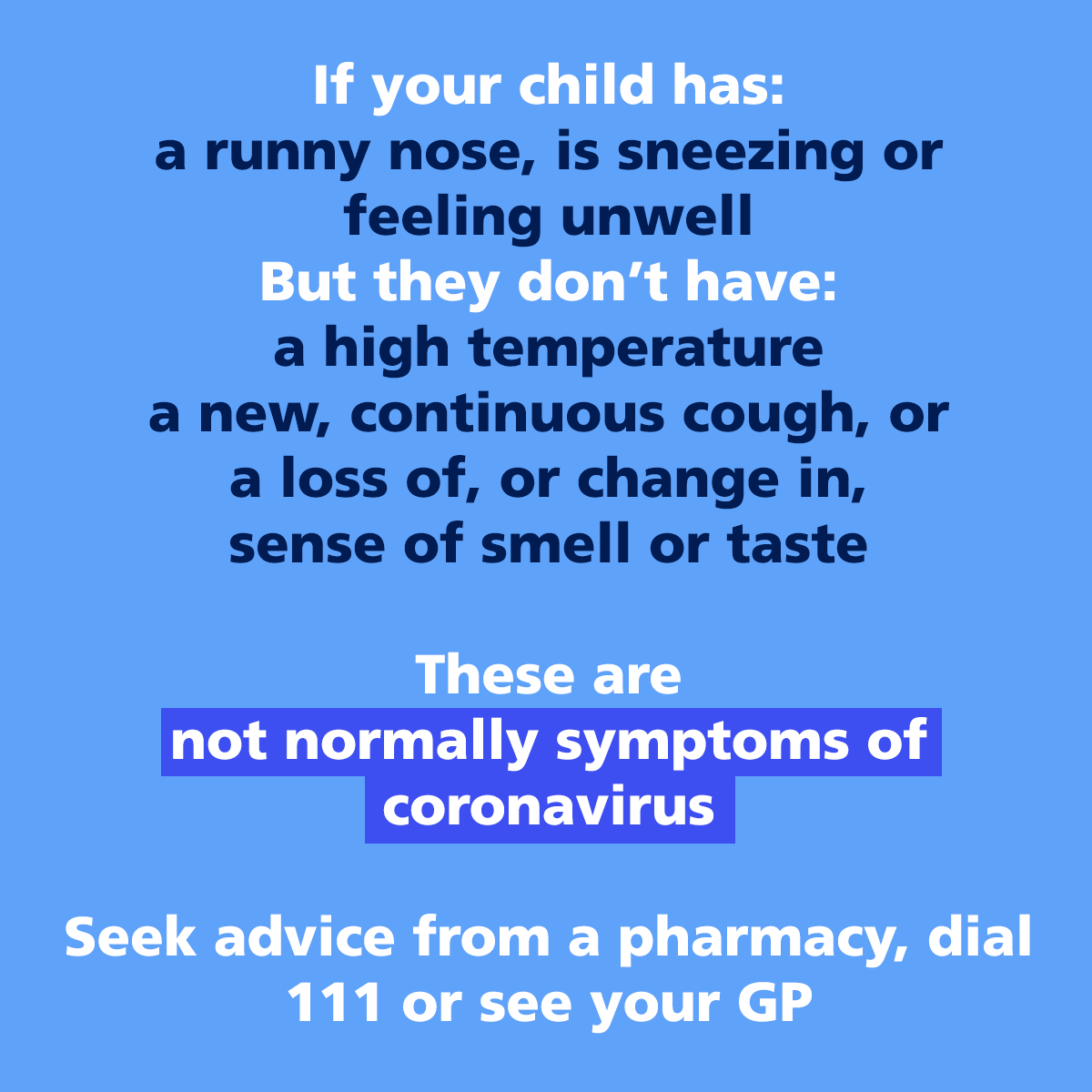
Talking of attendance… There’s so much information (and misinformation!) all the time about whether your child should be attending school. The government has produced this letter about when you should book a test for your child.
In addition, here’s a guide from Leeds which might help to support you when deciding if your child should be at school or not:
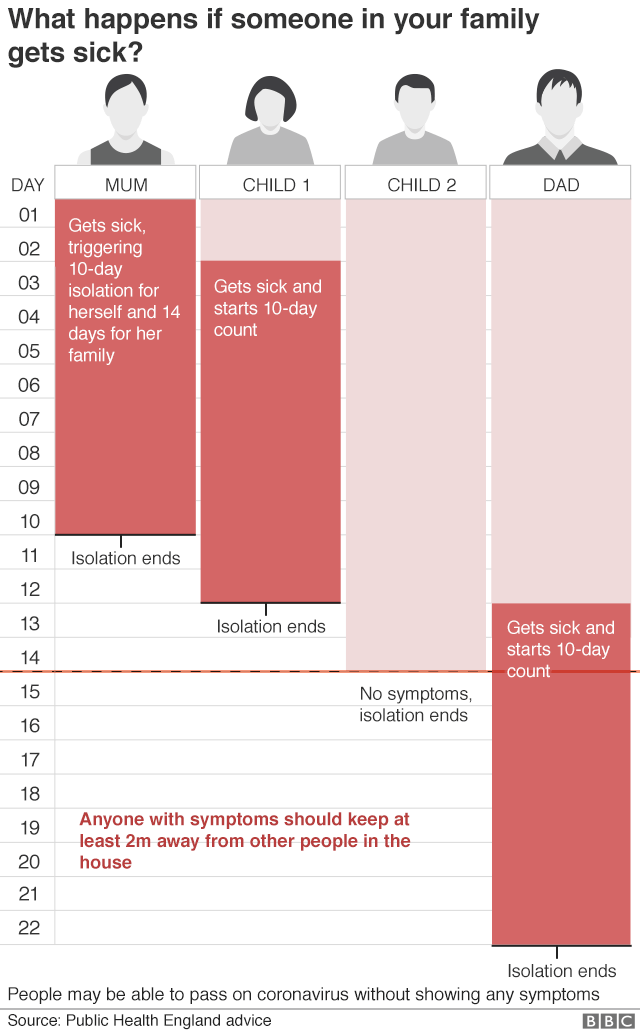
 And linked to attendance… This BBC article about self-isolation is worth a read. It helps to explain self-isolation. The last section is especially useful – it explains the rules for schools:
If someone in a school tests positive, they must be sent home to self-isolate for 14 days. The school will then contact their local public health protection team, who will advise on who else should be sent home. Anyone who has been in close contact with the person testing positive, will be advised to self-isolate for 14 days from their last date of contact.
This morning was the first of the autumn/winter season when I had some frost on my car windscreen. It was also the first morning standing at the gate that I noticed water vapour from my breath (read this article with your child about ‘seeing’ your breath on a cold morning).
It’s that second observation that made me think even more about the importance of wearing a mask, even when outside if there are other people nearby.
The water vapour from my breath seemed to spread quite a distance. If that’s the case, the virus might also spread quite a distance as we breathe.
I’m not making any scientific conclusions about coronavirus here. What I am doing is encouraging you to consider wearing a mask as you drop off and collect your child.
At school, we’ve tried as best we can to create some one-way systems. Even so, there are still times when there are lots of adults nearby. Wearing a mask can help protect the wearer, and others around.
Maths
This week’s maths learning is linked to number and place value.
These five video lessons will roughly match the teaching and learning happening in class:
Lesson 1: video, worksheet and answers
Lesson 2: video, worksheet and answers
Lesson 3 : video, worksheet and answers
Lesson 4: video, worksheet and answers
Lesson 5: video, worksheet and answers
You don’t have to print the worksheet. Your child can write or draw their answers on paper. Your child’s learning will be most effective if you sit with them to pause the clip and check / praise / support your child as the clip moves on.
Spelling
Look on the homework page to find this week’s spellings. Your child should complete one task each day.
(Suggested time: 15-20 minutes daily)
Reading fluency
This is the text we’ll read in class to to build up fluency skills this week.
In school, we generally follow this sequence:
(Suggested time: 15 minutes daily)
Reading comprehension
We will be using this RIC lesson in class. RIC stands for:
Day 2: Agree with your child three words from any text they’ve read which they’re less familiar with. Your child should find out what they mean (eg by checking an online dictionary or simply discuss with you) and how to use them in sentences (both when speaking and when writing). Challenge your child to write a sentence with each word in, or to drop the words into conversations at home.
Day 3: This video lesson from BBC Bitesize links to the phonics sound ‘ai’. Watch the video and click on the arrow to complete the tasks.
Day 4: Read your fluency or RIC text again. Next, do following:
Day 5: Book Club. Once a week, we have a relaxing lesson where we sit and read quietly, often with an adult. At home, we’d like you to read your favourite book or text, too. If possible, discuss the book with an adult, talking about some or all of the sections of this grid.
(Suggested time: 30 minutes daily)
Writing
Activity 1:
This video lesson about ‘recounts’ from Oak Academy links to some of the learning that we’ve been doing in class recently.
Activity 2:
Write three sentences about a picture or photograph you choose. Your child should remember capital letters, finger spaces, joining up letters if they can (use our handwriting guide to help), and a full stop, exclamation mark (!) or question mark (?) to end the sentence.
Topic
Get arty with topic learning at home. Watch this video from BBC Bitesize about the life of the famous painter, Vincent Van Gogh. Then have a go at recreating one of his famous pieces of art.


(Suggested time: 30-45 minutes)
Science
We’re continuing our learning about habitats and living things. This Oak National Academy lesson will really help to support learning at home. Once your child has watched the video, try the quiz that follows.
(Suggested time: 30-45 minutes)
Maths
This week’s maths learning is linked to number and place value.
These five video lessons will roughly match the teaching and learning happening in class:
Lesson 1: video, worksheet, answers
Lesson 2: video, worksheet, answers
Lesson 3: video, worksheet, answers
Lesson 4: video, worksheets, answers
Lesson 5: video, worksheets, answers
You don’t have to print the worksheet. Your child can write or draw their answers on paper. Your child’s learning will be most effective if you sit with them to pause the clip and check / praise / support your child as the clip moves on.
Spelling
Look on the homework page to find this week’s spellings. Your child should complete one task each day.
(Suggested time: 15-20 minutes daily)
Reading fluency
This is the text we’ll read in class to to build up fluency skills this week.
In school, we generally follow this sequence:
(Suggested time: 15 minutes daily)
Reading comprehension
We will be using this RIC lesson in class. RIC stands for:
Day 2: Agree with your child three words from any text they’ve read which they’re less familiar with. Your child should find out what they mean (eg by checking an online dictionary or simply discuss with you) and how to use them in sentences (both when speaking and when writing). Challenge your child to write a sentence with each word in, or to drop the words into conversations at home.
Day 3: This video lesson from BBC Bitesize links to the phonics sound ‘ai’. Watch the video and click on the arrow to complete the tasks.
Day 4: Read your fluency or RIC text again. Next, do following:
Day 5: Book Club. Once a week, we have a relaxing lesson where we sit and read quietly, often with an adult. At home, we’d like you to read your favourite book or text, too. If possible, discuss the book with an adult, talking about some or all of the sections of this grid.
(Suggested time: 30 minutes daily)
Writing
Activity 1
This video lesson about capital letters and full stops from BBC Bitesize links to some of the learning that we’ve been doing in class recently. Watch the video and complete the tasks.
Activity 2
Finger strengthening activities support the development of fine motor skills needed for writing.
Challenge your child to have a go at some of these activities: practise tying shoe laces, fasten and unfasten buttons, attach nuts and bolts, separate dried pasta and dried peas (or similar) into two separate piles, do some mindfulness colouring in, do a jigsaw, cut up drinking straws and thread them on to a shoe lace, attach clothes pegs (the squeezable type) to a shoe box or similar, use a paint brush and water to make pictures or words on a wall, chalk words or pictures on the ground, make a Lego model…
(Suggested time: 30 minutes daily)
Topic
Get arty with topic learning at home. Watch this video from BBC Bitesize about the life of the famous painter, Vincent Van Gogh. Then have a go at recreating one of his famous pieces of art.
(Suggested time: 30-45 minutes)
Science
We’re continuing our learning about habitats and living things. This Oak National Academy lesson will really help to support learning at home. Once your child has watched the video, try the quiz that follows.
(Suggested time: 30-45 minutes)
The homework this week is Talk Time.
‘I can talk about my favourite book.’
For this homework, I’d like you and your child to talk about their favourite book. I’d love to know what their favourite book is and what they like most about it.
Please email me a photo of your child holding their book to [email protected] before Thursday 01 October. The children can talk about it during our homework review session
This week, all the spellings contain a soft c. The letter “c” has two sounds, hard “c” and soft “c”. The hard sound of “c” occurs most often. (cat)
When “c” is followed by (a, o, u) it is sounded as “k” (hard c).
When “c” is followed by (e, i, y) it is sounded as “s” (soft c).
When the Government planned their guidance for the full return for schools in September, it was on the basis that Covid-19 would be contained effectively, with their Test, Track and Trace system up and running effectively. Unfortunately, that’s not the case.
Schools across the country are having to close bubbles far earlier than had been anticipated. This week, the BBC news site reported that ‘The number of schools in England sending home groups of pupils because of Covid-19 incidents has quadrupled in a week’. We’ve been fortunate enough not to have to do this yet, but I suspect it may only be a matter of time before we do. (In fact, the National Schools Commissioner predicted yesterday that partial closures ‘will continue until we have a vaccine’.)
Just as important are the numbers of individual children who are staying at home to self-isolate. If the testing service was working better, this wouldn’t be too much of a problem, but sadly we’re seeing children absent for four or more days while they wait for test results – all negative so far, thankfully, but the wait is just too long. That means we’re having to rush ahead with home learning provision.
Our new home learning page sets out learning for the week ahead. New content will be published by 08.30 on Mondays. The teacher isn’t available to prepare recorded lessons because they have a class to teach in school, so we’re using a mix of learning activities that are linked to what’s happening in class:
Like you, we’re learning about the process as we go along. Things aren’t perfect but we’re trying hard to get things right as quickly as we can.
A free school meal while self-isolating
Your child is entitled to free school meals for two circumstances:
In either situation, your child can have a free ‘grab bag’ lunch provided whilst they’re isolating at home – you just need to make sure you can collect the lunch from school. Please let us know if you want to do this.
More guidance about Covid-19
Public Health England has produced a letter for parents which explains when a person requires a coronavirus test and what the symptoms of coronavirus are. The intention of the letter is to help prevent children being taken out of school unnecessarily and answer some of the questions parents may have around testing.
Last week, we provided you with this information already: this guide sets out nine different scenarios if your child, or someone in the household, has symptoms of Covid-19. The guide tells you what you need to do and when your child should come back to school.
This afternoon, we’ve been painting British garden birds with watercolour paint. The concentration was impressive and the artwork was excellent!


Maths
This week’s maths learning is linked to place value and counting.
Year 1 children: These five video lessons will roughly match the teaching and learning happening in class. The Y1 worksheets and answers are here.
Year 2 children: These five video lessons will roughly match the teaching and learning happening in class. The Y2 worksheets and answers are here.
You don’t have to print the worksheet. Your child can write or draw their answers on paper. Your child’s learning will be most effective if you sit with them to pause the clip and check / praise / support your child as the clip moves on.
Year 2s can practise times tables on Times Table Rockstars, too. Email the class teacher if you need your child’s login and password details.
(Suggested time: 30 minutes of Maths and 15 minutes of Rockstars daily)
Spelling
Look on the homework page to find this week’s spellings. Your child should complete one task each day.
(Suggested time: 15-20 minutes daily)
Reading fluency
Use this text to build up fluency skills.

In school, we generally follow this sequence:
(Suggested time: 15 minutes daily)
Reading comprehension and phonics
Day 1: Use this ‘RIC’ text in class to practise comprehension skills. RIC stands for:
Day 2: Agree with your child three words from any text they’ve read which they’re less familiar with. Your child should find out what they mean (eg by checking an online dictionary or simply discuss with you) and how to use them in sentences (both when speaking and when writing). Challenge your child to write a sentence with each word in, or to drop the words into conversations at home.
Day 3: This video lesson from BBC Bitesize links to the phonics sound ‘ch’. Watch the video and complete the activities.
Day 4: Go on a sound hunt around your house and find as many things as you can that contain the phonics sound ‘ch’. Write a list of all the things you find. Challenge : Write sentences containing some of the words.
Day 5: Book Club. Once a week, we have a relaxing lesson where we sit and read quietly, often with an adult. You can read the books you take home from school or some of your own books.
(Suggested time: 30 minutes daily)
Writing
Activity 1:
Year 1 children: Talk to your child about a picture or photograph you choose. Write three words or phrases to label different things in the picture (eg ‘a car’ or ‘a red car’). Your child should aim to spell in a sensible way and use finger spaces between the words, joining up letters if they can (use our handwriting guide to help).
Year 2 children: Write three sentences about a picture or photograph you choose. Your child should remember capital letters, finger spaces, joining up letters if they can (use our handwriting guide to help), and a full stop, exclamation mark (!) or question mark (?) to end the sentence.
Activity 2:
Finger strengthening activities support the development of fine motor skills needed for writing.
Challenge your child to have a go at 3 or more of these activities: practise tying shoe laces, fasten and unfasten buttons, attach nuts and bolts, separate dried pasta and dried peas (or similar) into two separate piles, do some mindfulness colouring in, do a jigsaw, cut up drinking straws and thread them on to a shoe lace, attach clothes pegs (the squeezable type) to a shoe box or similar, use a paint brush and water to make pictures or words on a wall, chalk words or pictures on the ground, make a Lego model.
(Suggested time: 30 minutes daily)
Topic
Get arty with topic learning at home. This video lesson from BBC Bitesize will really help to support learning at home. After watching the video, have a go at making your own piece of art using things you find in your house or garden.
(Suggested time: 30-45 minutes)
Science
We’re learning about habitats. This BBC Bitesize lesson will really help to support learning at home. Go on a habitat hunt in your house or garden and identify the animals or plants that live there.
(Suggested time: 30-45 minutes)