
Trip to the Yorkshire Museum
Year 3 and 4 visited York to go to the Yorkshire Museum and to see the flood defences (in action).
Yorkshire Museum had exhibitions that were perfect for us to link to our History and Science learning; Roman York and Mary Anning Rocks and Yorkshire’s Jurassic World!
Here’s some pictures of us exploring and learning about the artefacts.
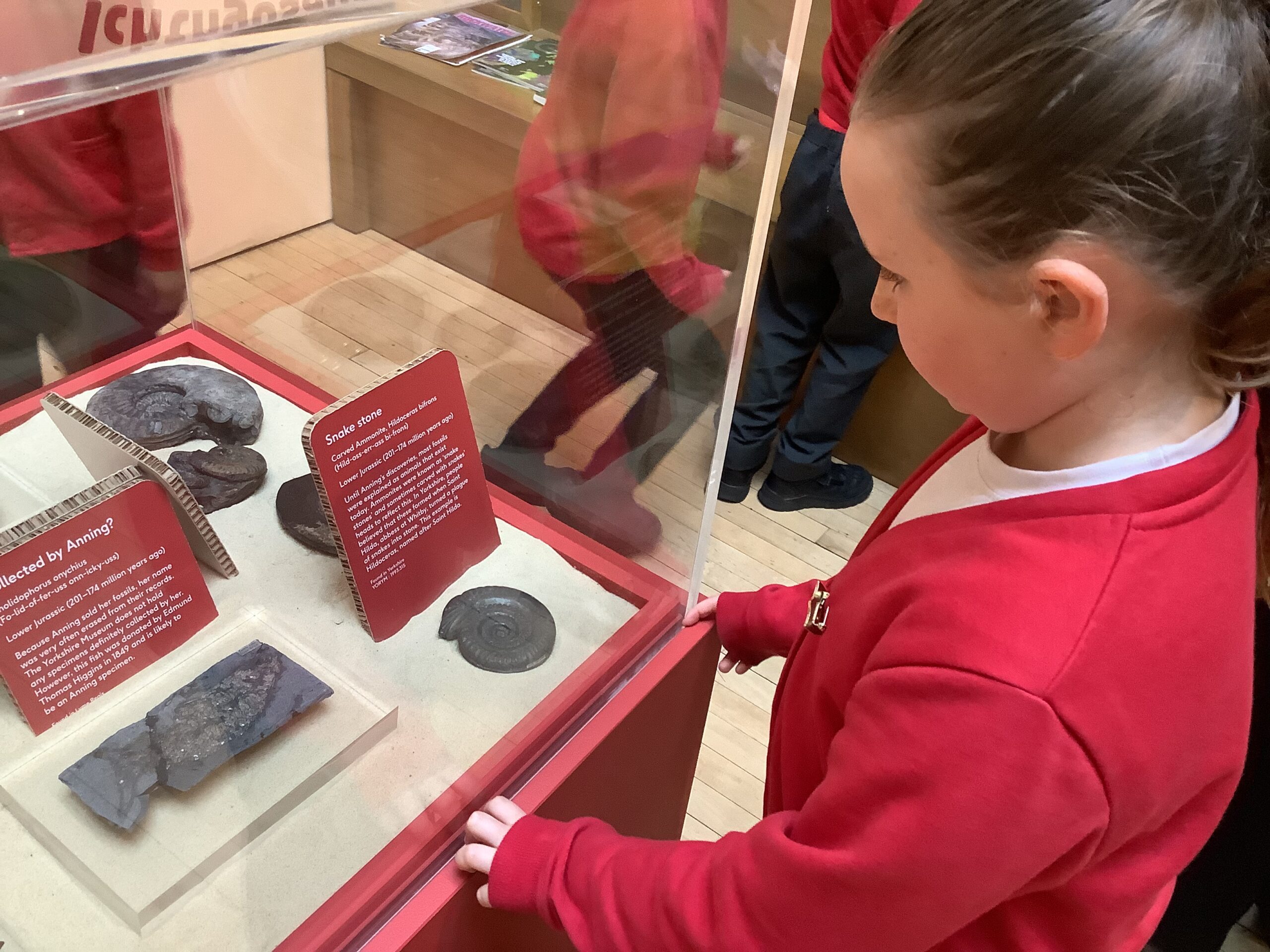
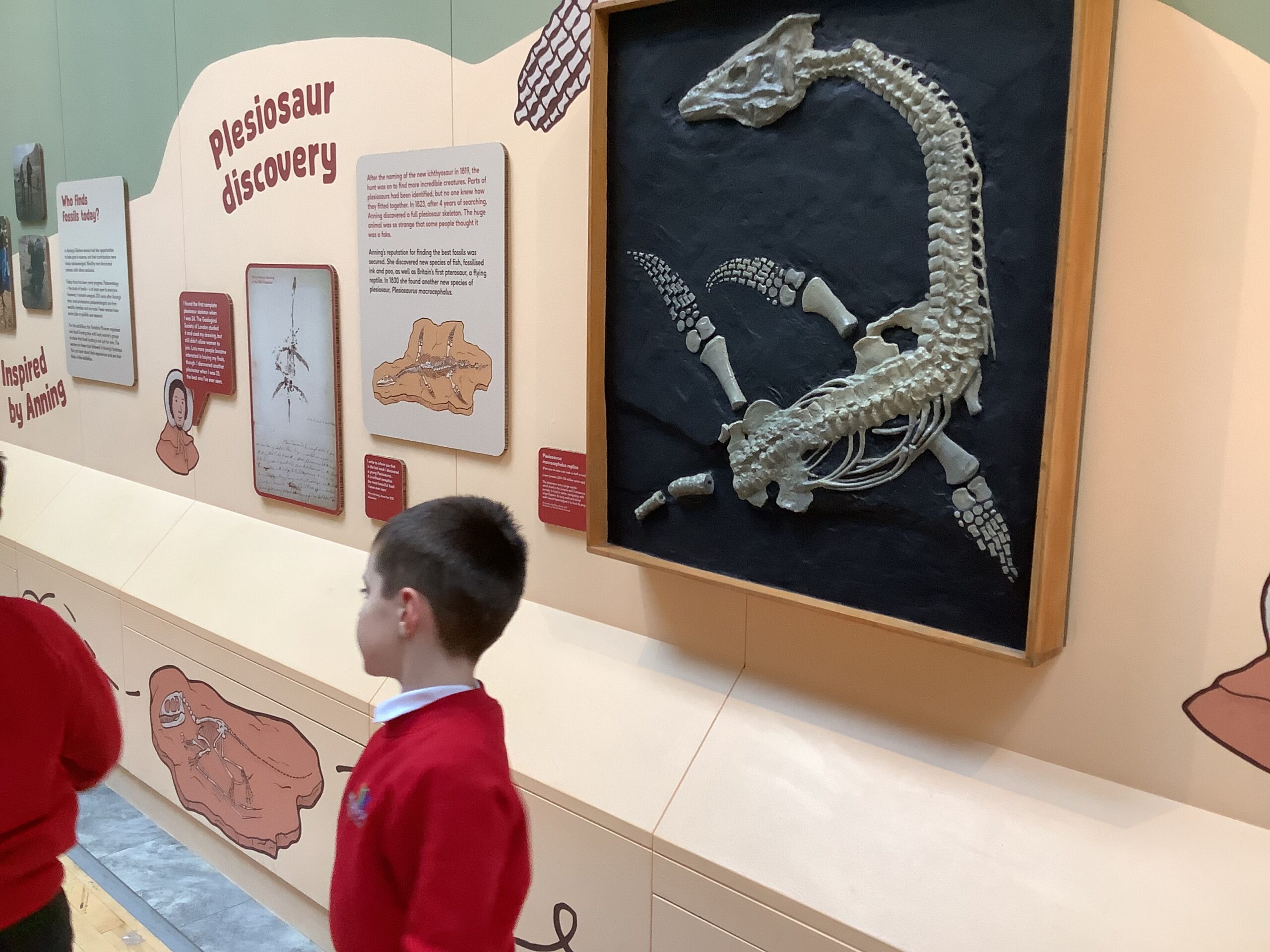
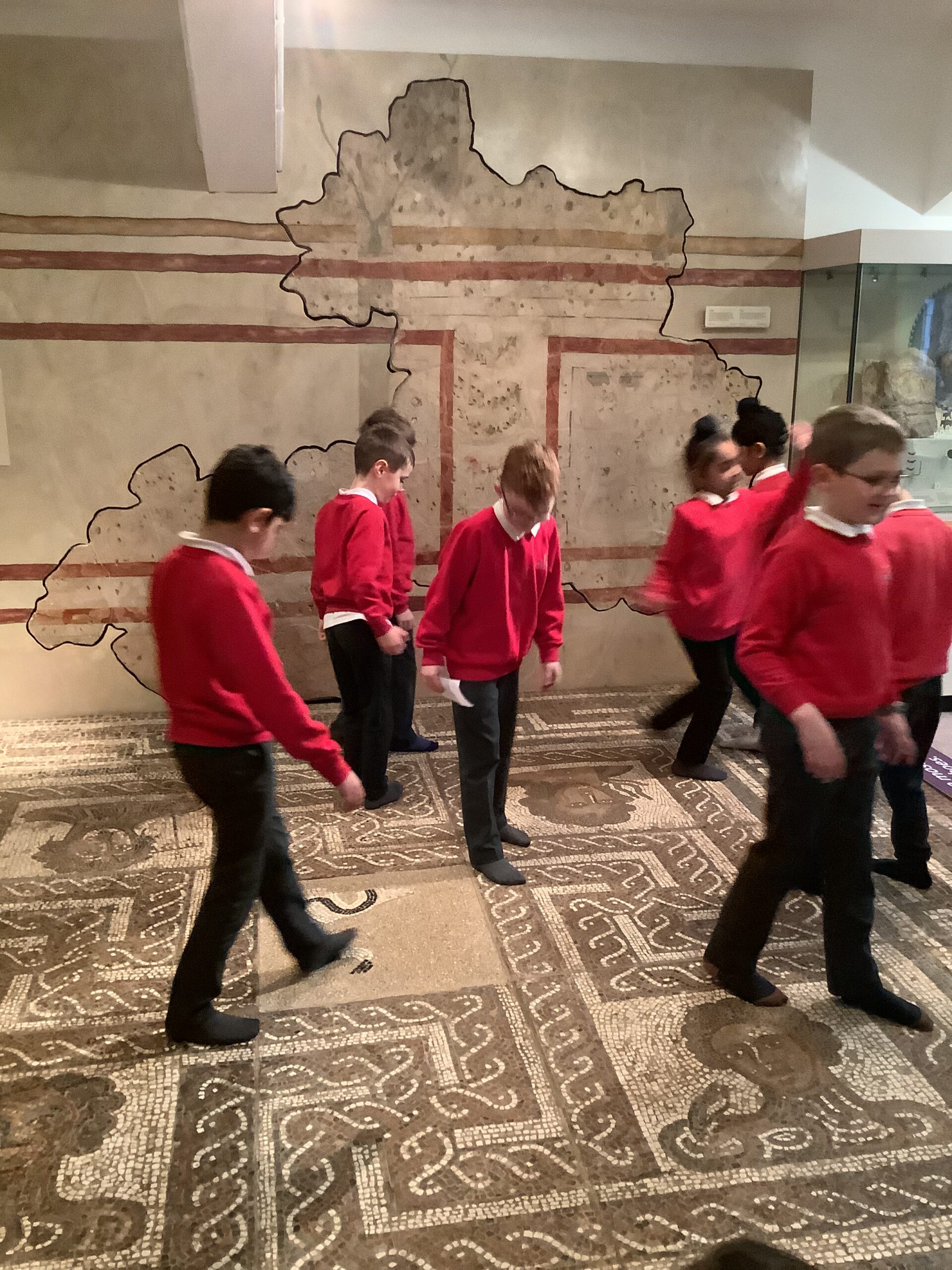
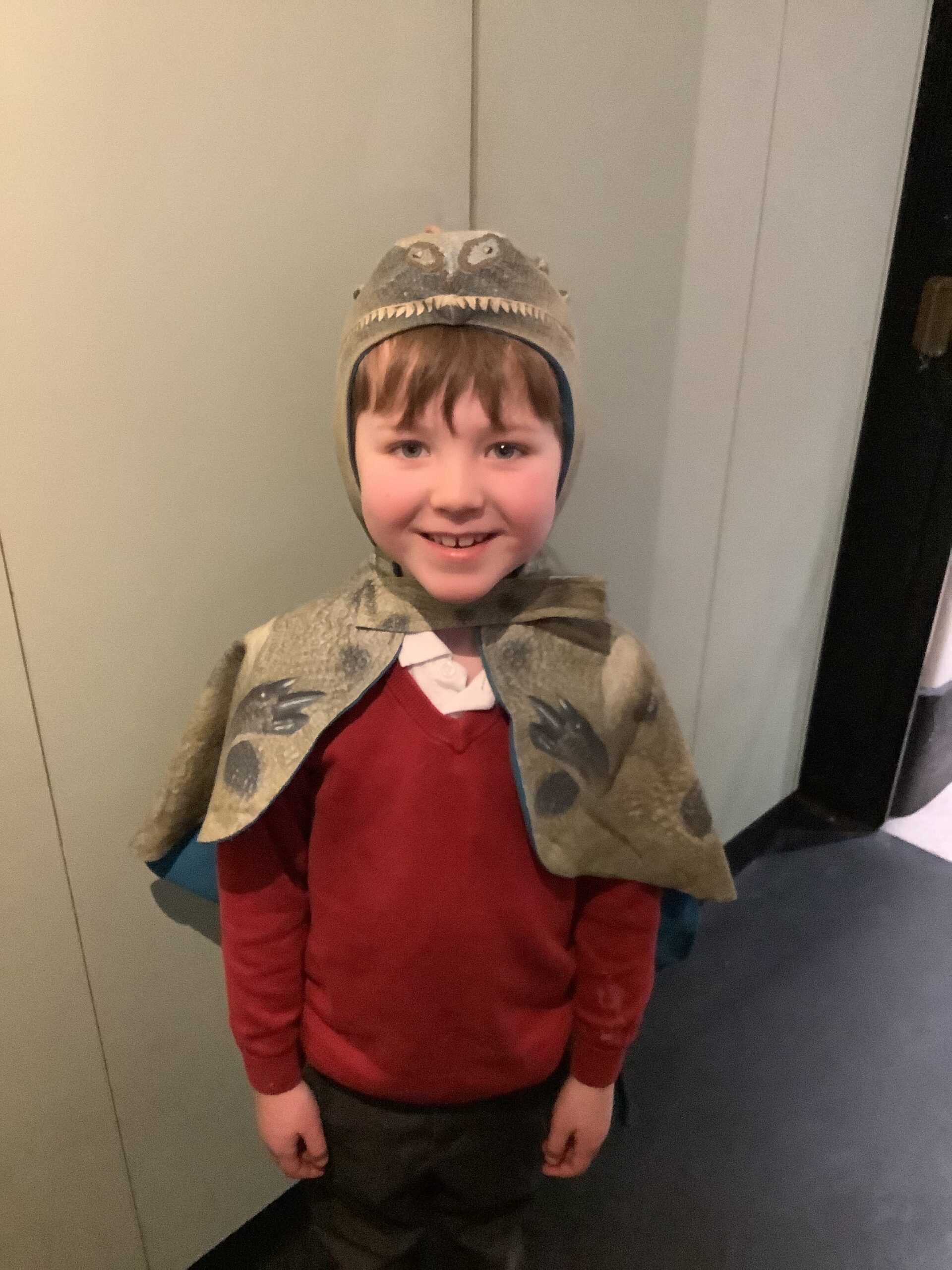
We also took part in a Roman workshop which recapped lots of the information we’ve learnt over our History topic.

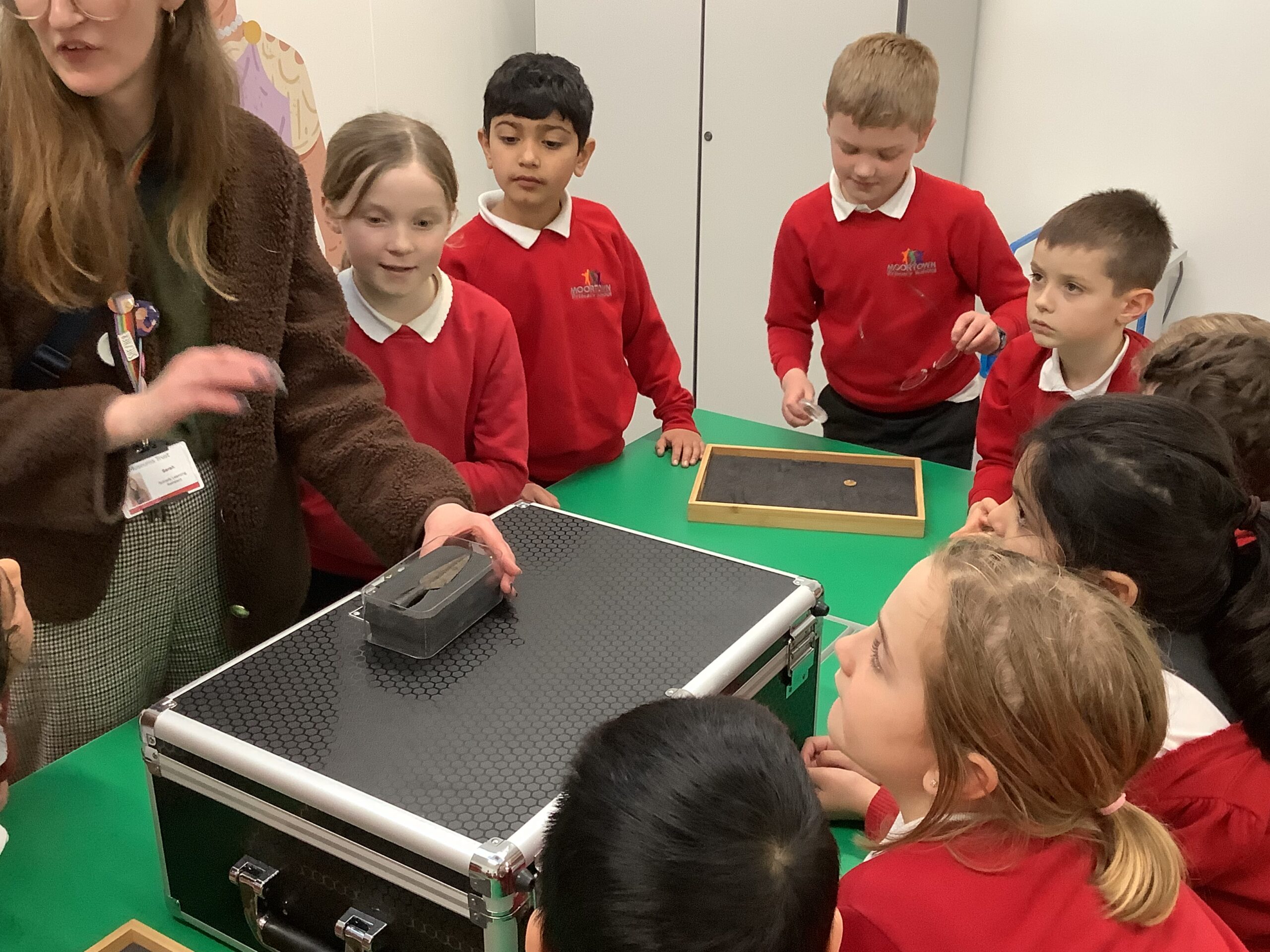
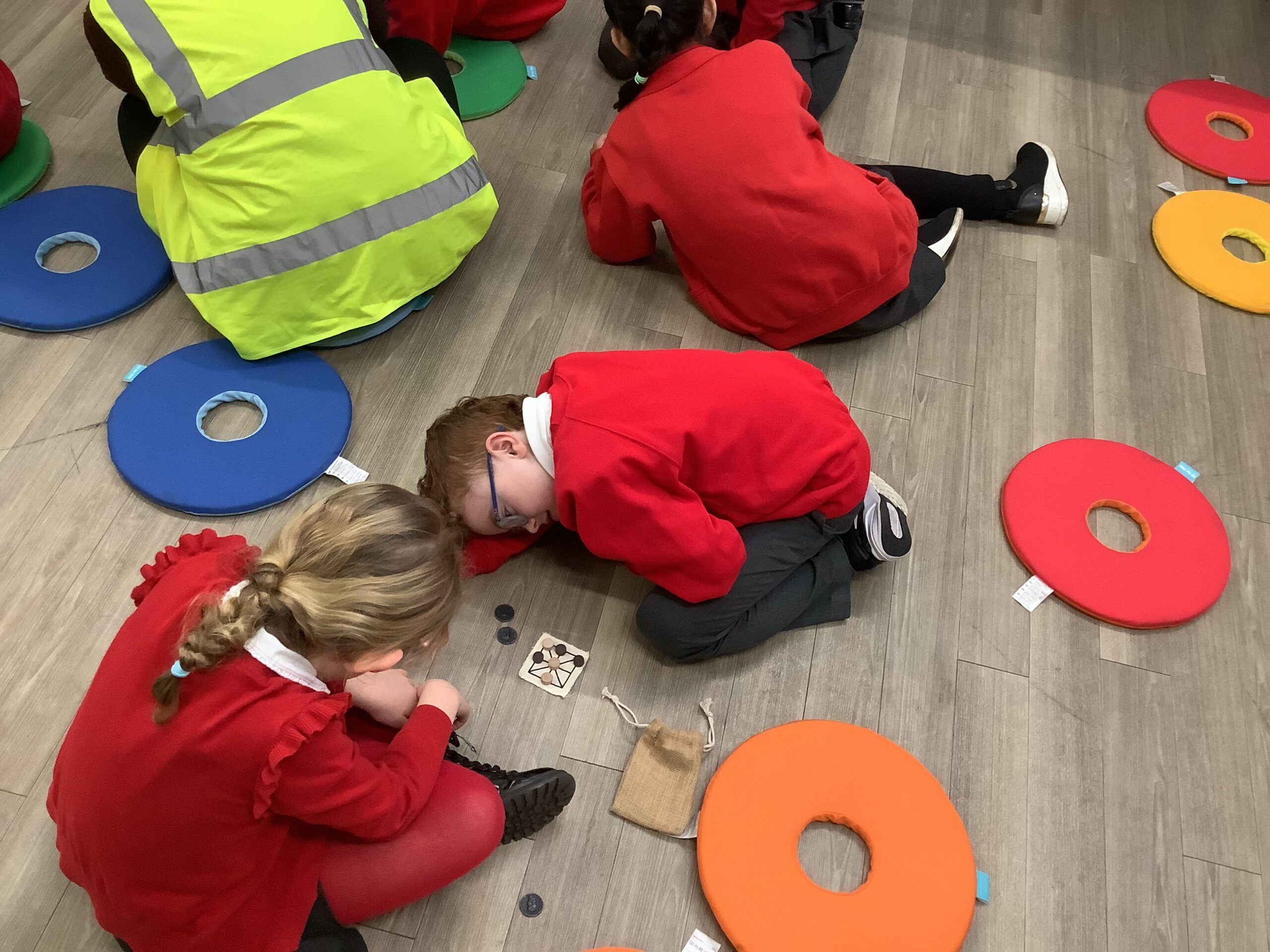
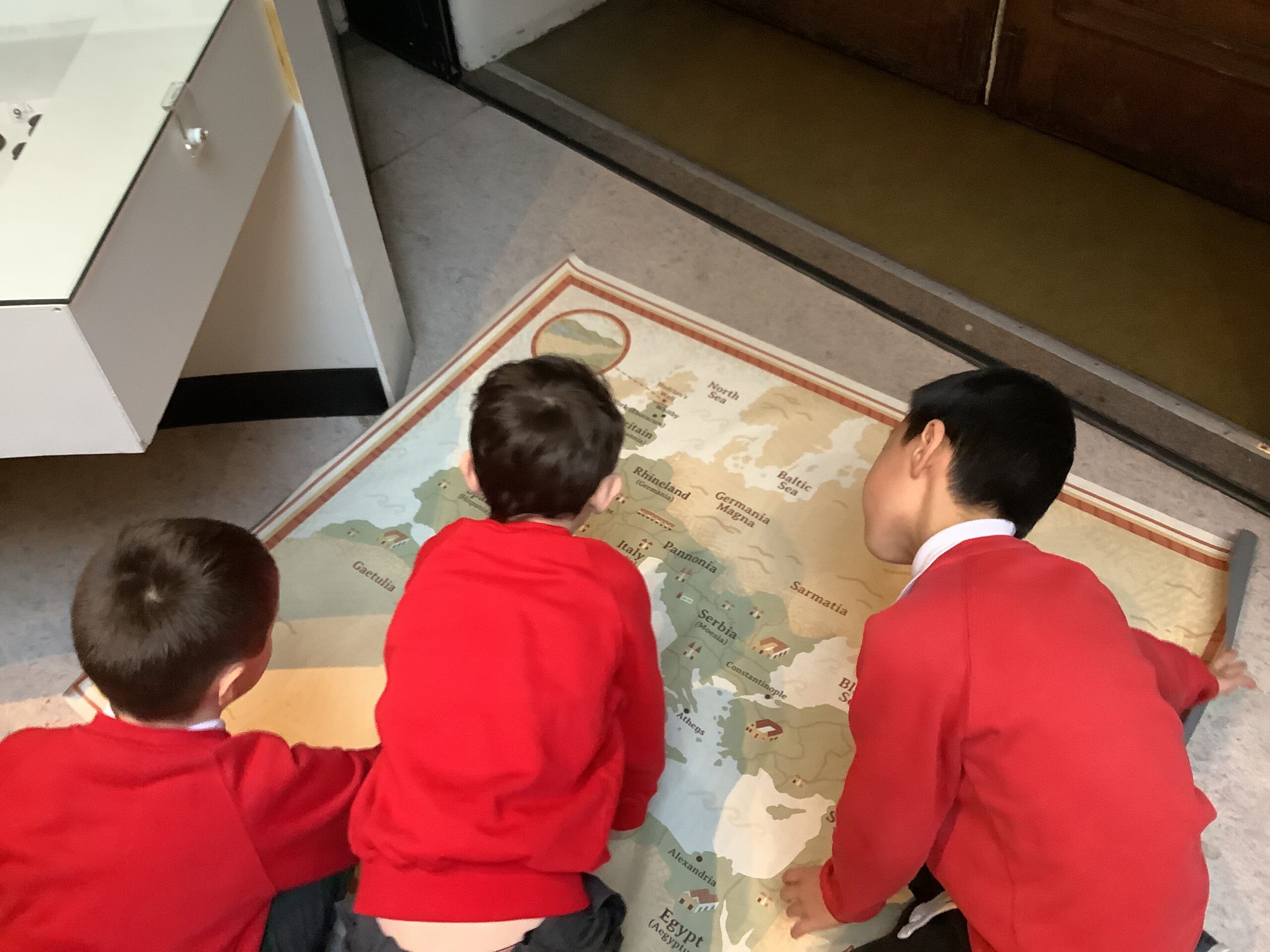
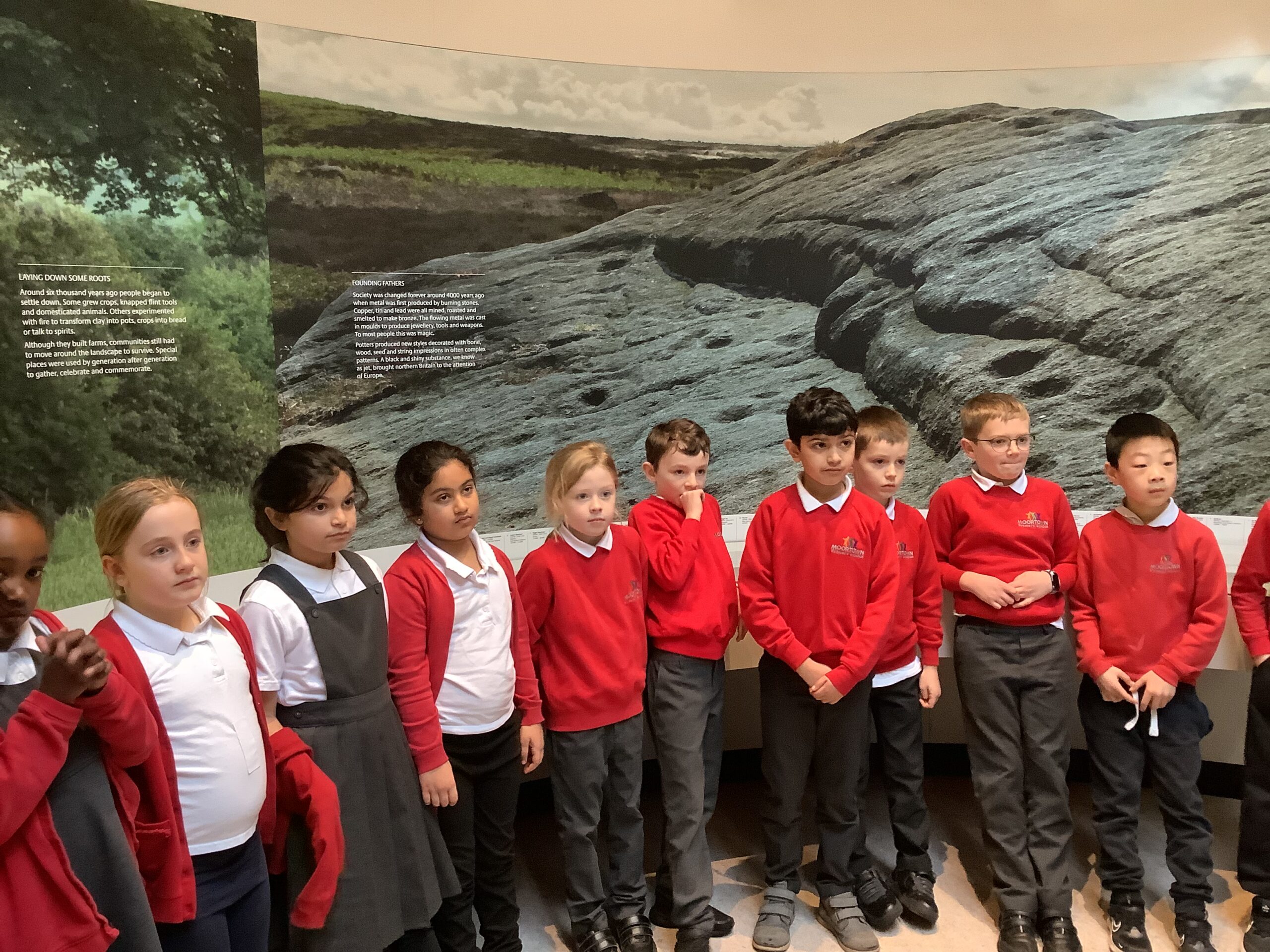
Our second reason for visiting York was for the flood defences. York gets flooded quite easily after periods of heavy rainfall so they have built many flood defences around river to help the houses and buildings near. We’ll be learning about this during our Geography topic after the Easter holidays.
To no surprise, there were floods when we visited! Here’s what we saw:
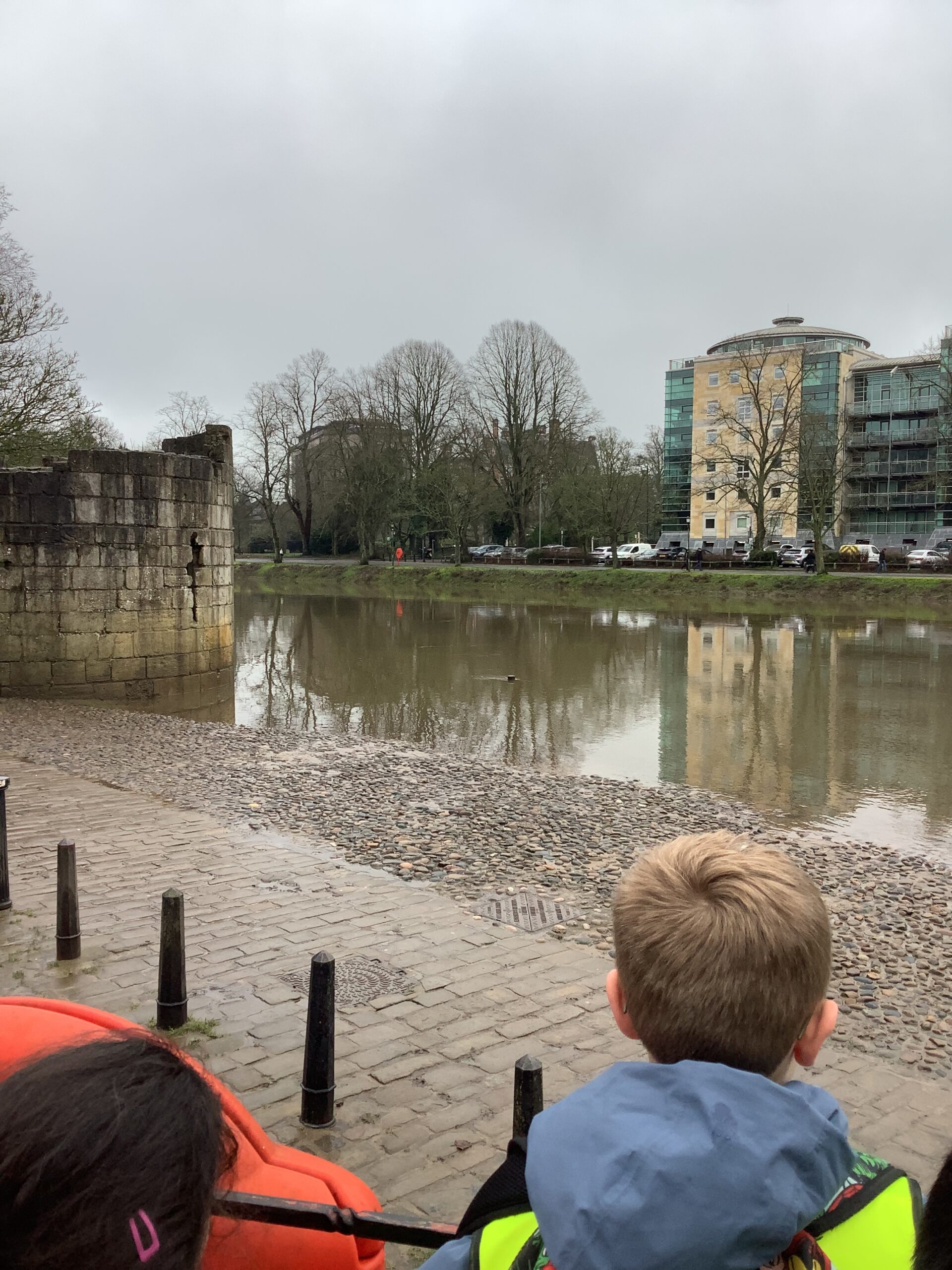
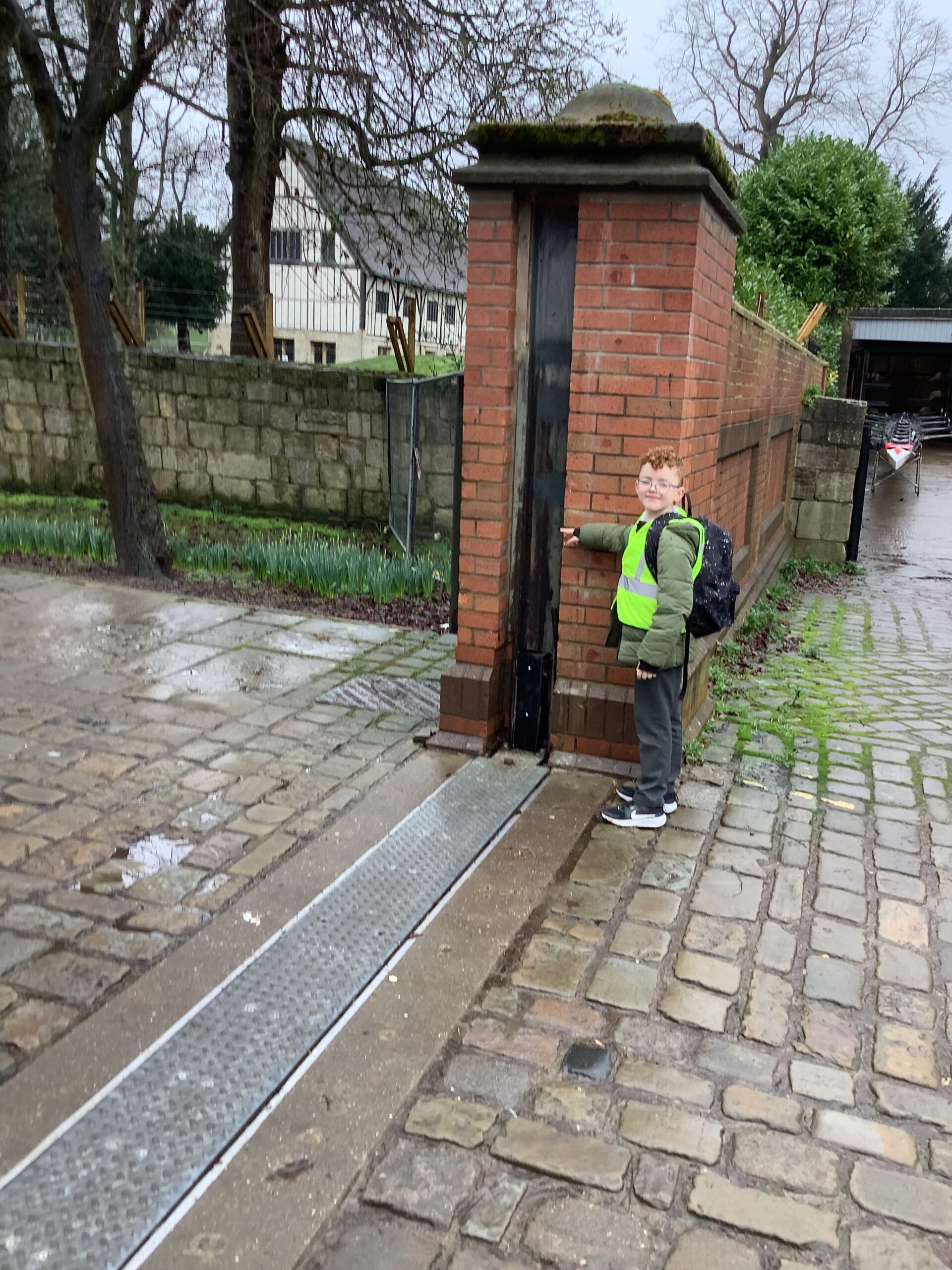
We made sure to stay safe while walking through York and around the river by walking in pairs and behind the railings.
Help at home by asking your child one new fact that they learnt while at the museum! For example, I learnt about the different under water dinosaurs that existed millions of years ago.
Basketball half term holiday camps
There are the last remaining places available on these half term City of Leeds Basketball Club holiday camps held locally at Allerton High School.

School dinner menu
After February half term, we start our new menu which runs to the end of the year. It can be viewed here. Please review this with your child to help with their selection at the start of the day. We continue to offer meat free Mondays.
The cost of a school meal is:
- children in Reception, Years 1 and 2: this is free because of universal infant free school meals
- children in Years 3, 4, 5 and 6: £3.05 for children in Years 3 to 6
Payment should be paid in advance on the Arbor app. We’re happy to accept payment for the week, month, half term or term. We prefer two weeks’ notice to change lunch arrangements.
All children in Reception, Year 1 and Year 2 receive free school meals. If your child is in Year 3 to Year 6, and you are on benefits or a low income, your child may be eligible for free school meals.
Some people like to choose a mix of school dinners and packed lunch for their child – that’s absolutely fine, as long as it’s a the same pattern of school dinners and packed lunches every week. Just let office staff know which days you’d like to opt in for a school meal in the week, and which days you’d prefer to provide your child with a packed lunch.
We continue to gather feedback from children on our school meals.
If you have any feedback, please do get in touch.
Food Technology – quick pitta pizzas
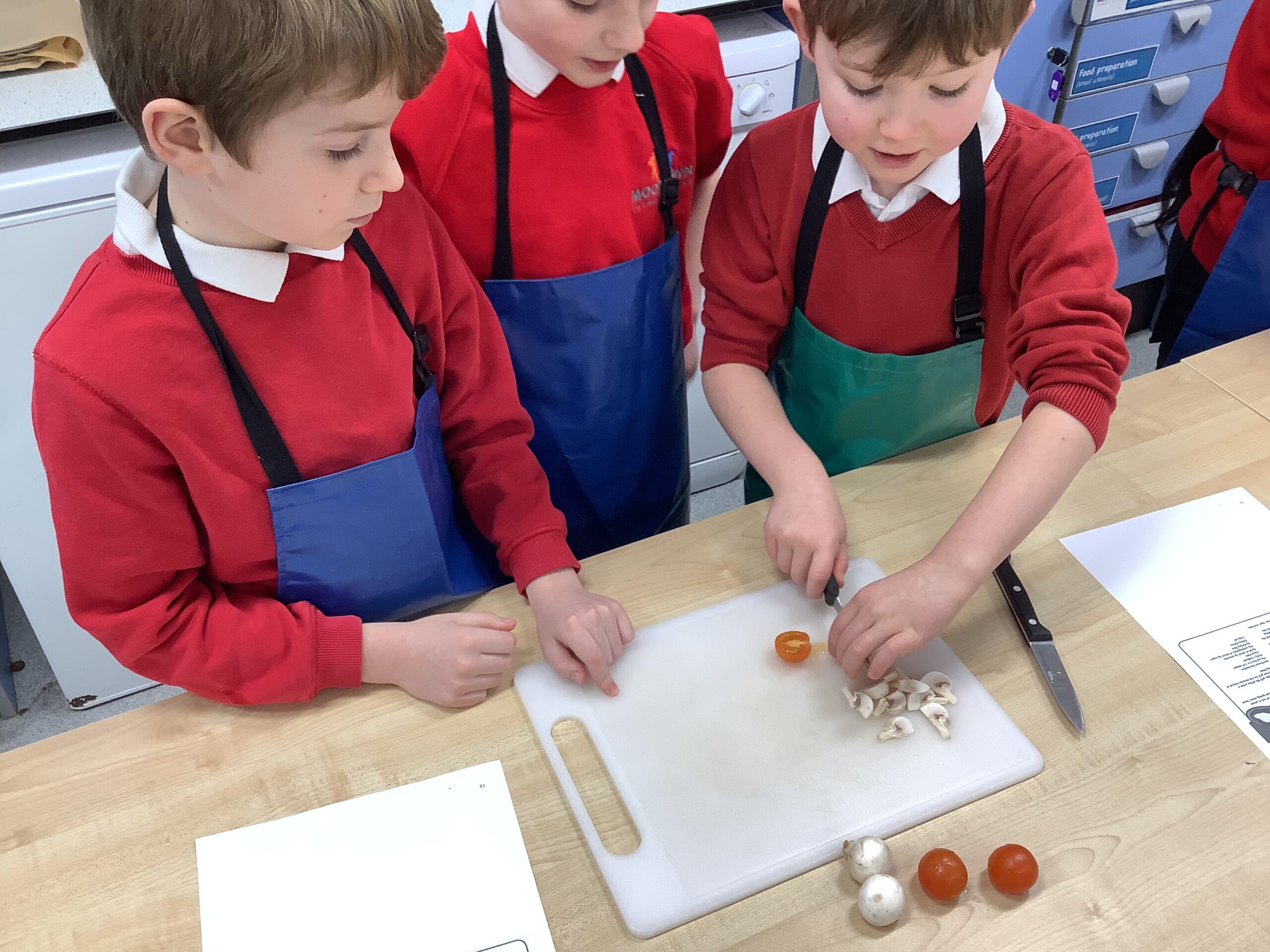
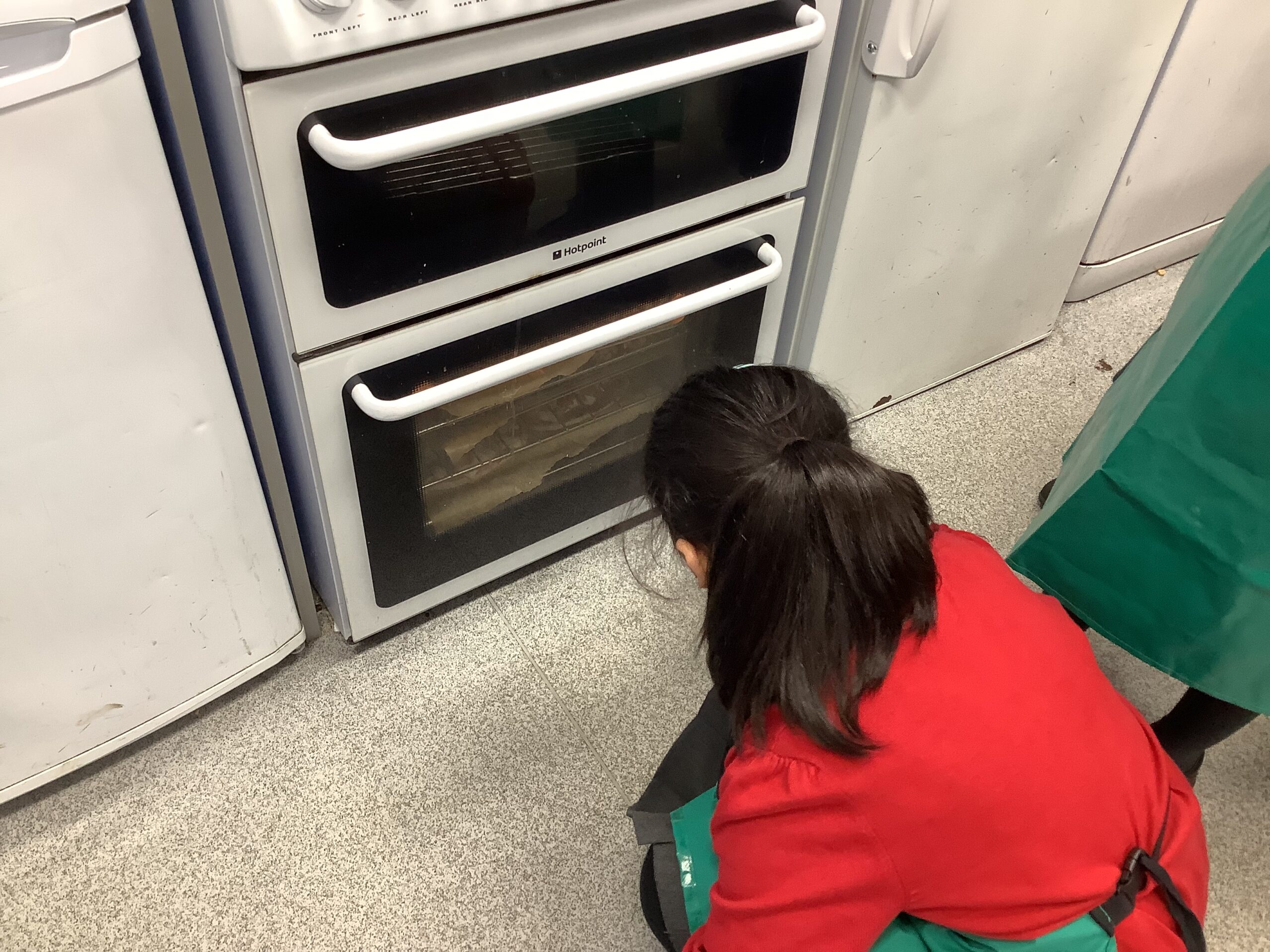
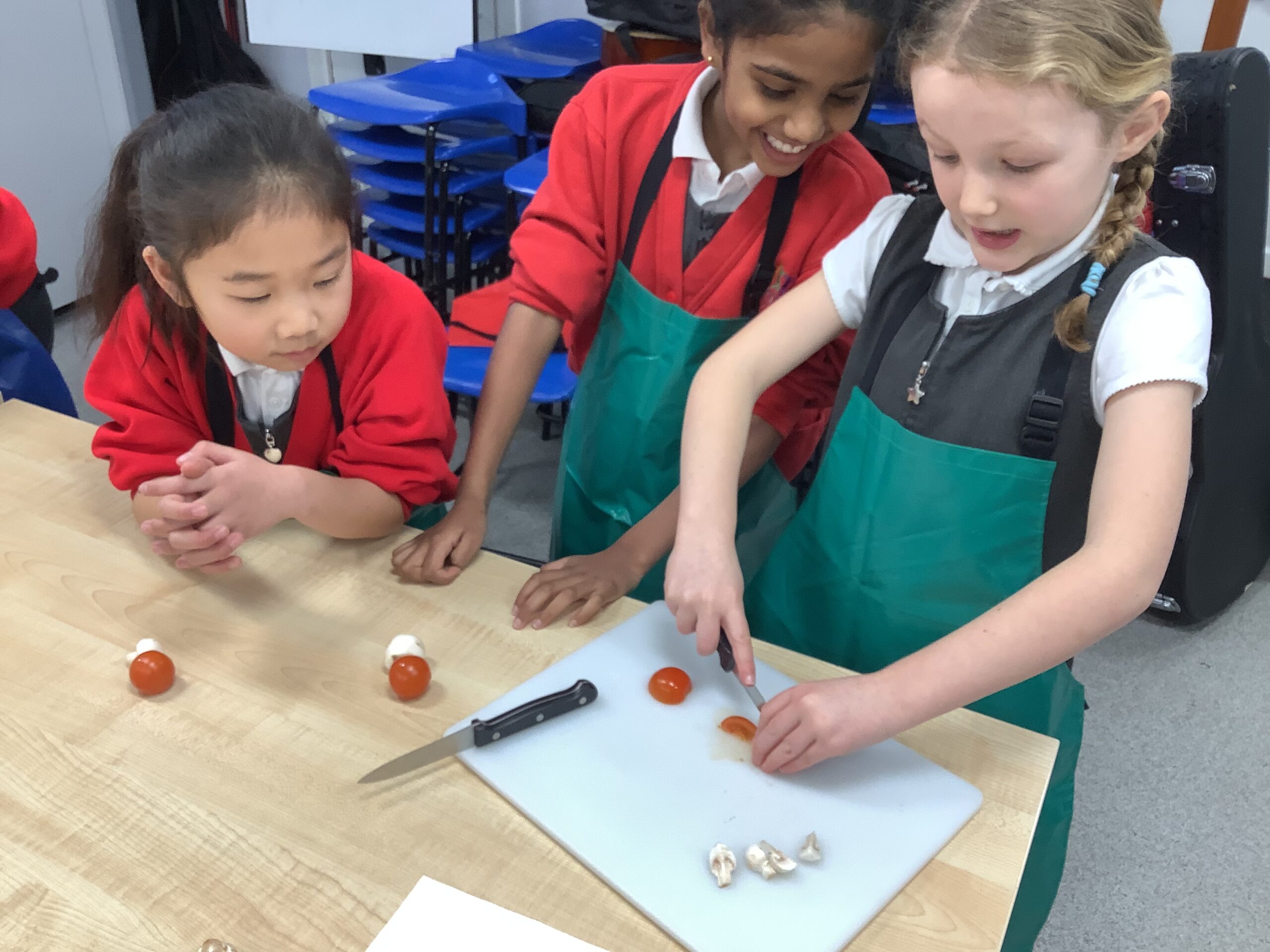
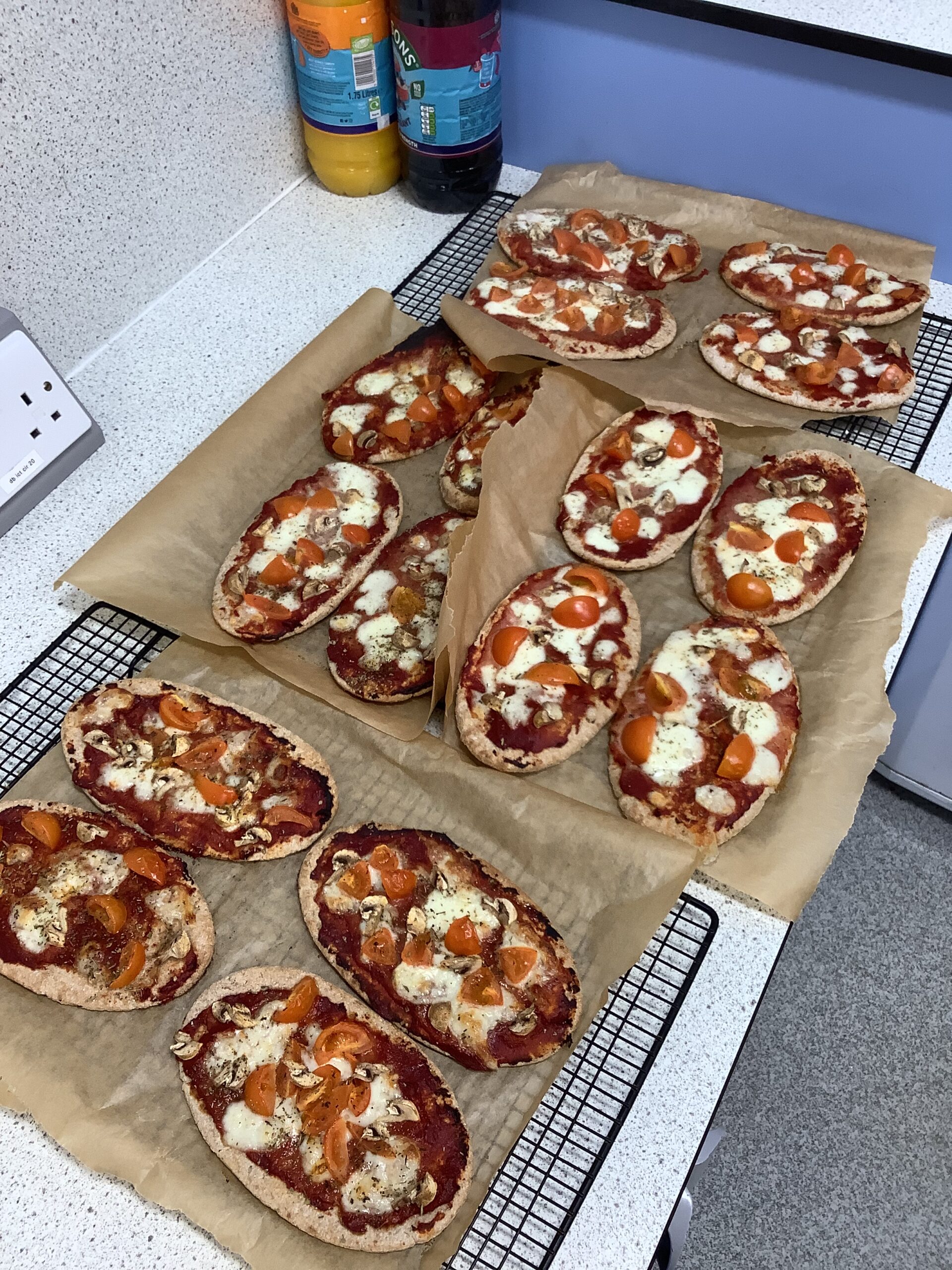
This morning, Year 3 have been making quick pitta pizzas. We were so impressed with their knowledge and skills at each stage of the recipe.
The main skill we practised was cutting with a knife. We used the bridge to cut the tomatoes and mushrooms. We used a serrated edged knife to cut the tomatoes and a smooth edged knife for mushrooms.
We ripped the mozzerella into pieces and placed all of the toppings on top of our wholemeal pittas.
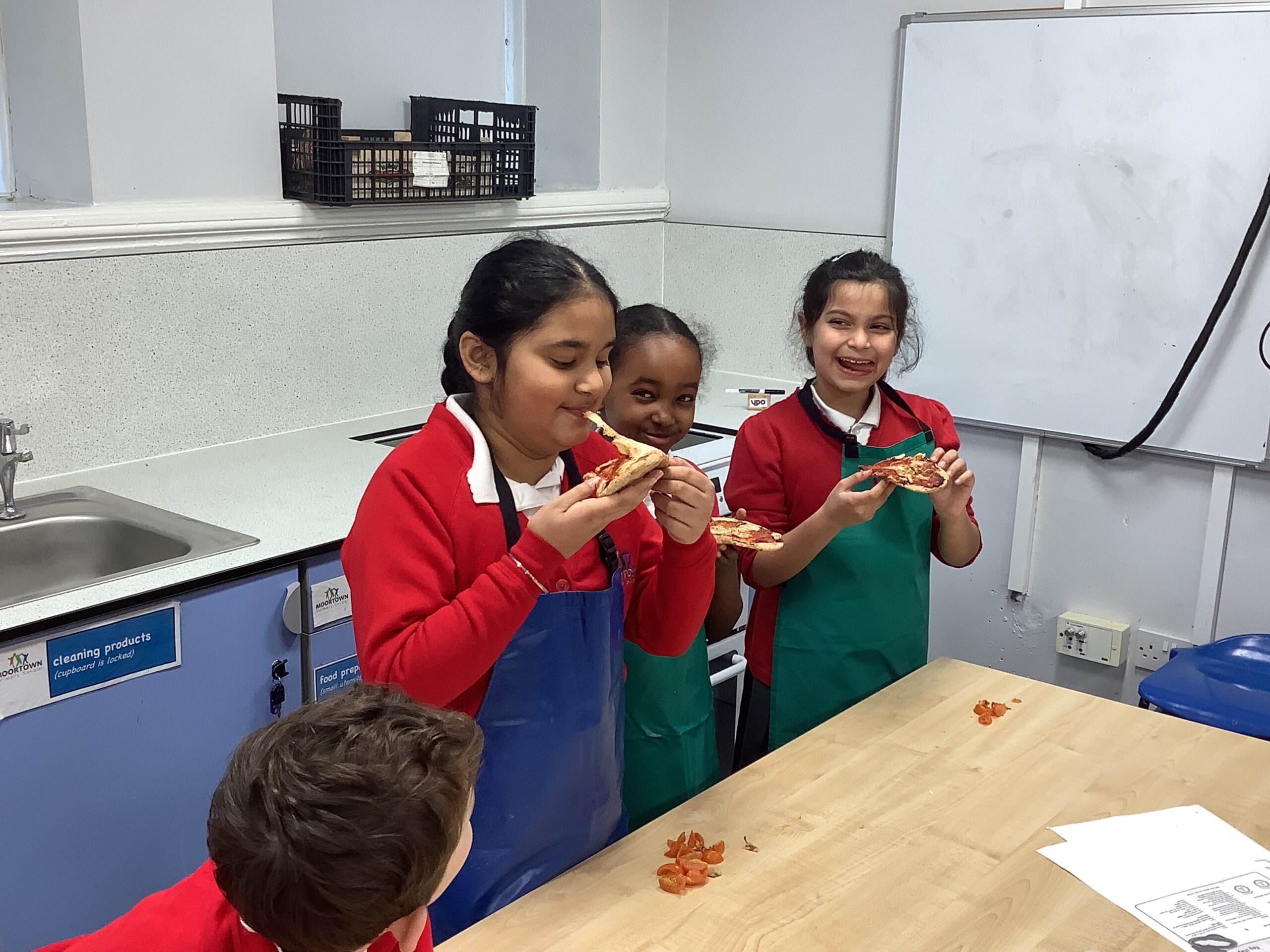
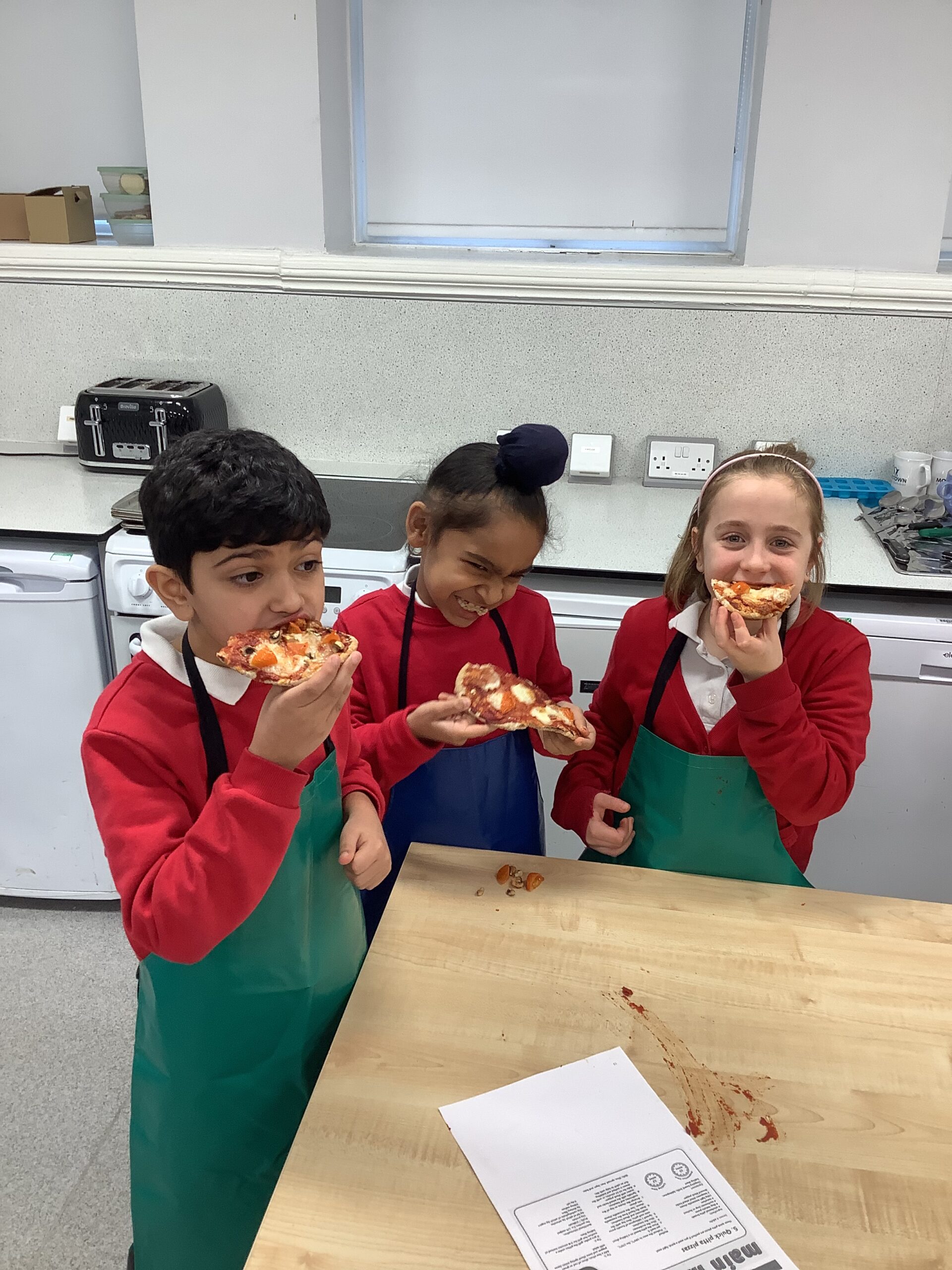
After we cooked them for 10 minutes, all was left to do was to eat them! Some of them gave it 10/10.
Help at home by remaking the pitta pizzas. Can you add other toppings?
Year 3/4 production auditions
Next half term, Year 3 and 4 are beginning rehearsals for their production – Sir David Hattenscarf – that will be at the end of the term. All the children have the opportunity to audition for the production if they’d like the chance of having a larger part!
Auditions will be held at lunchtime on the 10th Feb.
Practise this section of the script and bring it to the audition.
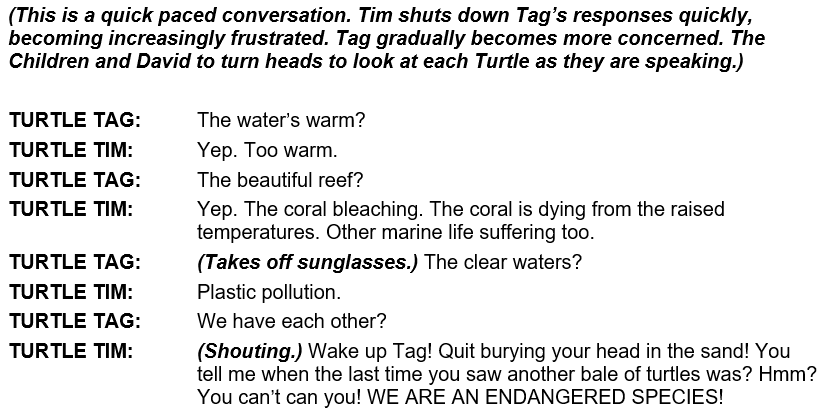
Any questions, please ask Miss Birch and Miss Newman.
Living and Learning: online safety
Year 3 had a visitor this afternoon from D:Side. We were learning about being safe online while playing on different games.
Lots of us enjoy playing games online and they can be really fun but there is also lots of things we need to be careful around.

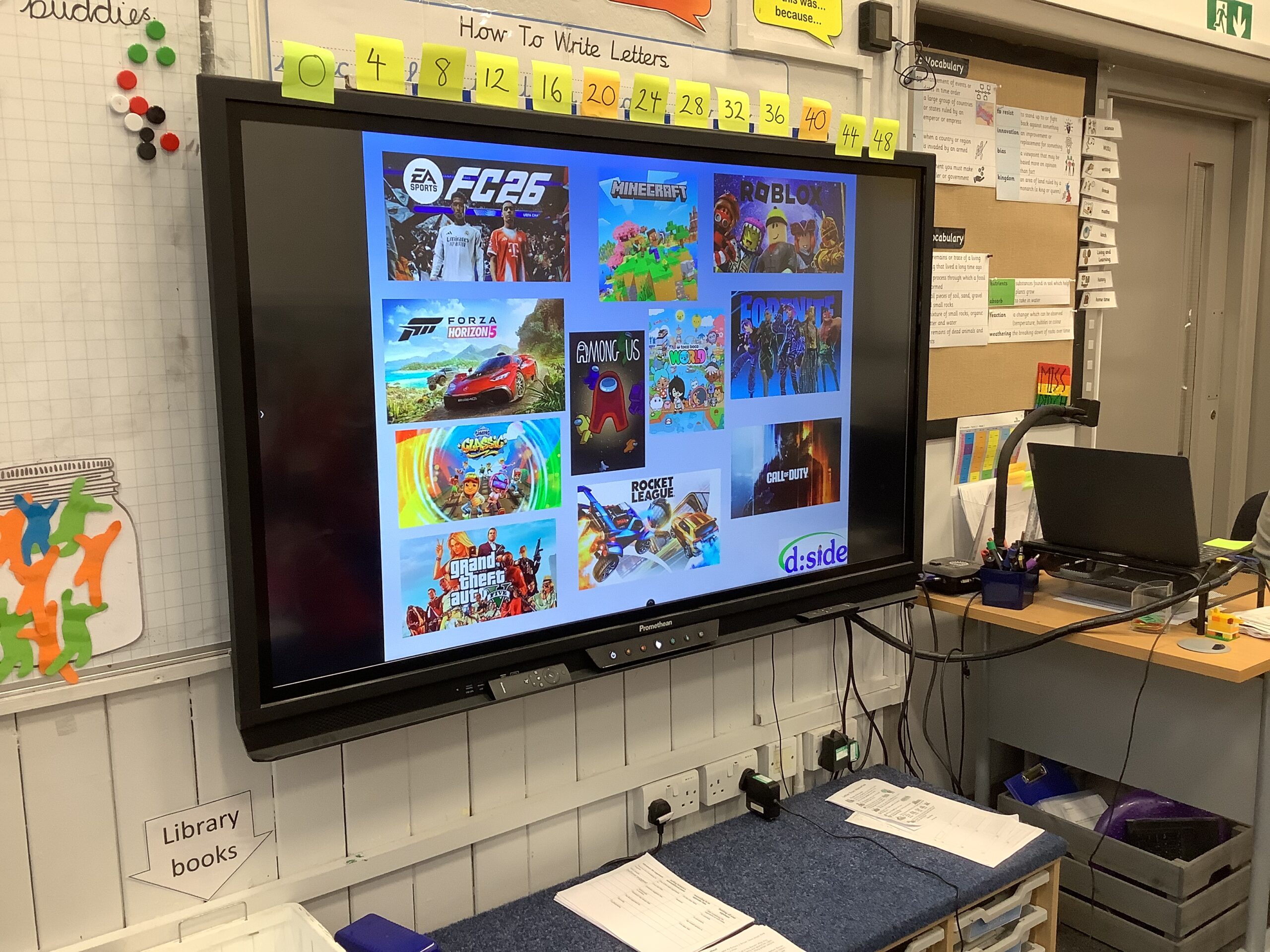
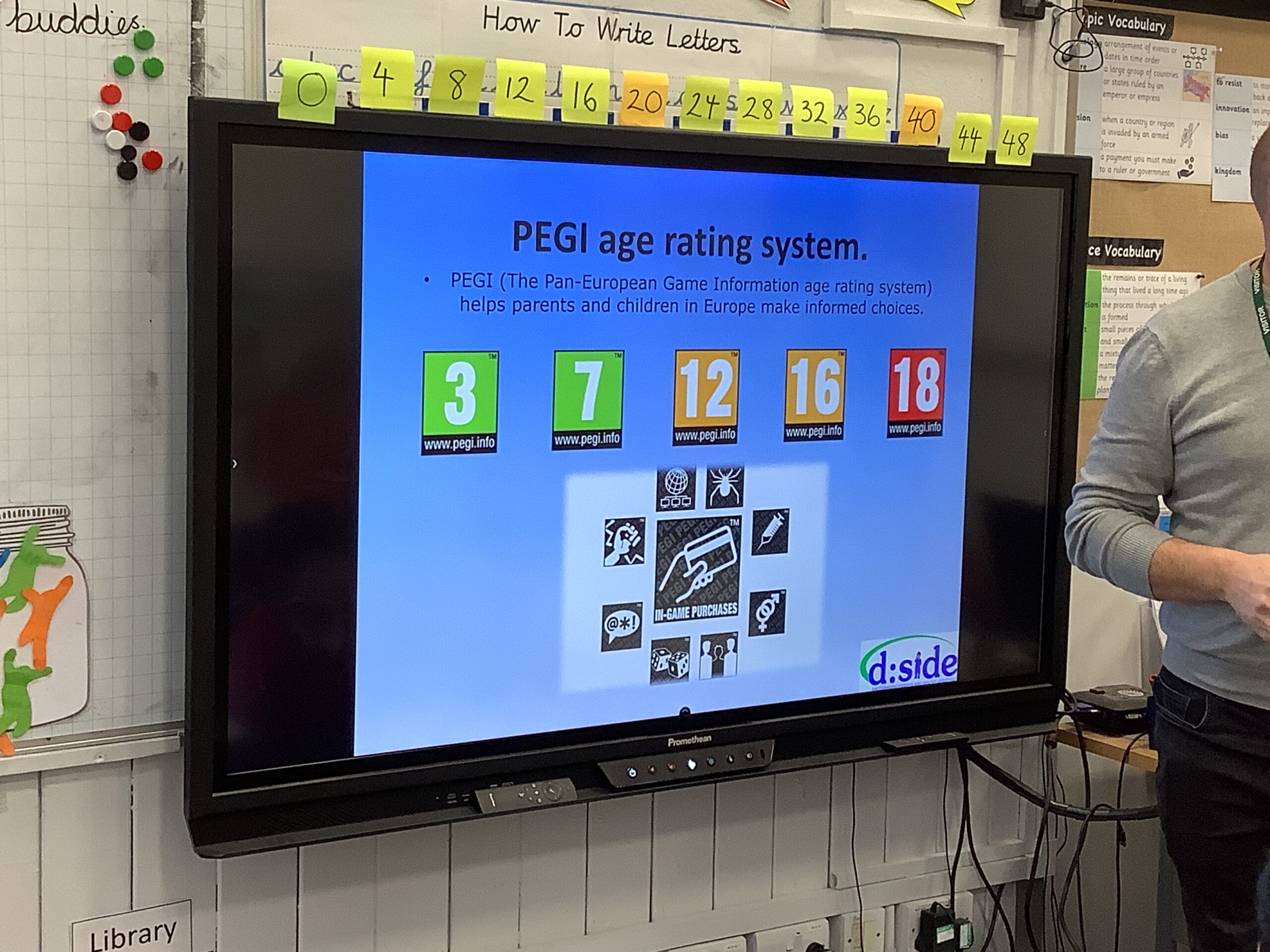
Lots of games have age ratings and restrictions based on the content they show. In Year 3, we should only be playing games that are rated ages 3 or 7. This is because they have content that are appropriate for our age.
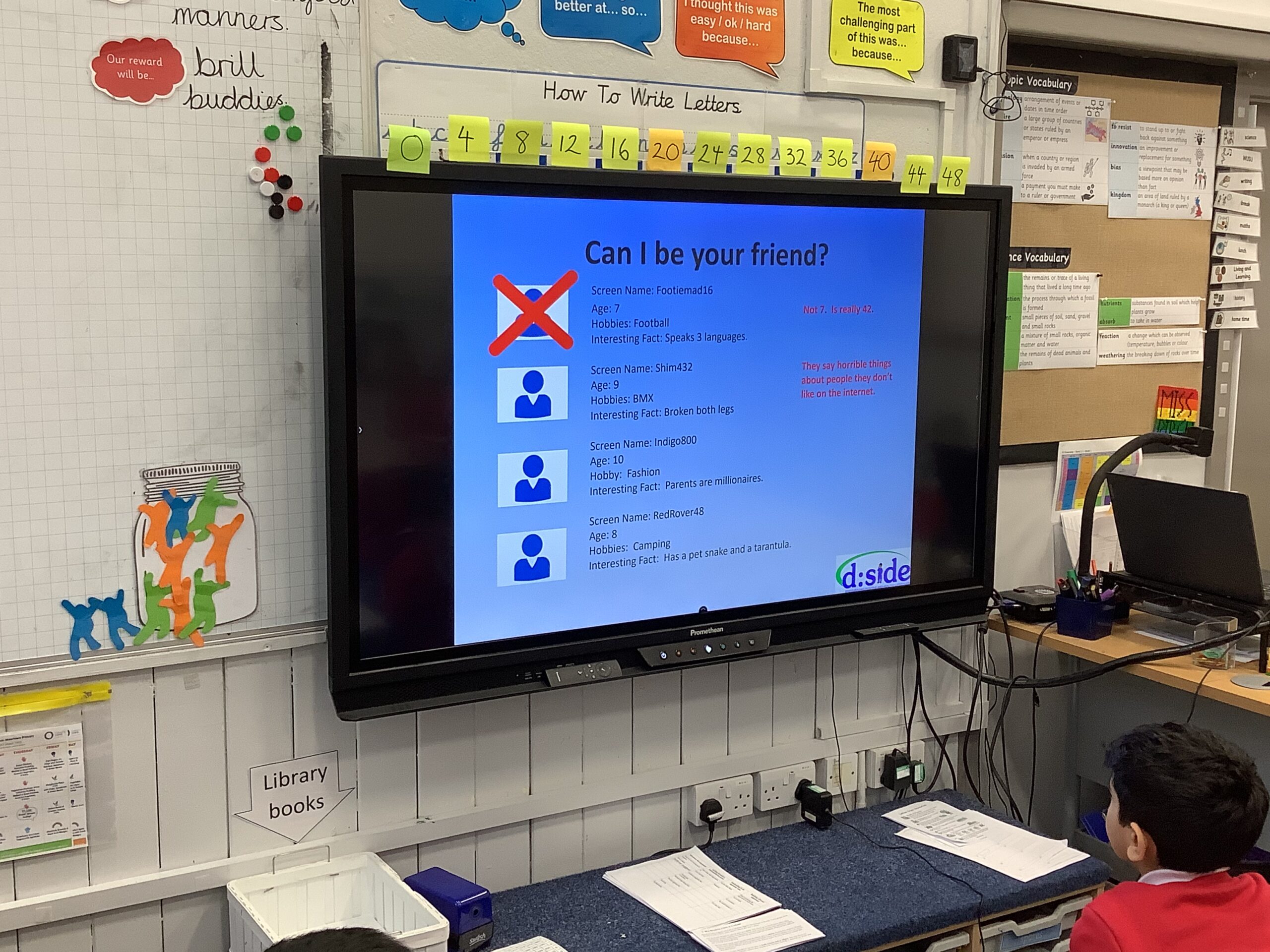
There are also many people online that we may interact with. Not everyone online is who they say they are so we must always ask a trusted adult if we are unsure or feel unsafe online.
Even if someone says they’re 7, that they love reading and have a pet dog, they might not be telling the truth! We had a go at deciphering and deciding whether the friend requests were safe or not.

Help at home by checking the age ratings of your child’s favourite online games. Are they appropriate for them to play?
Leeds Cross Country final
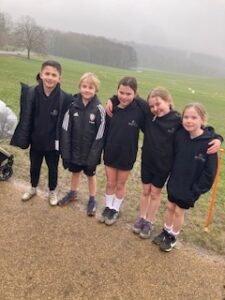
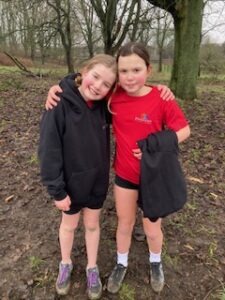
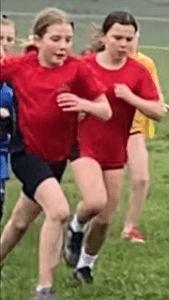
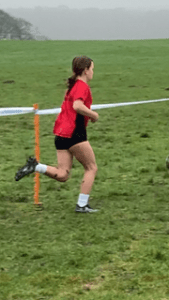
We were very proud of our five Key Stage 2 children who took part in the Leeds Cross Country Final at Temple Newsam today.
In muddy, slippy conditions they all put in 100% effort in their races and were a great support for each other. The children should feel proud of competing against the best runners from across Leeds.
We’ll wait to hear if we have any qualifiers for the next round, the West Yorkshire Final.
Thank you to parents who helped with transport and supported at the event.

Living and learning: internet safety – consent
Today, we learnt about how we can stay safe on the internet by giving (or not) our consent.
Consent means the permission for something to happen or agreement to do something.
Which of these scenarios do we need to ask for consent to do?
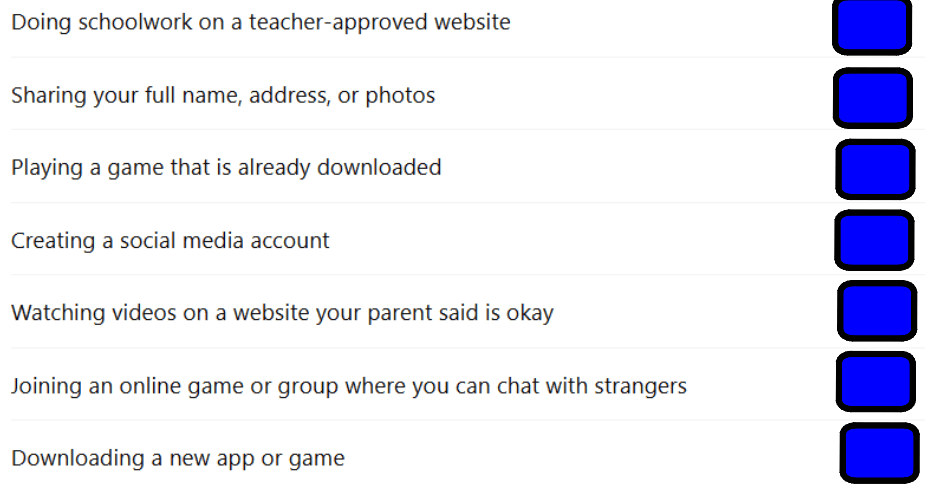
Help at home by reading through these and deciding which you’d need to find consent to do.
We must always speak to a trusted adult if we are unsure of what to do or if something happens online that we need help with.
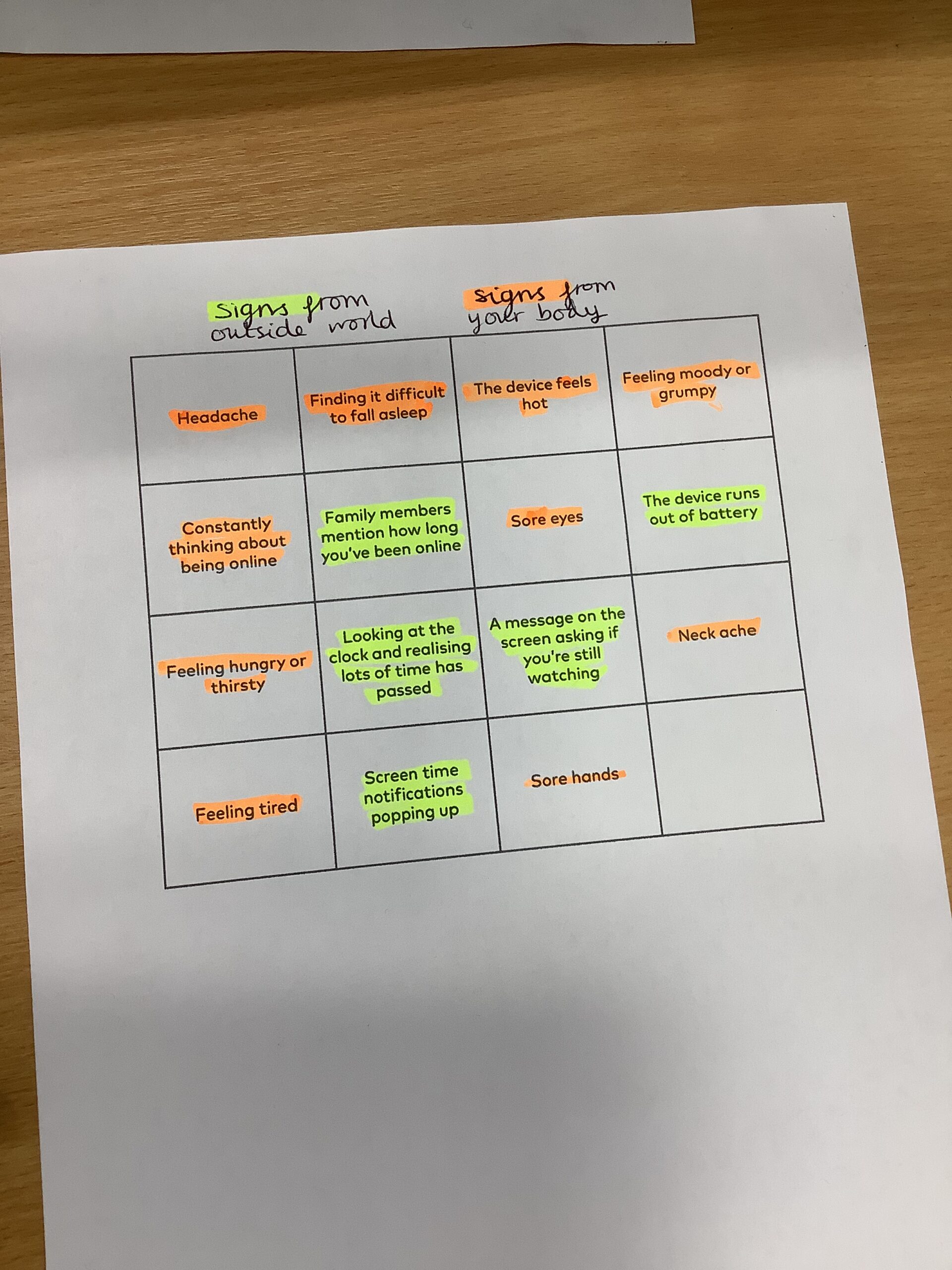
We also discussed the importance of having a healthy balance of online and offline behaviours. We looked at different signs we might come across that tell us that we need a break from our screens!
Maths
Year 3 are coming to the end of their numbers to 1,000 learning.
We’ve been using the method below to add and subtract to and from a multiple of 100 and 10.
“400 is a multiple of 100 and 10 because there is a zero in the ones and tens column.”
“240 is a multiple of 10 because there is a zero in the ones column.”
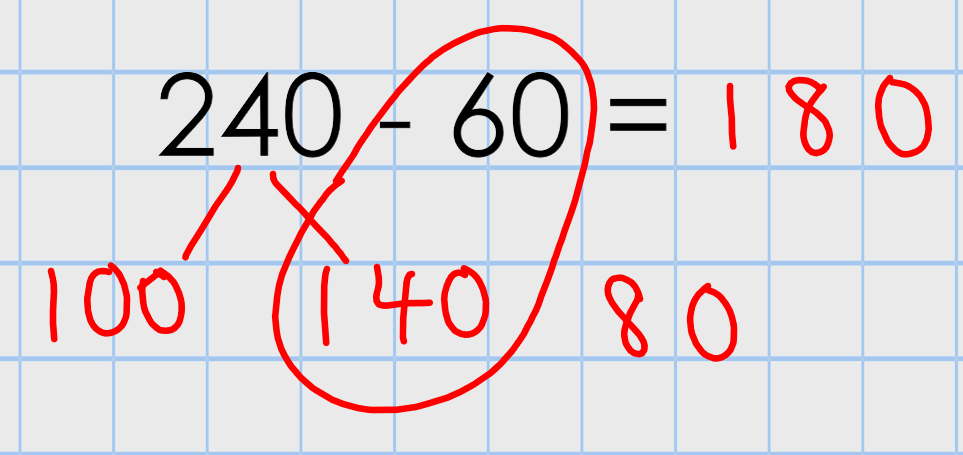
By partitioning the multiple of 10 – 240 – into 100 and 140, we can more easily subtract 60 from 140.
14 tens – 6 tens = 8 tens
140 – 60 = 80
100 + 80 = 180
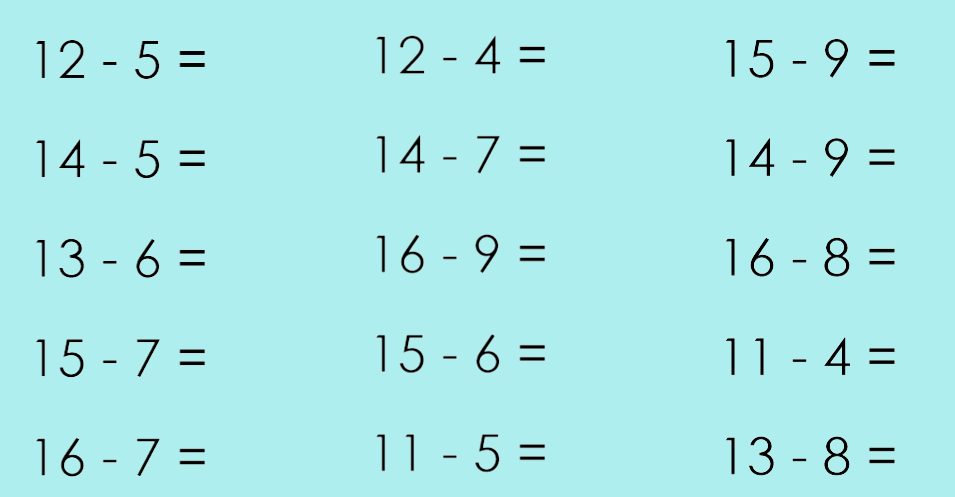
To make these trickier calculations more straight forward, it helps if your child can recall these number facts. Help at home by practising these number facts at home with your child.
Year 3 class assembly
This week, Year 3 are preparing for their class assembly!
We listed how we can make our performance the best:
- project our voices
- eyes on the audience
- read with prosody
- open body language
Some children already know their lines off by heart by rehearsing them over the weekend. I’ve challenged the class to see if they can all be off scripts by Wednesday.
Help at home by practising your child’s lines with them.
We’re looking forward to seeing you there, if you can make it!