
Maths: column addition
Year 3 have recently learnt how to add two numbers using column addition. Column addition is a great method for when we aren’t able to use reasoning and mental maths to help us add numbers together.
Top tips:
- Use HTO to help you line up your numbers.
- Use one digit per box to keep it neat and tidy.
- Always start adding from the smallest value column!

This is what your working out might look like if each column adds up to 9 or less.
We have then learnt what to do if a column totals 10 or more! We use these facts to help us:
10 ones = 1 ten
10 tens = 1 hundred
We must exchange the 10 ones for 1 ten and mark it underneath our answer box and do the same for 10 tens exchanged for 1 hundred.
Help at home by practising this method. Can you add two 3-digit numbers using column addition?
Writing: using inverted commas
Year 3 are going to be writing a recount. What is a recount?
A recount re-tells events and describes what has happened.
Our recount will be inspired by a picture book called ‘The Flood’ by Alvaro F. Villa.
In our recount we’re going to include; description, action and dialogue (direct speech).
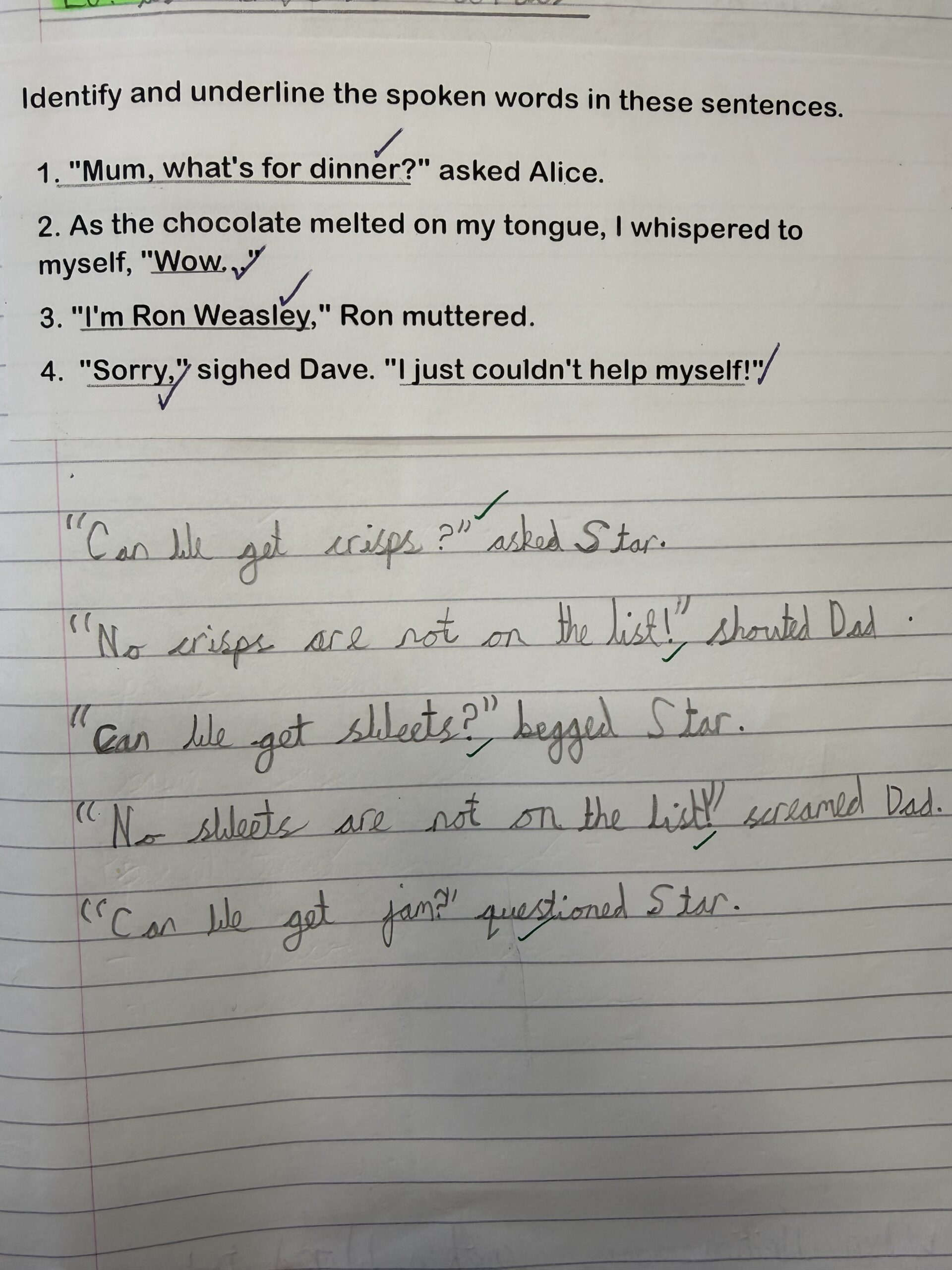
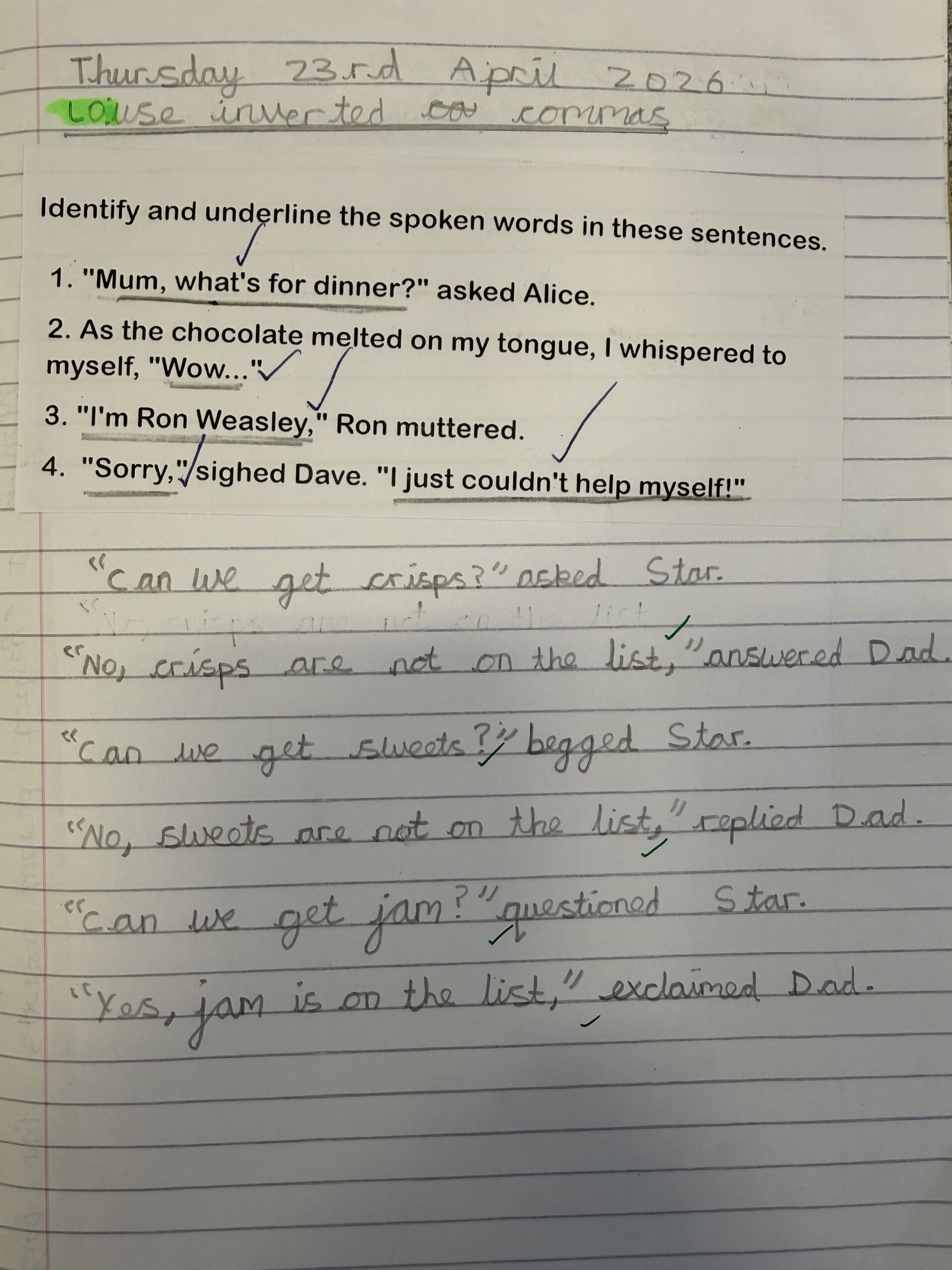
We’ve began practising our use of inverted commas for direct speech…
Help at home by practising writing direct speech. Have a conversation with someone at home and write it down using inverted commas. Use the list of R2s above to help you!
Here’s some great examples from our learning.
Living and Learning – asking for permission/consent
This week, Year 3 have learnt about the importance of asking for permission and giving consent.
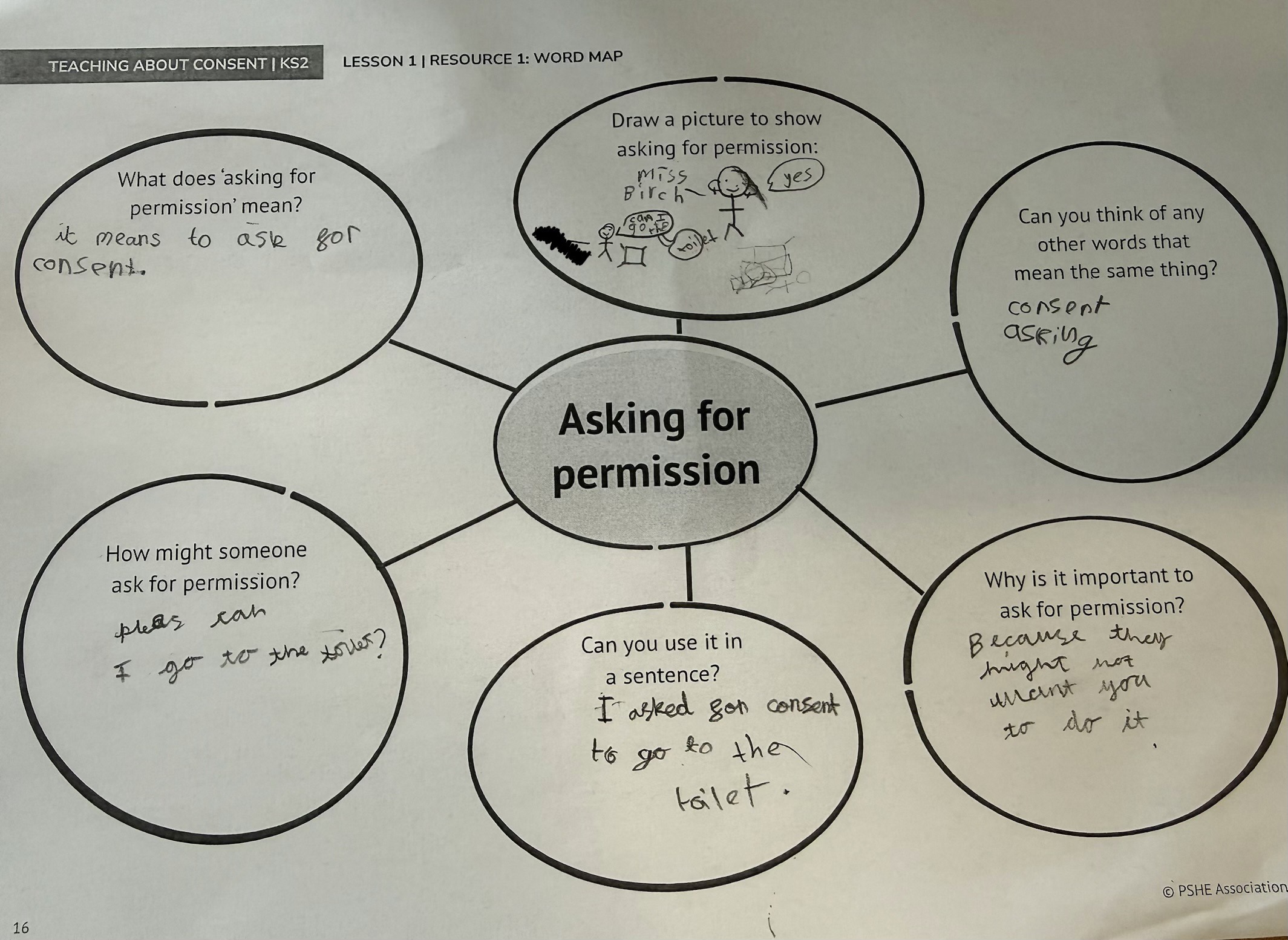
Asking for permission is important in many different scenarios…
- Asking to go to the toilet during learning time is important so that the teacher knows where I am if something happens.
- Asking to borrow something is important so that you are respecting another person’s belongings.
- Asking before taking a photo is important because someone may not want their photo shared.
- Asking before you step into someone’s personal space so that you’re respecting their feelings.
Help at home by generating more scenarios where you should ask for permission/consent.
In these scenarios, someone may say yes or they may say no. Saying no is acceptable and we must respect that!
When it comes to giving our own consent, we must remember that it’s always our choice.
Living and Learning: I know the importance of a healthy diet.
This week, Year 3 have been learning about having a healthy, balanced diet.
We recapped the five main food groups that we’ve learnt about during our Science lessons earlier this year.
- carbohydrates
- fruit and vegetables
- protein
- dairy
- fats
We need a balanced diet of these food groups to keep us healthy and strong. For example, carbohydrates give us energy and dairy is full of calcium that is great for our teeth and bones. We also need some fats as they give us energy and help us to absorb the vitamins and minerals that we eat through fruit and vegetables.

We had a go at creating our own balanced meal. Here are some of what we came up with…

Help at home by planning a meal with your child and checking that you have a balanced amount of each food group.
Computing: branching database
During our Computing topic, we’ve learnt about a branching database.
A branching database helps a computer sort and find information by splitting a group of items into smaller and smaller groups by using “yes” or “no” questions.
We had a go at playing with one of these databases before creating our own.
Have a go here: https://www.j2e.com/jit5?fileId=FDrqUQoSY1jKiBHN#branch
We then worked in pairs to create our own. There were lots of different categories of things to choose from. Some of us went with a beach theme, a space theme or an animal theme.
Have a look at some of our branching databases!


Help at home and choose some objects that have some similarities. What “yes” or “no” questions could you ask to split the objects into groups.
Maths: right angles
Last week, Year 3 were learning to recognise right angles.
A right angle is the same as a quarter turn.
There are four right angles in a full turn.
This links directly to our Computing learning where we’ve been using quarter turns in our algorithms.
Many 2D shapes, or polygons as we’ve called them, have right angles.
Squares and rectangles have four right angles.
A triangle that has a right angle is called a right angled triangle.
We’ve also had a go at drawing different polygons, some with right angles and some without.
Help at home: Can you name the polygons we’ve drawn?


Computing: Scratch programming
This half term we are improving our computing skills. The first few lessons have focussed on logical reasoning, including solving sudoku and number sequences. This week, we worked on using the Scratch program to create a Chatbot quiz. In our quiz we programmed the sprite to ask our name, respond with a greeting and then ask us a question. We were able to use the ‘if, then and else’ block to ensure that the right answer had a positive response and all other answers gave a different response.
We really enjoyed getting stuck in with the coding and we worked very well together with our partners.


Help at home by logging on to Scratch and letting your children experiment with coding at home.
Living and Learning: personal hygiene
Year 3 have been learning about how we can keep our bodies healthy. For example, we have learnt about what germs are and how to prevent spreading them.
We started off the lesson by talking about the different types of germs there are; bacteria, viruses and fungi. These can be all around us and some are helpful and some are harmful e.g. some yoghurts have ‘live cultures’ in that are good for our digestive system.
The children then discussed how quickly and easily germs can spread. We highlighted that places where germs are common.

We talked about the need to wash our hands to help prevent this spread. We could use soap or hand sanitiser and to make sure we’ve washed them thoroughly enough, you should sing happy birthday twice while you do it!
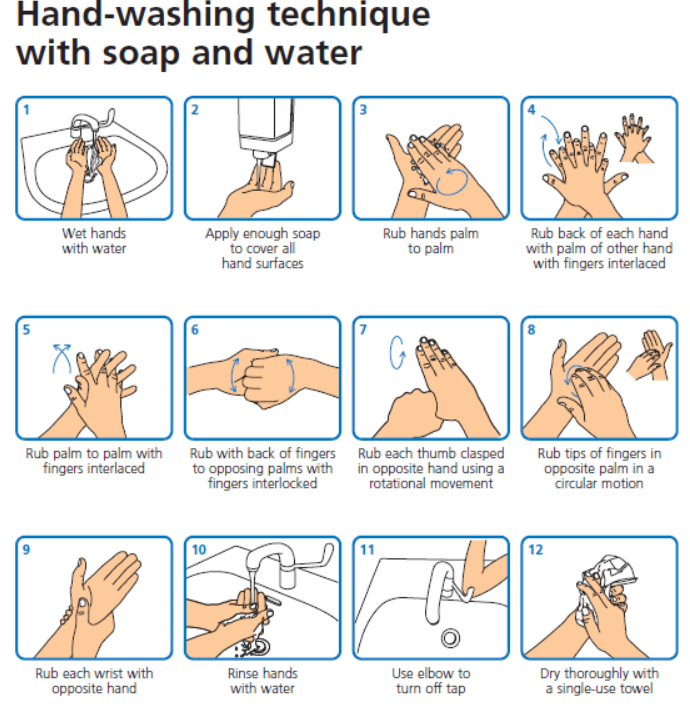
Help at home: Discuss other ways we can stop germs from spreading.
Writing – The Dragon Slayer
Across this half term, Year 3 will be writing a narrative about The Dragon Slayer. We’ve watched a short clip of an animated film that we will base our narrative on.
The purpose of a narrative is to interest and entertain.
We’ll catch the reader’s attention by describing the main character and their background. Then we’ll write about the journey he goes on to find his next dragon.
So far, we’ve learnt about what verbs we could use to help catch the reader’s attention. For example:
Tarragon, the dragon slayer, grabbed his sword.
Tarragon, the dragon slayer, clasped his sword.
Tarragon, the dragon slayer, gripped his sword.
Tarragon, the dragon slayer, held his sword.
We’re moving onto to adverbs next!
Help at home by thinking of synonyms (words of similar meaning) for ‘walked’.
06 March 2026
Here are the spellings for this week. Your child will have a spelling quiz on Friday 13 March.
knocker knocked wrapper knitter knitted gnawed gnasher friend
Please encourage your child to try practise the words by putting their words in a sentence using our handwriting guide. Also, look at the spelling activities guide for some ideas to practise these words.