
Living and Learning: Giving Consent
Continuing our learning about staying safe, Year 4 thought about consent and what this actually means.
First of all, what is consent?
“It means you say yes.” commented Emma.
Consent is the act of giving permission for something to happen or agreement to do something.
“Do we always have to give our consent?”
“We can say no and not feel bad about it,” stated Musa.
“Why do we ask for permission?”
“You can ask to play with someone’s toys or ask your friend if they’d like to play your game,” said Jasraj.
“Asking for permission can keep us safe. If your parents say no then you should accept that,” quoted Sami.
“Never consent to competitions online,” suggested Mrs Freeman.
The children went on to name occasions where they believed they should ask others for their consent.
“Would you like to play this online game with us later?”
“No, I’d rather not as it’s not really my thing. Thank you for asking.”
We talked about respecting boundaries and that each and every one of us has the right to say NO! This doesn’t have to be said rudely but it is very important that if you don’t want to do something then you don’t give your permission.
The important thing to remember about consent is that you should always respect others when they say ‘no‘. That is their choice to make, not yours! Even if you might not like their choice you should always respect it.
“Can I take your photo?” asked Mrs Freeman.
“Yes, of course that’s fine,” replied Sami.
“I’d prefer it if you didn’t,” said Jess.
“Thanks for asking but no,” stated Noah.
“I’m not happy about that so no,” mentioned Felix.
Year 4 were taught that they have the right to withhold consent or to give consent at a later date. Giving consent and knowing that it can be withdrawn at any time, is all part of staying safe. Using the poem below, the children used some inference skills to decipher the effects peer pressure can have on individuals and the importance of saying yes/no for the right reasons.
Peer Pressure 
The fear of being left out is what it’s all about
No one wants to get laughed at or be the odd one out
No one likes to feel rejected put down and dejected
we all love to feel accepted, we’re all affected
but you have to learn to be your own person
just be yourself and aim to be your best version
You’re not a robot programmed to follow without thinking
just acting brainless with empty eyes blinking
I understand the pressure it doesn’t stop as you grow
It’s natural to follow where everyone goes
and sometimes it’s ok to go with the flow (follow the crowd)
but other times you have to swim against the tide and so (do your own thing)
you’ll have to say no, when everyone says yes
and be firm with your choice deep in your chest
and overcome that fear of being left out
because that’s what peer pressure is really all about.
Year 4 showed empathy, understanding, maturity and a good understanding throughout our lesson.
Well done!
Living and Learning: Staying safe around water
The Canals and Rivers Trust worked with us today to discuss how we can be safe near water. The children were really good at spotting what would be a hazard but they learnt lots of new, useful information too.
We know not to jump in after somebody if they are in trouble in the water. At home, ask us why this is important.
We know how to use a life belt properly. At home, see whether we can tell you the dos and don’ts of this.

And, we know what we can do to help somebody who is in trouble in the water (while waiting for a response from 999), keeping ourselves safe too. A home, ask us what we could use instead of a rope to help somebody…
…and, find out why one of us is lying on the ground during this rescue attempt – they’re not just being lazy!
Canals and rivers – be safe!
There are lots of dangerous situations when near a river or canal. Luckily, Year 3 had an expert from the Canals and Rivers Trust to fill us in on how to be safe.

We learnt:
- We can’t stand on lily pads. We are too heavy and will fall in!
- We can’t walk on ice – we’re too heavy and that will break too.
- We can’t swim against the current in the river. It’s too strong and we can get lost.
- Say yes to life jackets.
- For emergencies at a canal or river the operator will send a fire engine.
Always:
- “Wear a life jacket when near water. Even if you’re a good swimmer!”Sasha.
- Tell the person in the water that you’re going to get someone to help them.
- Lie down on the floor when pulling someone out of the water.
- Call 999 in an emergency.
- Calm the person in trouble down by talking to them:
“Can you swim?” Evie.
“Calm down, someone is coming to help you.” Edris.
“Use a life buoy!” Aadil.
Remember – always throw the buoy near the person so you don’t hurt them.


Never:
- Sit on the side of a river or canal. Water levels rise and fall, boats go past and you could fall in.
- Swing on ropes from trees over a river. You could fall in.
- Throw things into water. This is dangerous and could kill wildlife.
- Go on a boat without a life jacket.
- Jump into the water to save someone.
- Use a life buoy like a hoop ring game. You could knock someone unconscious.


Living and Learning: staying by assessing risk
Continuing our learning about staying safe, Y6 went to Allerton Grange today to use their climbing wall. Not only did we have a great time, but we learnt about why the harness and helmet were essential for this sort of activity and were taught how to behave when undertaking an activity with greater risk involved.
The children loved the climbing; many conquered fears; and their behaviour was exemplary.
Miss Rushbrooke learnt how to keep others safe too by being the belayer for the climbers.
Lots of us made it to the top and those that didn’t pushed themselves out of their comfort zone.


Dogs Trust
Today, the Dogs Trust came into our classroom – we were very excited!
Dogs trust look after stray, abandoned or mistreated dogs. Dogs are mistreated when when they haven’t been looked after, maybe not fed or walked. When dogs are in these situations they feel sad, worried, lonely heartbroken and terrified. Dogs Trust help them to feel happy again.
At Dogs Trust, a dog has its own kennel where they sleep. They have a walk every day and get to play with other dogs. They also look after them by feeding them.

What do we feed a dog?
Hope: “Dog food not burgers and chips!”
We done Hope – you’re right! Burgers and chips can hurt a dog’s tummy.
Dogs Trust also bathe them, give them clean water and pick up their poo. We talked about how important it is to pick up a dogs’ poo with a bag and not touch it as it can be full of dangerous germs that can hurt people.
Dogs Trust can’t keep dogs forever. They help to re home dogs with a loving new family.
Leah: “What happens if no one picks that dog?”
We learnt that most dogs get a home quickly and if they don’t then the Dogs Trust list carry on looking after them.
Dogs use their teeth to communicate. They can bite when they’re scared or anxious so we need to be careful and treat them carefully. We can make them feel like that without even knowing we’re doing it.
We met Lucy. Her elderly owner had died and Lucy was very sad and scared. Lucy was matched up with an elderly man who was looking for a dog. They now go on short walks together.
We then discovered how to think dog smart.

We wouldn’t stroke a dog:
- When it’s going to the toilet.
- When it’s barking.
- If it’s guarding something.
- If they have a jacket on that say please don’t stroke me.
- If the owner says “No.”, No means no.
- If the dog is in bed.
- If we don’t know the dog and the owner isn’t around.

How to stroke a dog safely:
- Ask the owner. The dog has to be with the owner to be stroked.
- If the owner says no – no means no.
- We then wait for the dog to sniff us.
- Stroke at the side of the head. We don’t go over the top of the dog’s head.
What if a dog comes running towards us? If we move it could excite the dog even more. We should cross our arms and tuck our fingers in. This makes us look boring to the dog.

We must not panic if the dog jumps at us or knocks us over. There is probably an owner on their way to get the dog. We would curl up as small as possible and tuck our faces into our tummies.
Dogs can’t show is their feelings in their facial expressions. We still need to treat them with respect and adapt our actions to suit to how they are feeling. Dogs can shake, curl up, shy away, their tails tuck under their legs.

When this happens, we should respect the dog, move away and give them space.
Angry dogs growl and show their teeth. When this happens we need to drop whatever we are doing and move away.
We then saw some situations and voted on our thumbs if we thought it was safe to stroke or not.

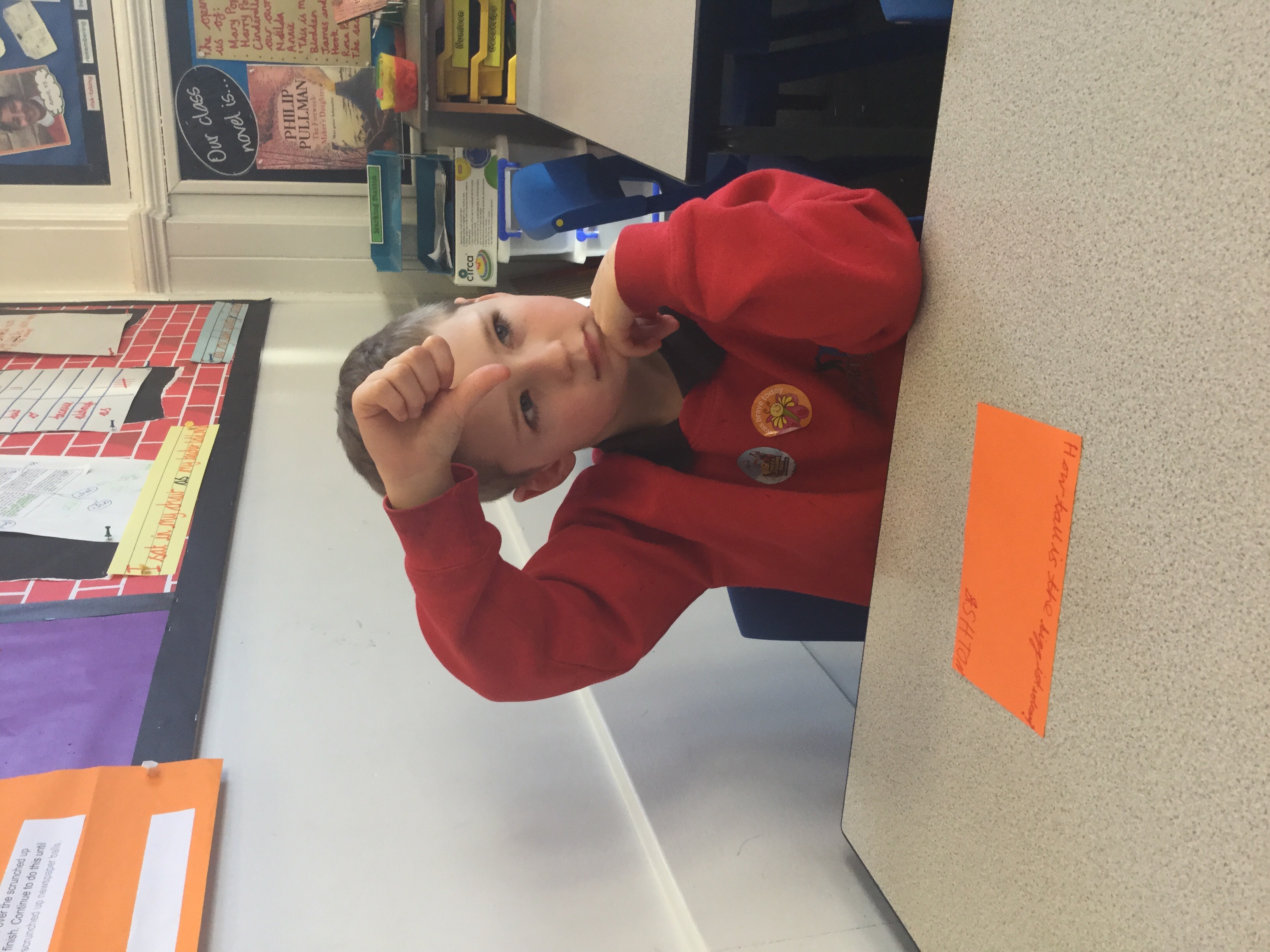
Great learning, Year 3!
Road Safety
On Monday, Year 3 kicked off Safety week with a road safety day. See some pictures, below.


We learnt about how to be safe when out and about. We also got to use our Green Cross Code skills again.
Can your child remember the Green Cross Code?
For some road safety online games to play, click here.
Living and Learning
Today, Year 3 and 4 discussed what consent is.
Daisy: “It’s when someone gives you permission to do something.”
Harman: “It’s when you need to ask your parents to do something.”
Edris: “Consent is when I have permission to get a snack from the kitchen from my mum or dad. I have to ask them for permission first.”
Billy: “Consent is something you have.”
This opened up lots more questions such as
- Do we just automatically have consent straight away if we have asked for permission?
- Are our parents the only people who can give permission to us?
- Do we have the right to give permission or not give permission?
We talked about the fact that we need to always ask for consent when our actions affect someone else. For instance we need to ask for consent when:
- Making physical contact with someone – even giving them a hug.
- We want to play on our parents’ computer.
- We want to take a photograph of someone.
We practised doing this by throwing a beanbag across the classroom and always asking for consent to do so from the receiver. We also saw how important it was to give someone time to think, make their mind up, give us their response and not pressure them to hurry up. We showed respect to those that said no by accepting that no means no and not ever ‘ask me again in 5 minutes time’.
Year 3 and 4 practised using their voice and not giving in to peer pressure and copying what their friends did – maybe they didn’t want to catch the beanbag. This applies in lots of situations – everyone (young and old) has the right to say no and be respected. We need to make sure we are actively asking and listening out to hear for permission to be given or not.
We talked about our right to change our minds. Just because we are used to receiving a hug from a friend or have always had our picture taken for class news posts, doesn’t mean we have to keep on giving consent. We can say no and not be questioned on this. It is our right. This includes with our class teachers and other adults. With this in mind, we discussed feeling nervous or guilty about saying no. We discussed that the more we got used to doing it – and taking that safe risk of just saying no – the easier it would become. We also shared that if we had any worries about this we could always talk to an adult or a teacher for some help.
Sun Safety
Today, as part of our themed week, the children learnt about the risk factors associated with the sun. On top of this, we also thought about all the benefits that sunlight provides us with.
It is very important that we know how to look after our bodies at all times. We do this from the inside with a balanced diet and exercise, but also from the outside with protective clothing and following health and safety rules. One thing that lots of people enjoy is being outside in the sun. It is important to understand that the sun can be damaging to our bodies if we don’t take precautions and protect ourselves from its powerful rays. The sun can be very strong even on days when it doesn’t feel very hot or there is a strong breeze in the air. We should take precautions at all times. As well as having harmful effects on unprotected skin, the sun can also benefit our bodies and can have a positive impact on our mood and other bodily functions.
We asked the classes to work in pairs and answer these given questions
Is the sun bad/good for you? 
Why do we need the sun?
This work formed a good link to our current Science learning ‘investigating light.’
“The sun is our biggest source of light.”
Did you know that it takes about 8 minutes for the sunlight to be seen on the earth after it has left the sun?
“In very bright weather it is dangerous to look directly at the sun without protective glasses.”


 After completing and discussing the children’s responses, we all enjoyed a ‘Sun Safety’ spot the difference activity. Can you find all twenty differences between the pictures?

Leeds City cross country finalists
***UPDATE Edris has qualified for the West Yorkshire final next month. ***
Congratulations to our cross country finalists, Edris and Billy, who have competed today at Temple Newsam against children from schools across Leeds.
Well done for showing great determination throughout your races.
Living and Learning – Police Community Support
As part of staying safe in our environment, Year 5 were visited by some Police Community Support Officers.


“If you’re worried about things at home, you can speak to these people and they will help.” – Nayaab
“If you’re being bullied, you can speak to them.” – Enas
“If people go missing, they can help find them and make them feel better.” – Poppy