
Spring term after-school clubs
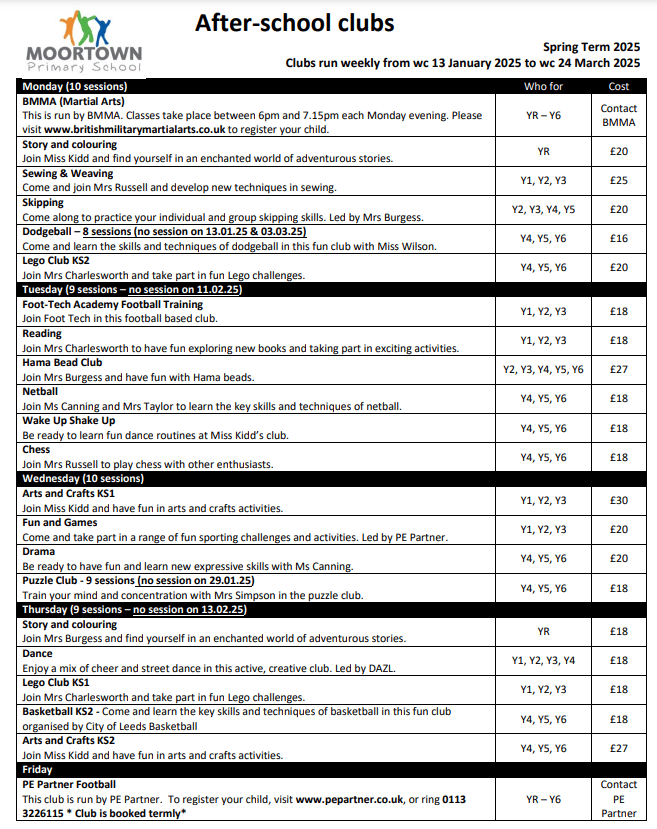
We’ve had a great first week to our after-school clubs. There are some places available on the following clubs if your child would like to join. Please refer to the letter below to show the relevant year groups.
Exploring habitats at Lotherton Hall!
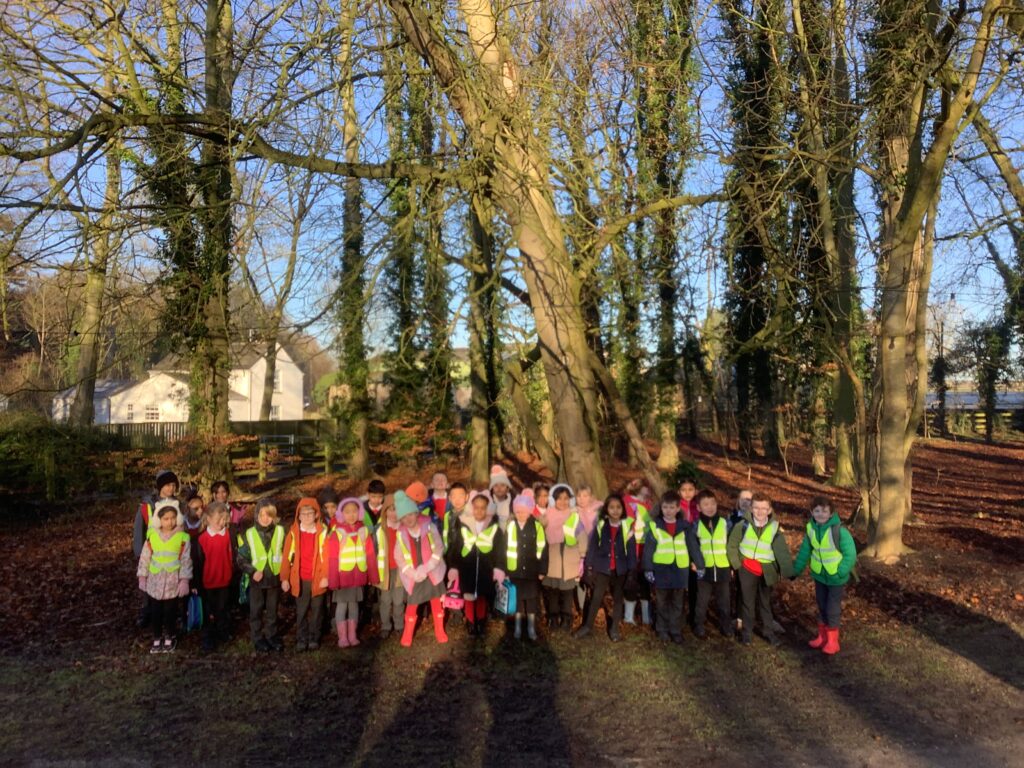
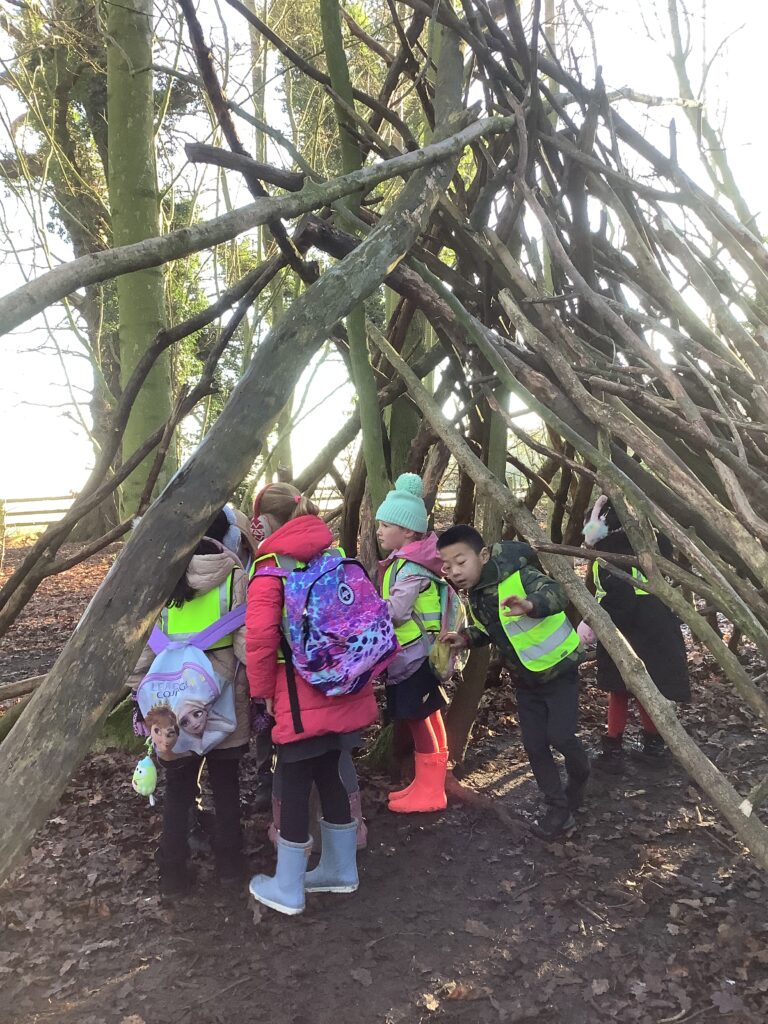
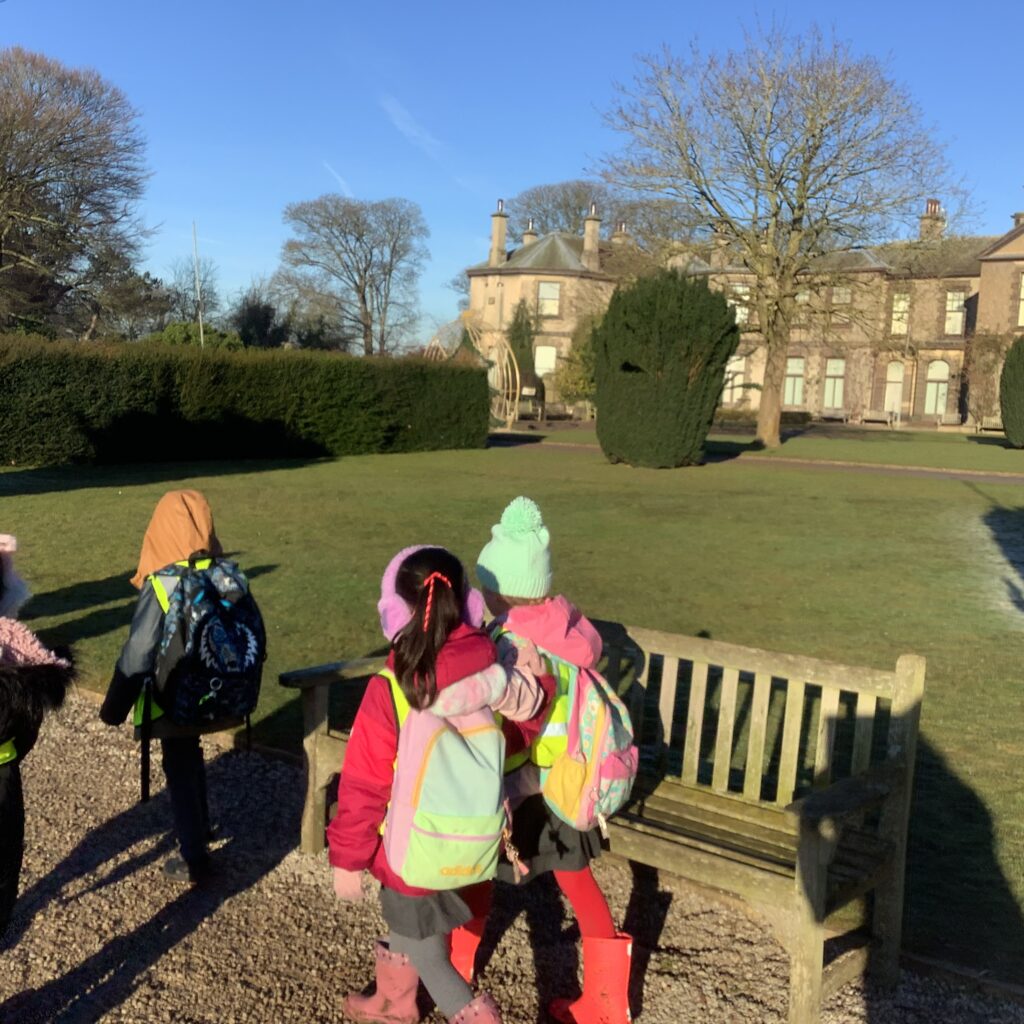
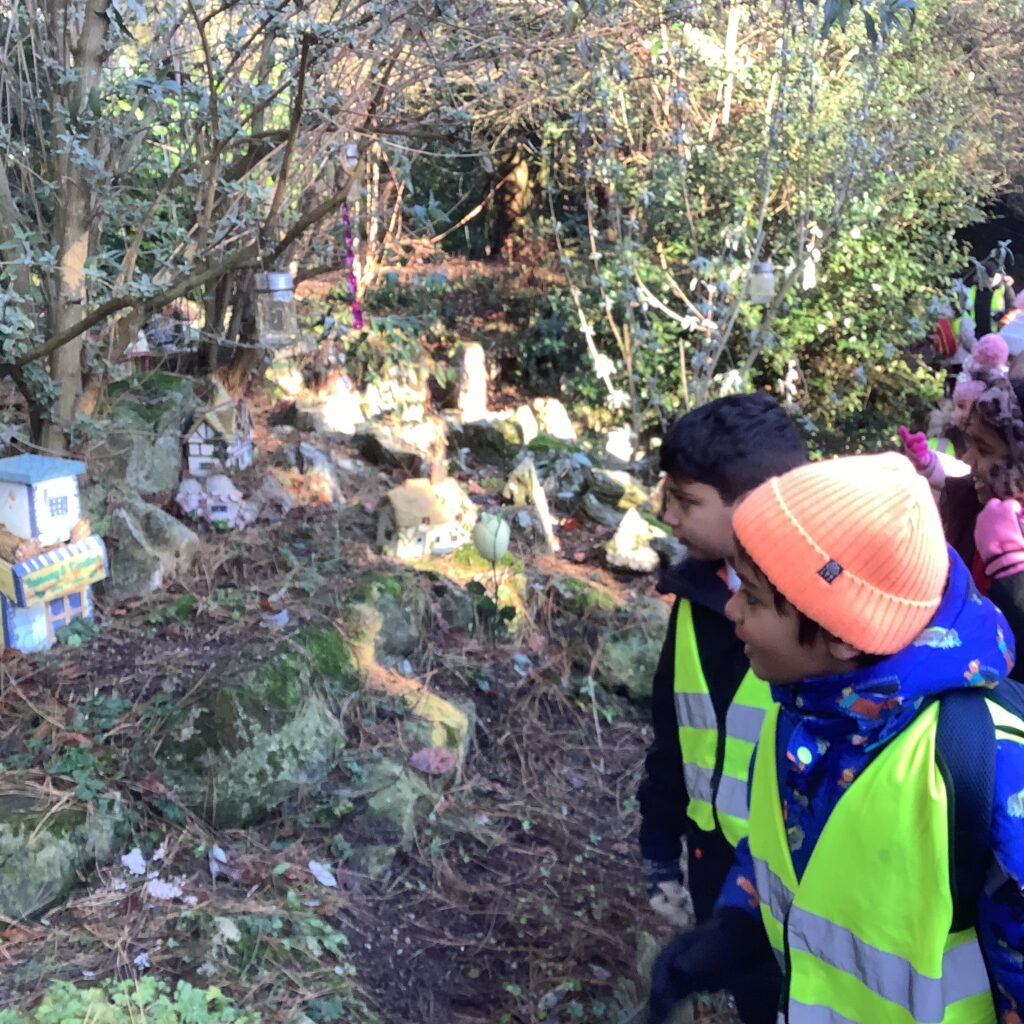
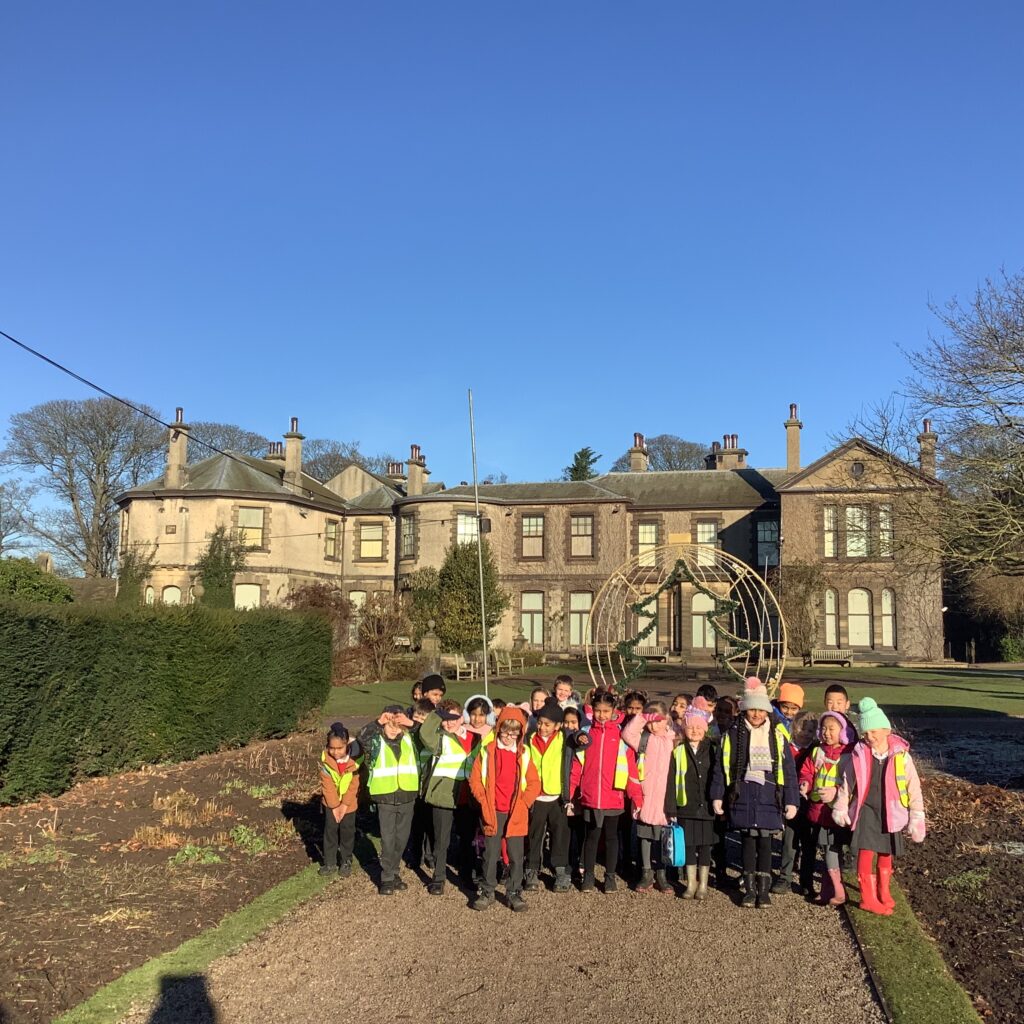
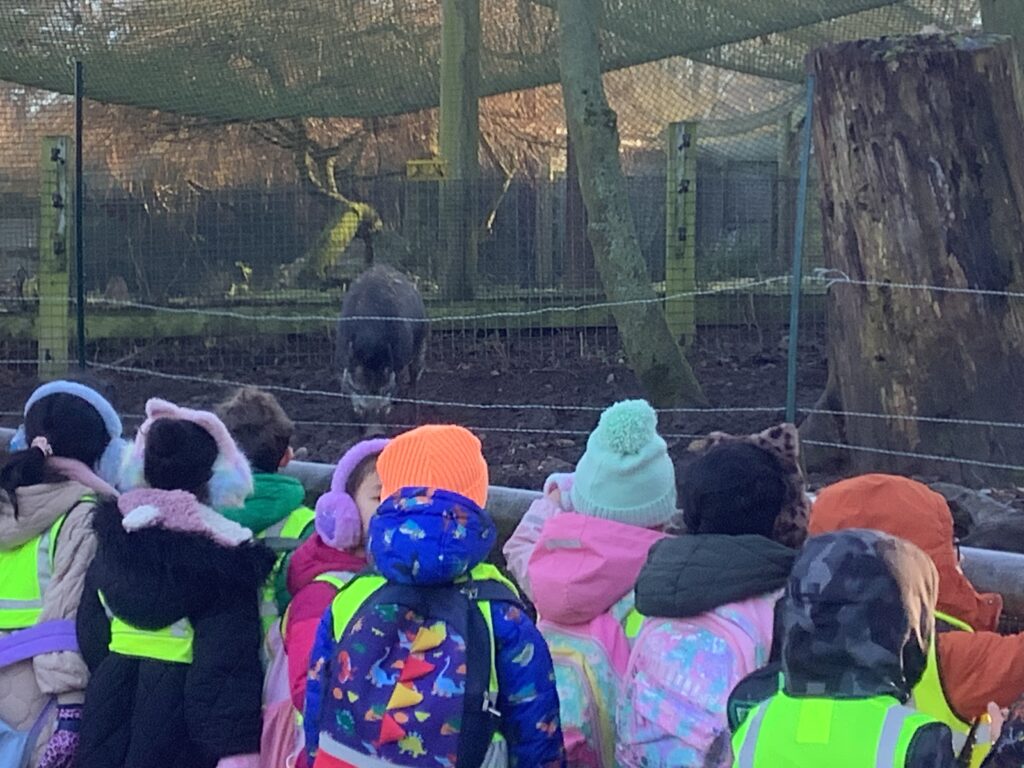
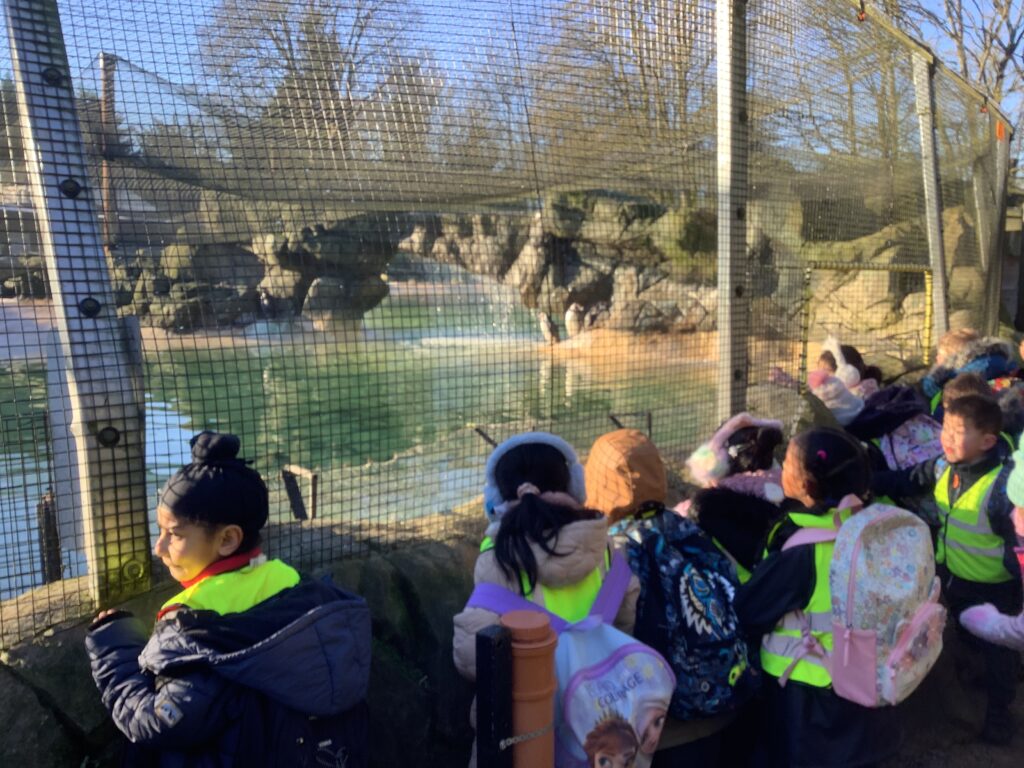
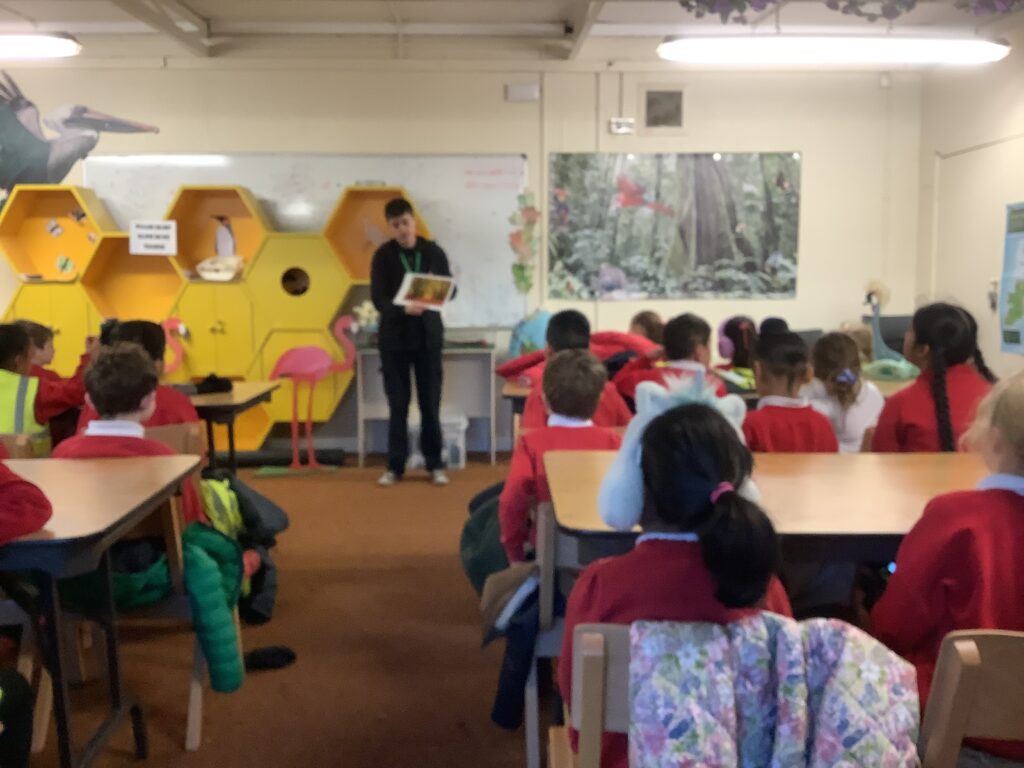
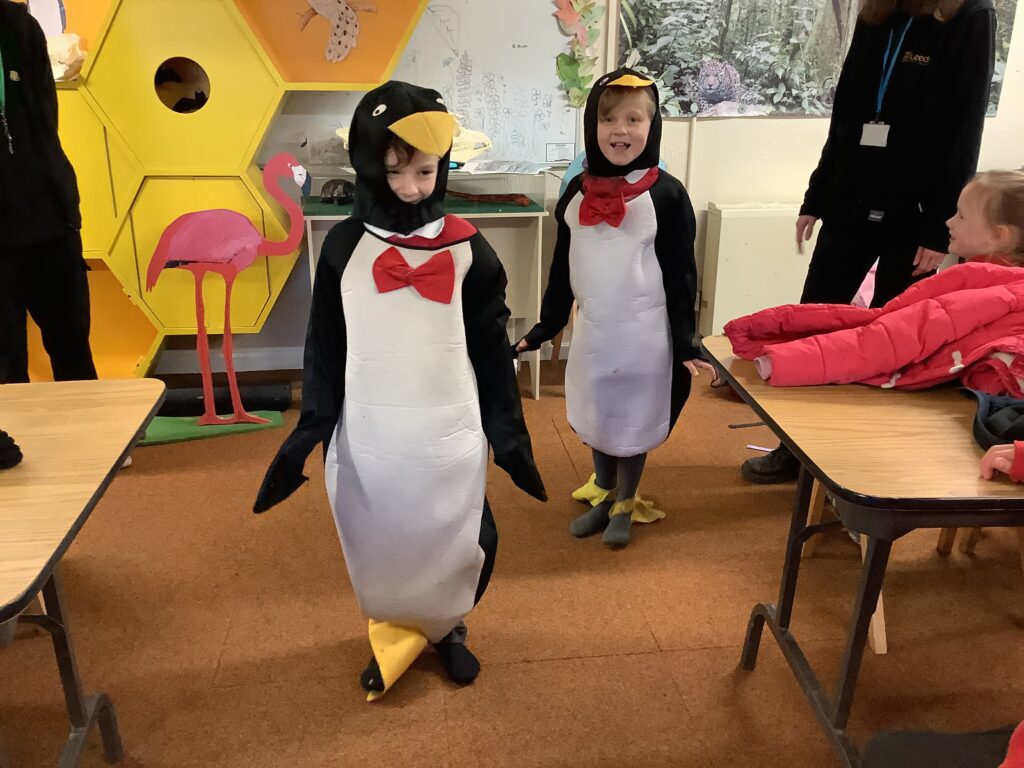
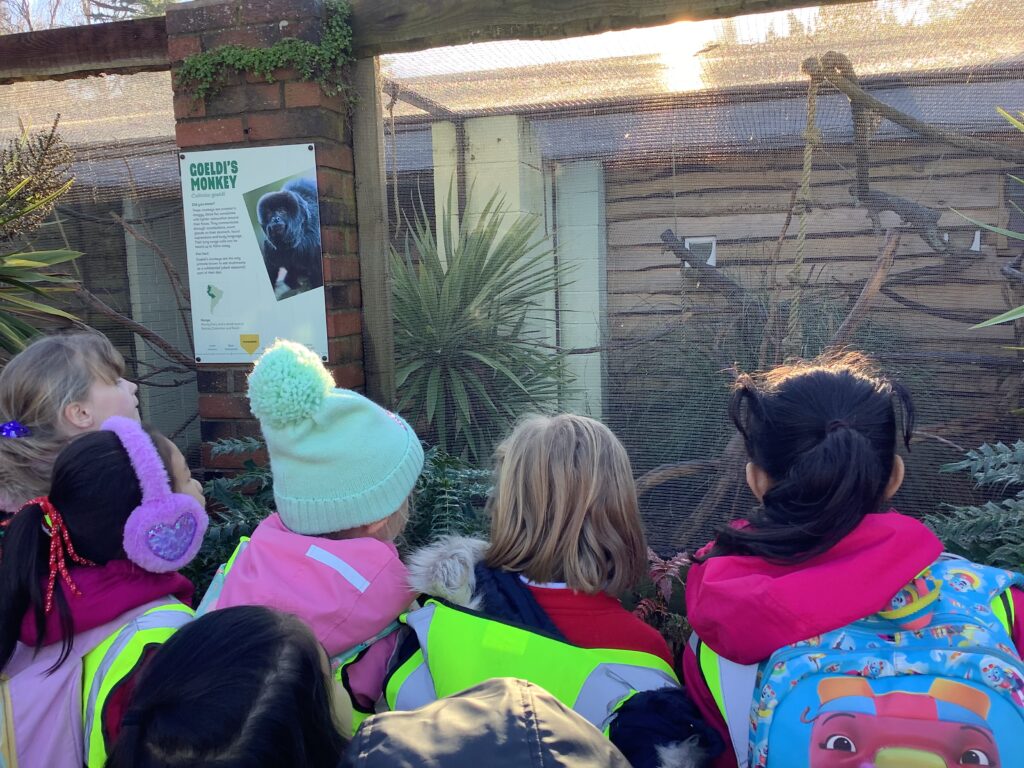
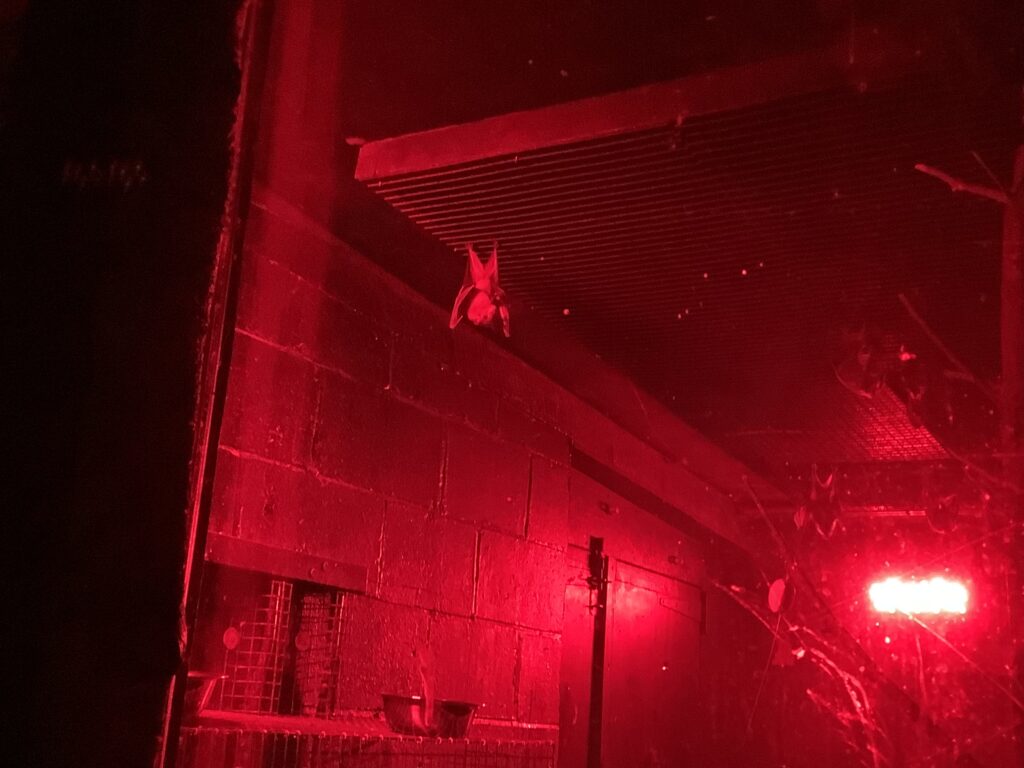
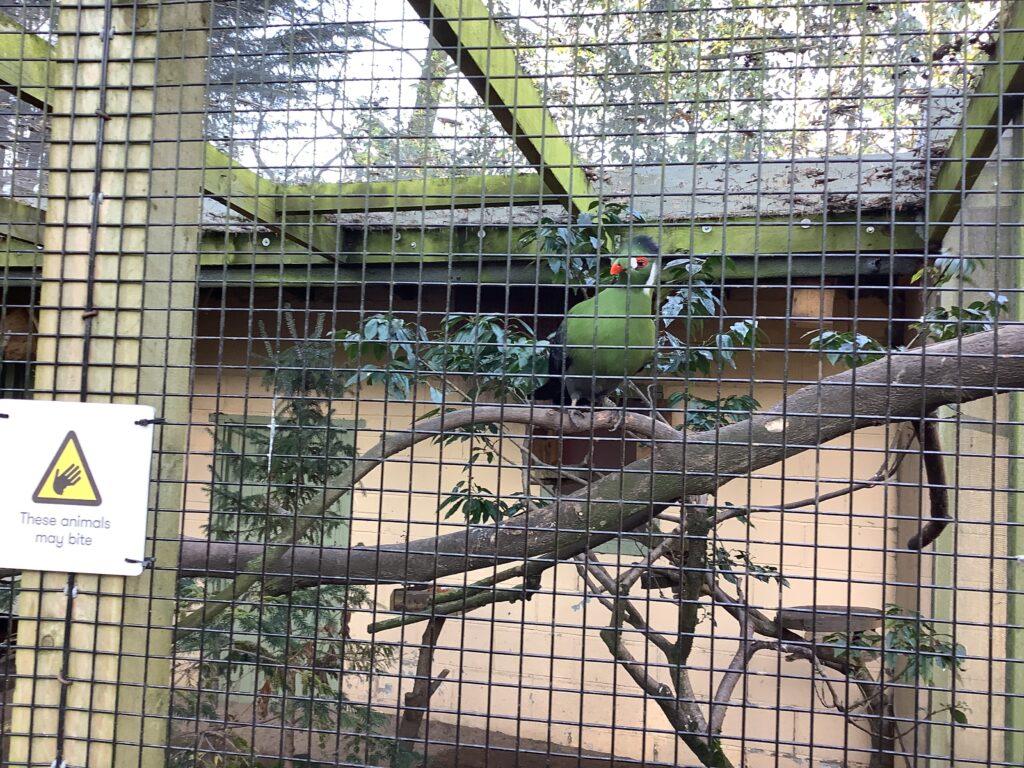
Today, Year two had a fantastic trip to Lotherton Hall to learn about animals and their habitats. Guided by the educational specialists, we explored different habitats and the animals that call them home.
We compared the skulls of a herbivore and a carnivore, noticing how their teeth are perfectly suited to their diets. The children were fascinated to learn that penguins have sharp tongues to help them grip slippery fish!




Help at Home by:
- Explore your garden or local park and talk about the animals and their habitats.
- Read books about animals and how they survive in the wild.
- Watch nature documentaries together
Maths: column multiplication
This week, Year 4 have started column multiplication! I’ve been so impressed with how quickly your children have grasped it.
We broke the process into three key steps:
1. Multiply the ones.
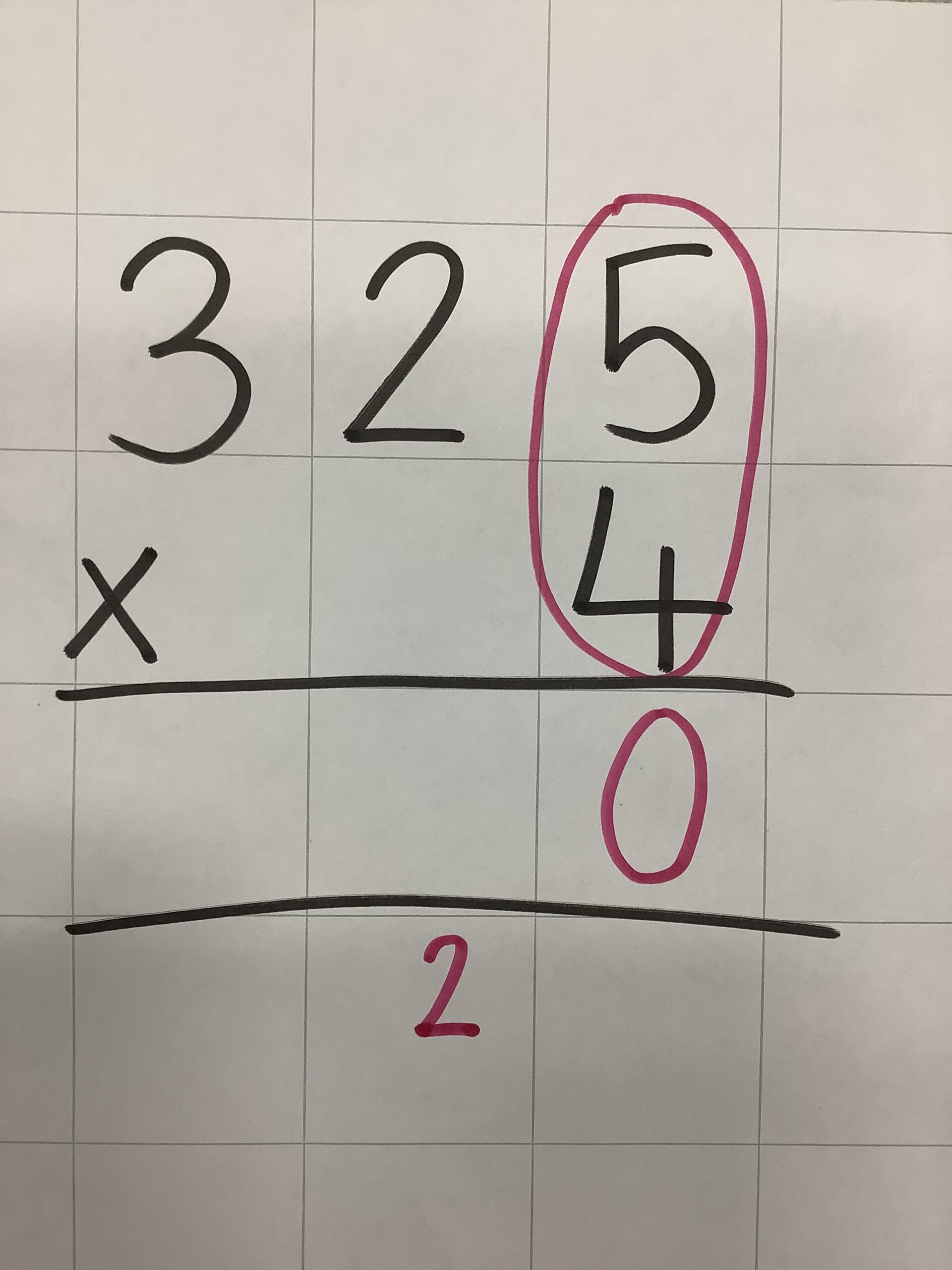
2. Multiply the tens and add any exchanges.
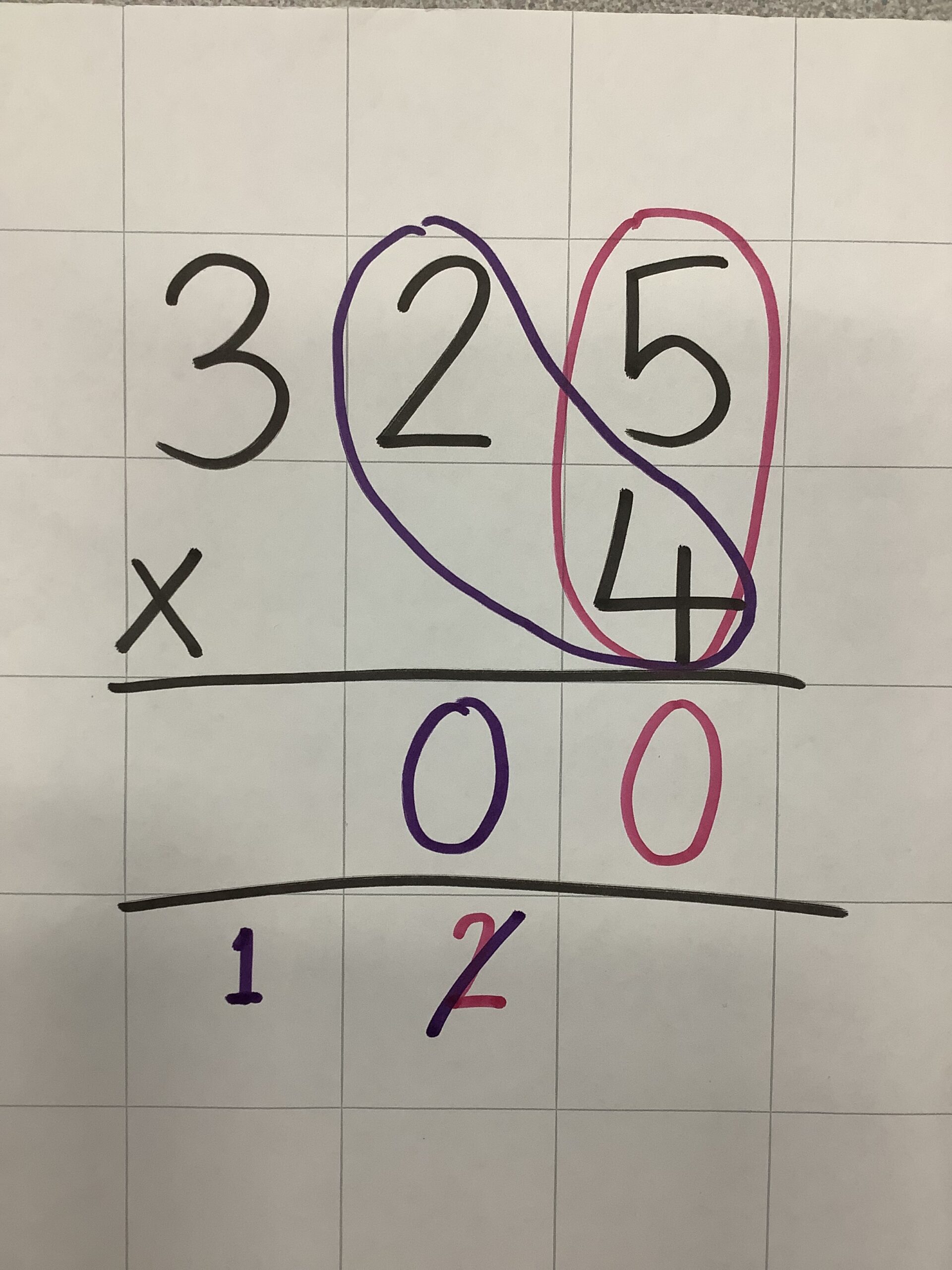
3. Multiply the hundreds and add any exchanges.
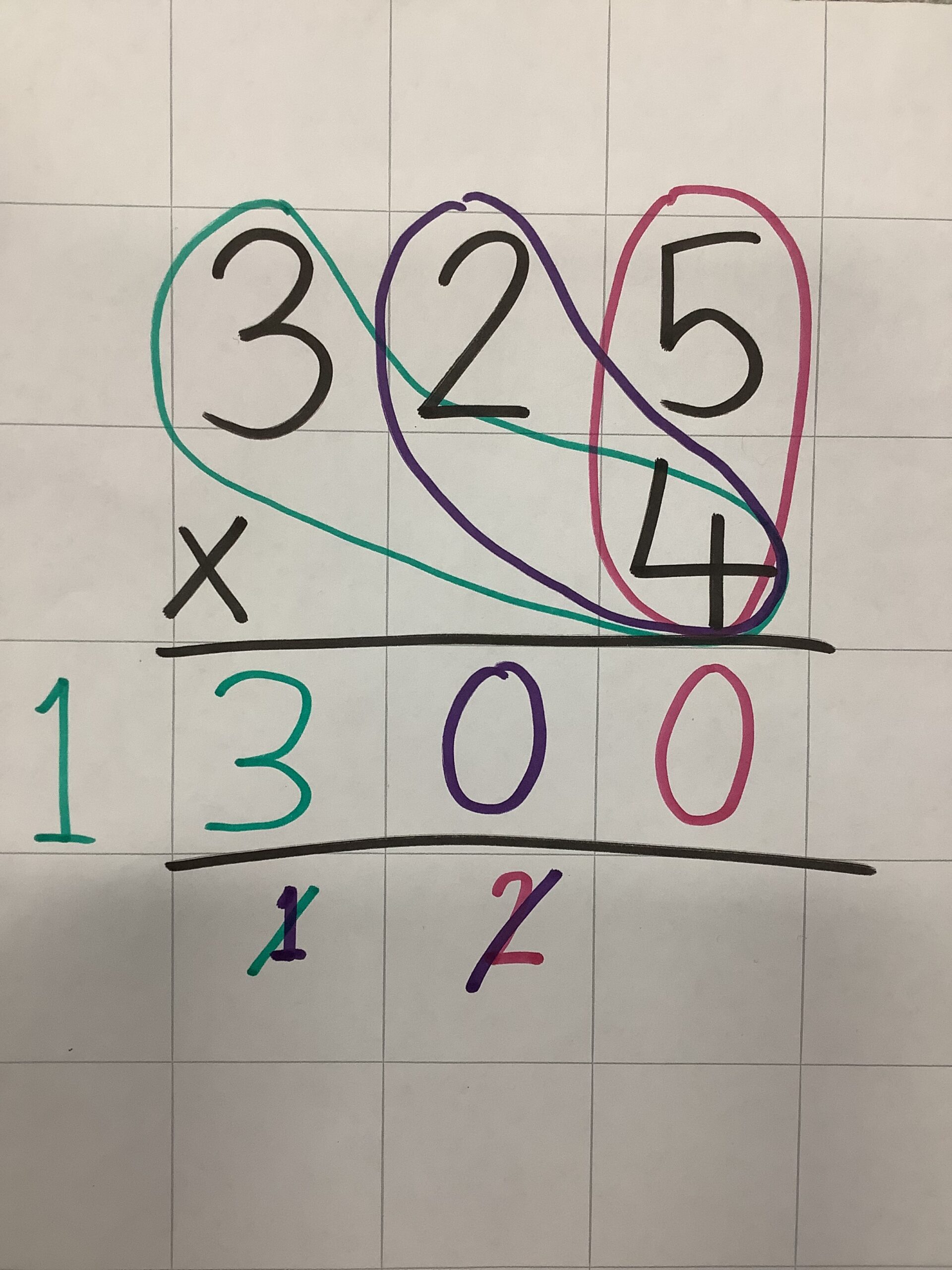
We’ve had a fantastic week in maths and look forward to seeing the children apply their column multiplication skills in worded problems next week!
Help at home: watch this video (column multiplication) of me showing you the column multiplication process and ask your children to complete these calculations:
- 532 x 7 =
- 283 x 9 =
- 538 x 3 =
- 379 x 4 =
- 247 x 9 =
Living and Learning: Drug education
For the past two weeks, we have been focussing on drug education. We defined a drug as ‘a substance that changes the way the body or mind works.’
Year 5 looked at what might influence a person to use drugs. They were asked to discuss what would most influence whether a person would use the drug. This is a group’s answer ranked with the most likely influence at the top.

They were then asked to rank what is mostly likely to influence someone not to use the drug. This was another group’s answer.

As this was group work, the children used their oracy skills of actively listening to others and respond respectfully as we know that people can have different opinions.
Knowing people can be influenced, we looked at the 3 different ways someone can respond to the pressure.

The children were given scenarios to read and asked to identify who or what the character is being influenced by and whether they are feeling pressure, including peer pressure (pressure from those around them). Then, consider the different ways the character could respond:
∙What would be an example of a passive response? For example, joining in with the group to feel included
∙What would be an example of an aggressive response? For example, shouting “no” and being rude to others
∙What would be an example of an assertive response? For example, saying a calm, firm but polite “no thanks”
Help at home: Read the scenario and discuss what would the 3 ways to respond be.

Living and learning: drug education
In our latest Living and Learning lessons, we’ve been learning about safety around medicines and household products.
We considered:
What are medicines?
What do they look like?
How are they used?
Why do people use them?
The children had lots to share about their experiences of taking different medicines and what they are used for.
Then, we considered safety rules at home and how to keep themselves and others safe.
Our medicines are in a high cupboard so my sister and I can’t reach them.
An adult has to give you medicine.
These things are kept in a locked cupboard in my house.
We then looked at some scenarios where we recognised the danger and suggested some ideas for what could be done to keep the people safe

The baby might drink the cleaner.
I would take the baby away.
I would tell a grown up straight away.

They are adult tablets and they should leave them alone.
They should have been somewhere where children can not get them.
Help at home: please reinforce this key safety message at home. Make sure your child is aware of possible dangers at home, such as medicines and household products, and how to seek help if they need it.
Writing: speech
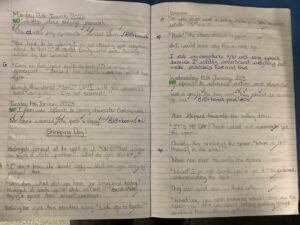
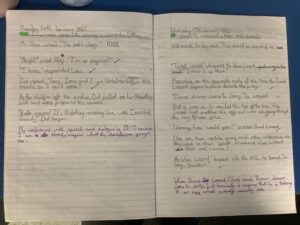
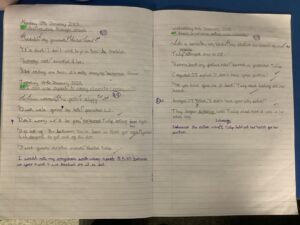
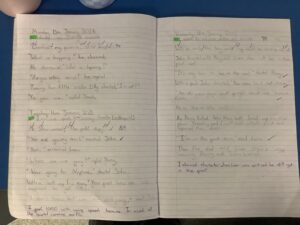
This week, we’ve been practising using speech punctuation in writing.
We’ve looked at the rules for writing dialogue (of which there are a lot!) before applying them ourselves.
We’ve also worked on some transcription – I read a sentence out to the class which contained speech and they had to listen carefully and write it down correctly. It’s a difficult skill but it was very helpful when we were learning about where each punctuation goes.
It was great to have a bit of freedom as well in our writing. We could choose to write about any two characters as long as we gave them completely different characters. It was fun!

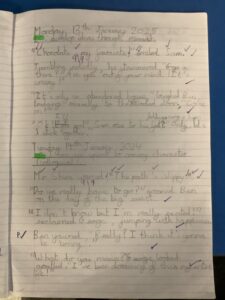
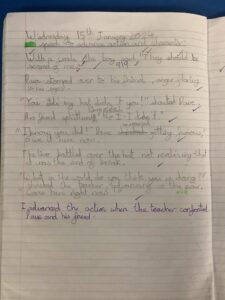
Help at home by looking out for the speech punctuation when you’re reading (every day!) at home.
Living and Learning: drug education
In our latest Living and Learning lessons, we’ve been learning about safety around medicines and household products.
We considered:
What are medicines?
What do they look like?
How are they used?
Why do people use them?
The children had lots to share about their experiences of taking different medicines and what they are used for.
Using different scenarios, we thought about what would be the best things to help. Sometimes a hug, some water, rest, a tissue or sleep can be enough to help someone feel better and medicine might not be needed.

One of the class talked about their inhaler medication – what it is used for and how they use it.
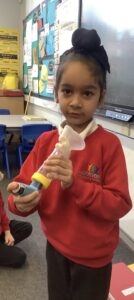
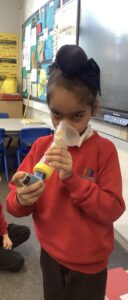
Then, we considered safety rules at home and how to keep themselves and others safe.
We sorted the following safety rules depending on whether they were true or false or if it depends on the situation.


We shouldn’t take someone else’s medicine. It is just for them.
Medicine should only be given by adults.

These might be tablets so they shouldn’t touch them.
They should tell an adult they have found them.
Help at home: please reinforce this key safety message at home. Make sure your child is aware of possible dangers at home, such as medicines and household products, and how to seek help if they need it.
Living and Learning: I know what a drug is.
In Living and Learning this week, we have been learning about drugs, alcohol and tobacco. In Year 3, we discussed what a drug is:
A substance that changes the way the body or mind works.
The children discussed what different drugs and their uses. Drugs can be medicines like Calpol (for children) or paracetamol (for adults). These drugs are helpful because they can make us feel better when we are feeling unwell.
However, it is still very important that we use these with caution.
Here are some of the top tips we thought of to stay safe around medicines at home:
- Always ask a trusted adult to help you take your medicine.
- Read the instructions on the back that tell you how much you should have.
- Keep them in a safe place and out of reach from really little ones! Lots of us said that they have a special cupboard somewhere high up or with a child lock.
- Only take medicines that belong to you. For example, never use someone else’s inhaler!
- Only take medicines if you are actually unwell.
Alcohol and tobacco are substances that also change the way our bodies or minds work.
We learnt that the law says, you must to be 18 or over to buy or use these substances because they are not safe for young children.
Help at home: Read these two scenarios and think of some sensible advice you would give to help.


L&L: I know what a drug is.
In Living and Learning this term, we are looking at drugs, alcohol and tobacco. In Year 4, we discussed what a drug is:
A substance that changes the way the body or mind works.
To begin this topic, we looked at a range of medicines and household products and spoke about their benefits.
Medicines can make us better when we’re ill.
Bleach is good for cleaning the toilet so we can be more hygienic.
Soap is really important so we can wash our hands and body properly.
Calpol can help if you’re in pain for something.
We then discussed the importance of staying safe when using these products. We identified the risks of these items and how we can reduce these. I was really impressed to hear so many brilliant suggestions for how we can always stay safe when using these products.
Always put medicines and cleaning products up high or locked up so children can’t touch them.
Never take medicine that isn’t given to you by a doctor or a trusted adult.
Wear gloves when using bleach.
Always read the label on medicine to make sure you’re using it safely.
Help at home: talk about some household products or medicines you have at home and how you make sure you’re always using these safely.
Yogi says, Yogi do!
This half term’s PE is yoga and dance…
We begin with a breathing exercise.
Bear breath: Breath in for 5, hold for 3, breath out of 5, hold for 3.
Warm up with ‘Yogi Says’! (It’s the same as Simon Says.)
Yoga poses with a partner… it’s all about trust.
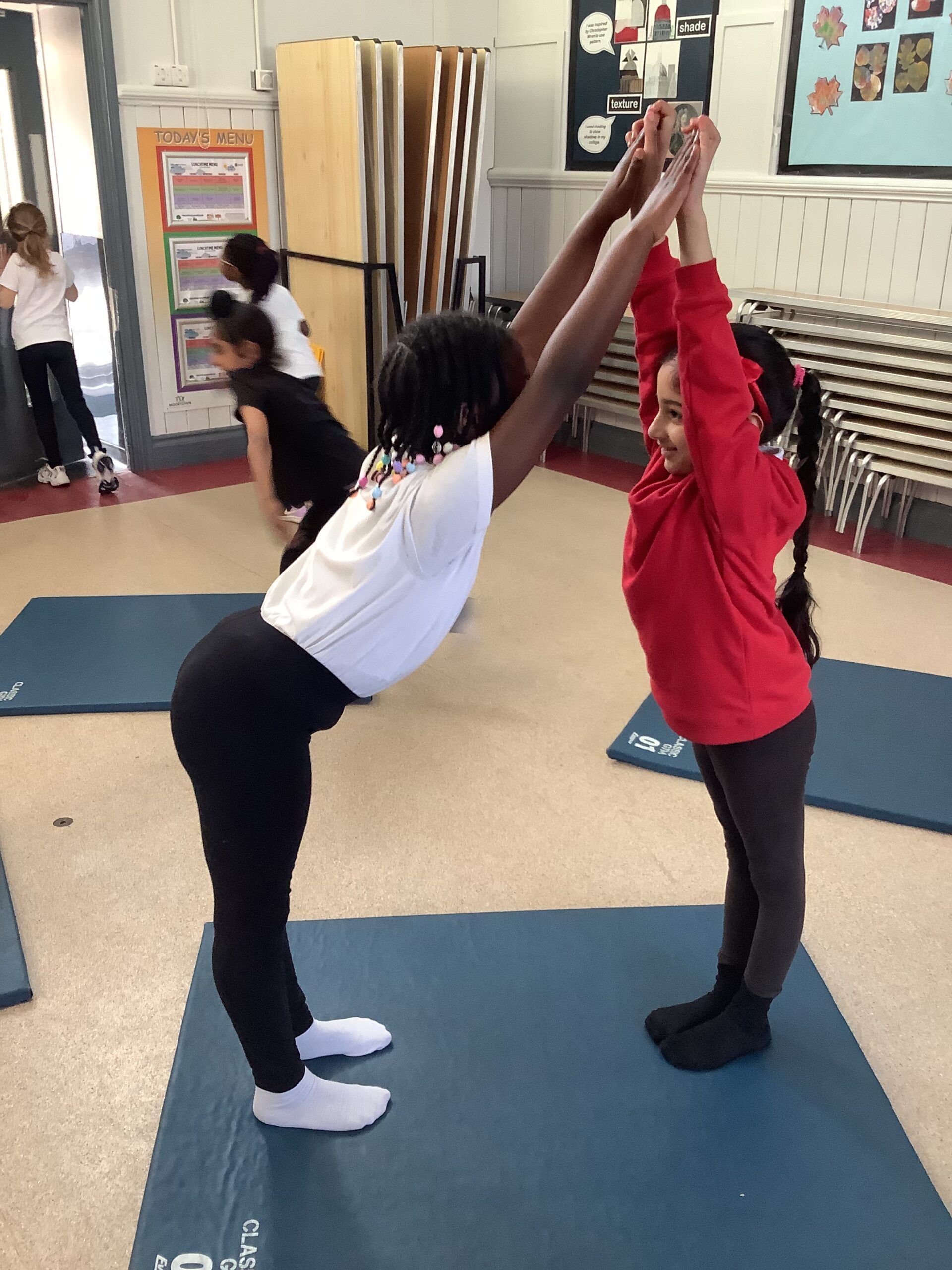
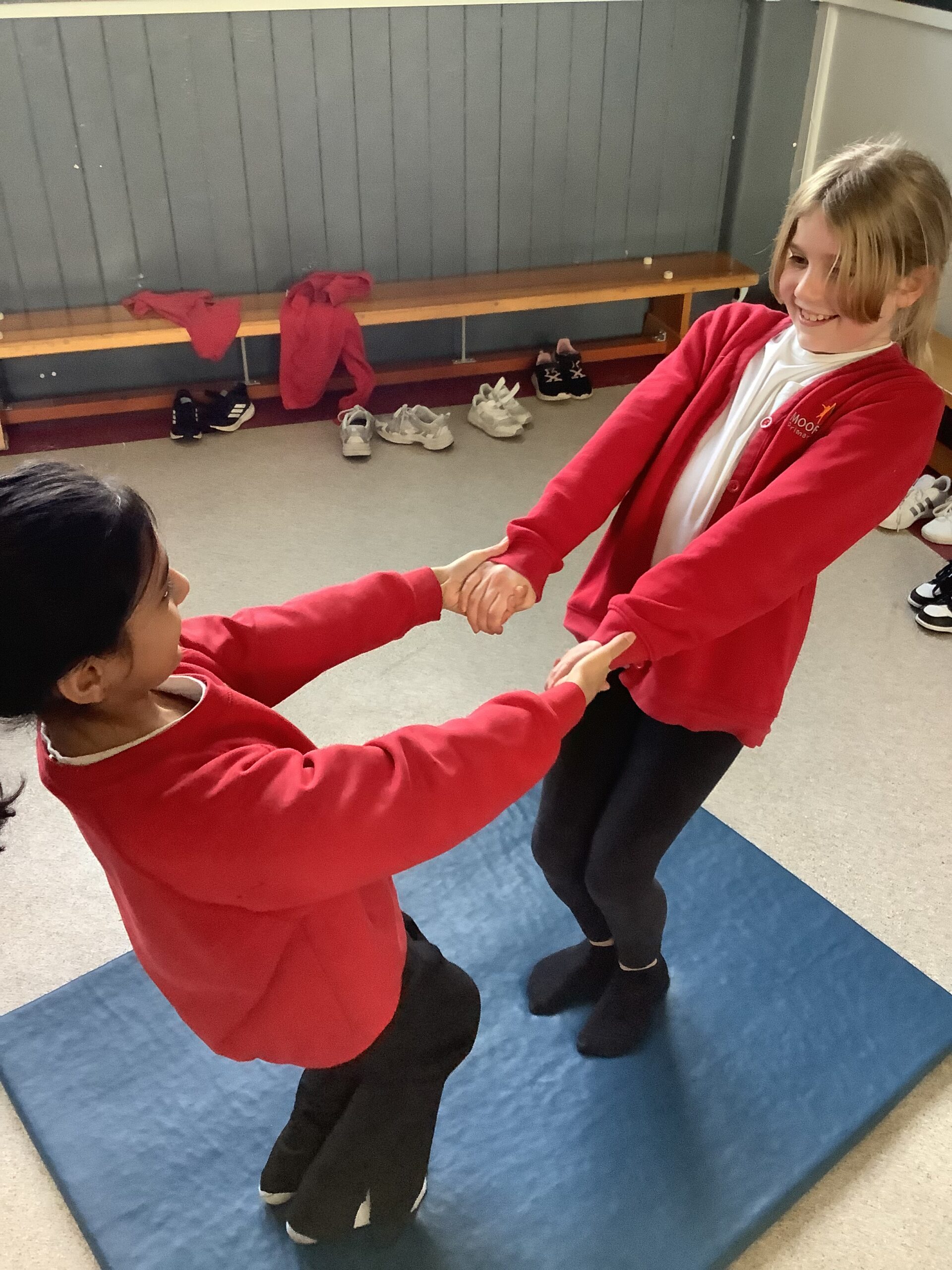
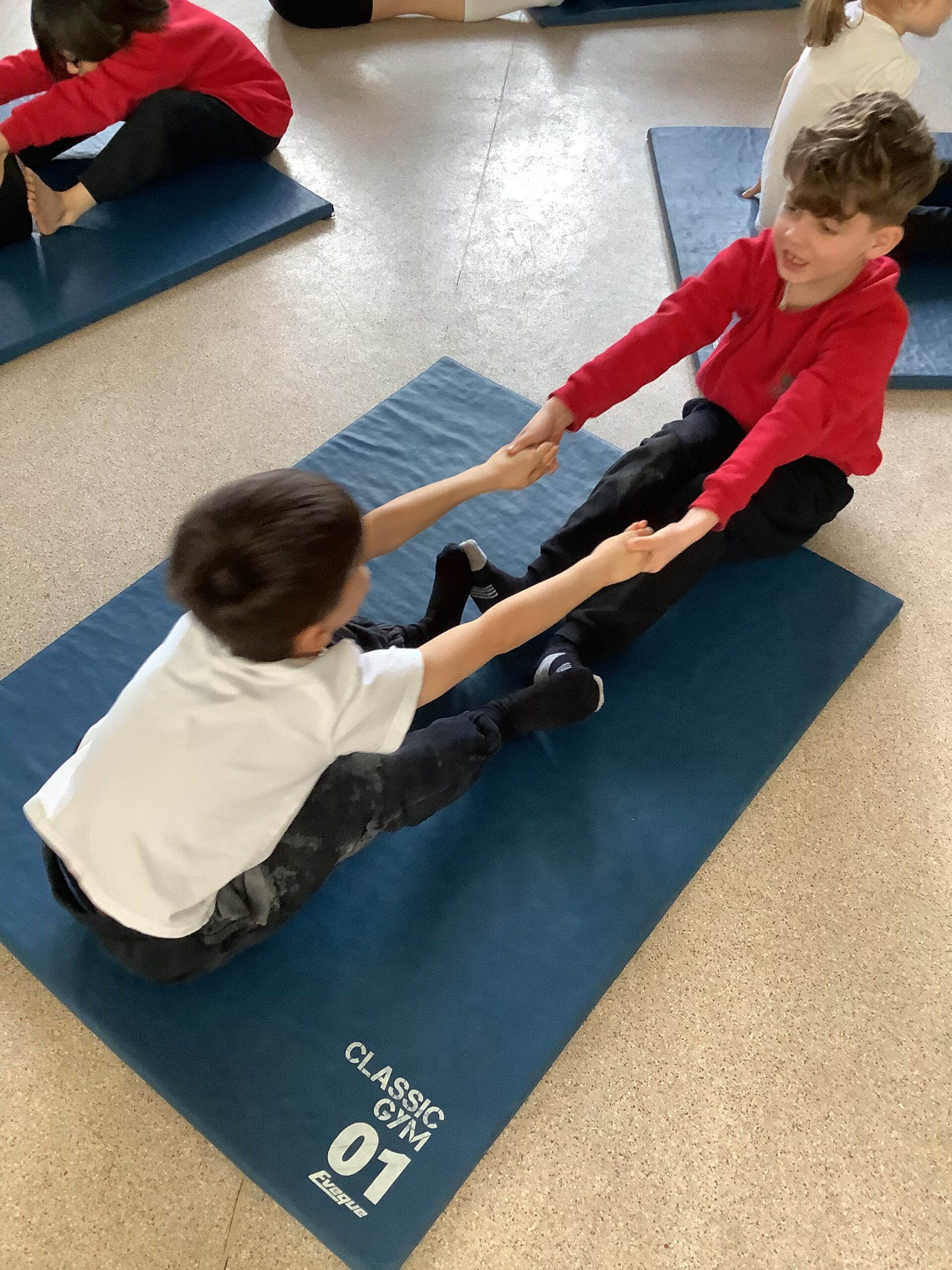
End with a guided meditation: Lay down, close your eyes and pretend you are outside. You hear a rustling in the bush. There is an animal. It’s there to help you, listen to you and give you advice. Share your worries.
Help at home by trying this yoga routine just like we did in school! How do you feel before? How do you feel after?