
Our weekly message: Friday 12 June 2026
You’ve still time to complete our parent/carer survey – it closes on Monday at noon. We really want to hear your views, especially about mobile phones in school.
Near the start of each half-term, we like to give you an overview of the topic in Key Stages 1 and 2…
What is this half-term’s topic?
Design and Technology is the driving subject for this half-term. It’s a great topic to finish the year! The focus for all classes this year is textiles (next year, it’s construction). Children will be busy designing and making products using fabric.
A key aspect of the Design and Technology curriculum is the understanding that products don’t just get made. Instead, they go through a design process that includes three key elements: evaluate, design and make. Think of this process as a cycle. For example, Sphere Motors want to create a new family car. Before the car is made, they need to evaluate existing products and talk to customers so that they’re clear about what the new car needs to have. They will then design the car and evaluate those designs. They may make a prototype of the car to help them evaluate the designs. Next, they’ll decide on a final design that will go into production and get made. This finished product will be evaluated and the whole process starts again.
Each phase has age-related specific knowledge, skills and vocabulary that they’ll learn, use and apply across the topic. See page 14 and 15 of the Topic Curriculum Guide.
Each phase has age-related specific knowledge, skills and vocabulary that they’ll learn, use and apply across the topic. See page 14 and 15 of the Topic Curriculum Guide.
Each phase has age-related specific knowledge, skills and vocabulary that they’ll learn, use and apply across the topic. See page 14 and 15 of the Topic Curriculum Guide.
Years 1 and 2
The product the children will be designing, making and evaluating is a hand puppet. They’ll start by learning about the design process before looking at and evaluating existing hand puppet products. They’ll then learn to use an over stitch and practise threading needles and tying knots. Following this, they’ll be introduced to all the materials they can use to create their puppet. Once they’re familiar with the materials, they’ll design their puppet. Next, it’s on to the making stage. They’ve already honed their sewing skills so they should be confident making and then decorating their puppets according to their designs. Finally, it’s evaluation time: children will compare their designs to their finished products. They’ll reflect on successes and things they’d do differently next time.
Years 3 and 4
The product the children will be designing, making and evaluating is a pouch. The function of this pouch is entirely up to them. It could be used to store some pens, trading cards, a shell collection. Children can be as creative as they like – as long as the pouch can be made using a 20cm² piece of felt!
Before they begin to design their pouch, they’ll learn about a famous designer and how they became a designer. They’ll also learn some important skills that a designer needs to have. Children will then evaluate existing pouches, with a focus on fastenings, and then design their pouch. They’ll practise their sewing skills, becoming proficient using a running stitch. They’ll then begin to make their pouches. First, they’ll create a template which they’ll use to cut out the pieces. Next, they’ll join the pieces using their running stitch and create a fastening for their pouch. Finally, they’ll evaluate their designs by comparing them to their designs, testing whether they’re fit for purpose and reflecting on their successes and areas to improve.
Years 5 and 6
The product the children will be designing, making and evaluating is a cushion. However, before they get stuck into their cushion, they’ll learn about some designers who changed the world. They’ll learn about their creations and their impact and look for things that link the designers. Following this, children will learn about the importance of design criteria when designing a product. After this, they’ll be practising their sewing skills and develop their skills in using a running stitch and possibly a backstitch. Next, they’ll evaluate existing cushions to get inspiration for their designs. They’ll then decide on the specific design criteria for their cushions and create their designs using an annotated sketch, detailing the dimensions of their product. They’ll learn about the importance of using sustainable materials when researching the filling used for their cushion (the plan is to use old, unwanted pieces of fabric to stuff the cushions rather than Polyfill so please have a look through your wardrobe and keep hold of any old t-shirts or other clothes as we’ll need them later in the half-term).
Children will use a template to cut out the shapes, use a running stitch or backstitch to applique decoration to their cushion before finally sewing the pieces together and stuffing them. The final stage is to evaluate the designs against the design criteria.
How can you help?
Talk to your child about what they’ve been learning in class. The Class News page of the school website is a good place to go to find out more about what the children are doing.
The school library and local libraries will have some books about Design and Technology which your child will be able to borrow and develop both their reading skills and design knowledge.
Finally, there’s a lot of programmes on CBBC and CBeebies with a Design and Technology focus:
- Bitz and Bob
- Grace’s Amazing Machines
- Junk Rescue
- Maddie’s Do You Know?
- The Dengineers
Finally this week…
Two of our Y5 friends visited the Civic Hall to take part in the Leeds Children’s Mayor Summit. As well as learning some sign language and visiting the council chambers, they also met the Lord Mayor and Sienna, the current Leeds Children’s Mayor.

 A great day with some very different experiences!
Our weekly message: Friday 05 June 2026
We hope you enjoyed a happy and healthy half-term break, whatever you and your family got up to.
Just before the half-term break, we had our Staying safe themed week. During this, all classes learnt important knowledge around water safety. To emphasise this and in light of recent events in the warmer weather, here are some top tips for keeping children safe around water.
This week’s message continues with a couple of reminders…
Your views matter
There’s still time to complete our whole-school parent/carer survey. This year, as well as questions closely related to what Ofsted might ask, we’re asking a few extra questions about mobile phones – we really want to hear your views.
Complete the Moortown Primary survey here. The closing date is Monday 15 June at noon.
Relationships and Sex Education
In the first three weeks of this half-term, children in Years 1 to 6 are taking part in Relationships and Sex Education (RSE) lessons. Please be assured that RSE is delivered at a level appropriate to both the age and development of pupils. Lessons are led by children’s class teacher and take place in a safe learning environment.
Please check out these sections of our RSE policy:
- Section 9 provides a list of the vocabulary that will be used (pages 7 and 8)
- Section 11 includes an overview of the topics that will be covered (page 11 includes a table to show the learning across each year group)
If you’d like to find out more, discuss any concerns, or speak to someone in more detail, please contact your child’s class teacher or Mrs Weekes.
Staying safe on our roads
Sadly, not everyone parks their car safely or respectfully. If you’re aware of an ongoing problem, make your views heard: please report it to Leeds City Council. There are various options, including:
Attendance matters
The national attendance rate for primary schools is 94.9%. Moortown Primary’s attendance rate is 96.3%, well above the national figure. Thank you for helping to make sure your child is in school as much as possible.
Our weekly message: Thursday 21 May 2026
This week’s message is a day earlier because of the training day tomorrow.
Your views matter
Every year, we invite you to complete a short survey. Your views matter. They help to shape what we do in the forthcoming year(s).
This year’s survey features a series of questions closely related to what Ofsted might ask parents during an inspection. Towards the end, we’re asking just a few extra questions about mobile phones – we really want to hear your views.
Complete the Moortown Primary survey here. We’ll send a few reminders before the closing date, which is Monday 15 June at noon.
It’s worth bearing in mind that if you raise in the survey something very specific that needs to be addressed, we can’t easily act on this without your child’s name. In fact, the survey isn’t the best place to raise individual, specific concerns – hopefully, you’re comfortable to speak with your child’s class teacher or Mrs Weekes about these instead.
You said, we did
Last year, you told us you’d like food offered at breakfast club. We now offer breakfast (non-sugary cereals; toast or crumpets; yoghurts; fruit). Linked with this, we’ve extended times in breakfast club: we now start half an hour earlier in the morning. This change has been welcomed by parents and wraparound care is well attended.
Last year, some of you also expressed some concern around some of the food served at wraparound care. A school leader has now attended training about food standards and the offer of food is gradually changing over time, with more nutritional snacks offered.
Last year, you told us you’d like children to use The Green more often. We now have a Trim Trail (courtesy of PTA) to create different experiences in that area. The introduction of Forest School has also expanded ways that the children can explore the outdoors and has given more opportunities for play without structured equipment eg building dens; rope swing.
School meals prices
To enable Catering Leeds (our school meal service provider) to ensure the financial sustainability of the service, we’ve been informed that, unfortunately, school meal pri
From September, the price of a school meal for children in Years 3, 4, 5 and 6 will be £3.20 per day. (Children in Reception, Year 1 and Year 2 will continue to receive Universal Infant Free School Meals.)
As you’ll no doubt have heard in the news, school budgets are becoming increasingly tight. We have no choice but to pass on the cost increases to parents/carers, to ensure we have as much money as possible for teaching, learning and providing a varied curriculum for our children.
Relationships and Sex Education
Nationally, all primary schools are required by law to teach Relationships Education and Health Education. In Sphere Federation schools, we’ve provided RSE lessons successfully as part of Living and Learning for many years.
In the first three weeks of Summer 2, children from Year 1 to Year 6 will take part in Relationships and Sex Education (RSE) lessons. Please be assured that RSE is delivered at a level appropriate to both the age and development of pupils. Lessons are led by children’s class teacher and take place in a safe learning environment.
In the latest update to the statutory guidance for Relationships, Sex and Health Education, we welcome the inclusion of correct terminology for body parts, including genitalia. This reflects established best practice when it comes to giving children the knowledge they need to stay safe, including the ability to identify and report signs of abuse. We’ve been teaching the anatomical names for body parts for many years.
We refer you to these sections of our RSE policy:
- Section 9 provides alist of the vocabulary that will be used (pages 7 and 8)
- Section 11 includes anoverview of the topics that will be covered (page 11 includesa table to show the learning across each year group)
We know that you may have some issues / concerns. If you’d like to find out more, discuss any concerns, or speak to someone in more detail about the teaching and learning planned for this important aspect of your child’s education, please contact your child’s class teacher or Mrs Weekes.
Similarly, you have the right to request that your child be withdrawn from some or all of the lessons that can be regarded as ‘sex education’. For our school, this comprises lessons in Year 6 on what human reproduction is and how babies grow. Please see the government’s factual guide to RSE for parents: Understanding Relationships and Health Education in your child’s primary school: a guide for parents. If you wish to withdraw your Year 6 child from RSE, please contact Mrs Weekes to discuss the matter. (See page 6 of the RSE policy for more information about your right to withdraw your child.)
We’re committed to working in partnership with parents. Parental feedback indicates that the overwhelming majority of parents are highly supportive of our Relationships and Sex Education programme.
Staying safe
This week has been our Staying Safe themed week in school.
The Junior Leadership Team were busy on Monday making sure The Green is safe. They looked at all the different areas with Mrs Weekes and created a risk assessment so that The Green can be used safely by everyone. They then tested the trim trail to make sure it was safe!

One of the most important ways to help your child stay safe is when they’re online. Gov.uk has a site dedicated to online safety for children. Find practical information from trusted places to help you feel more confident on the steps you can take to protect your child online.
Have a happy and healthy half-term.
Our weekly message: Friday 15 May 2026
First this week, a big well done to our Year 6 pupils. This week has been SATs week. It can be a tough week, but the children have approached the week with a happy and healthy attitude.
Next week…
It’s World Baking Day on Sunday. Celebrate by baking and bringing your treats into school for a PTA Bake Sale on Monday 18 May.
It’s our Staying Safe themed week. Due to the rising costs of visitors to school, we’re asking for a voluntary contribution of £2 per pupil to go towards paying for visitors. This can be made on Arbor. Thank you for your support with this.
Talking about staying safe…
Does your child have a squishy, squashy toy?
We’ve heard of reports that children and young people are microwaving squishy silicone toys after seeing online videos claiming this makes the toys softer and more pliable. When the toy is squeezed afterwards, it can burst and spray boiling material – this can lead to children’s hands and faces being seriously burned.
We’ve two pieces of advice…
- Obviously, don’t allow your child to use a microwave to heat up any toys like this.
- Make sure you supervise your child if they’re online so you can review messages such as this one.
Are you struggling to get your child to see a dentist?
The Leeds Dental Institute Student Clinic has introduced a scheme in which they’re accepting parental referrals for children to receive a course of treatment. This means they’re able to offer appointments to children on
a first-come first-served basis. (It’s not intended for emergency treatment.)
Find out more and access the referral form.
The Big Future
It is the Children’s Commissioner’s role to promote the views and interests of children in England. To build on two previous surveys (The Big Ask and The Big Ambition), she’s launched her final survey: The Big Future.
I am asking children about the changes they want to see in their communities, their biggest concerns, and their hopes for the future. More than anything, I want to know what they think a good childhood should look like today.
Your child can complete the survey here.
Family hub support
Family hubs are support families by bringing together a range of services into one easy-to-access space. Whether you need parenting advice, health support, education guidance, or help navigating local services, family hubs might be able to help.
You can drop in during opening hours or contact your nearest family hub to schedule an appointment. Some services may require booking in advance, so it’s best to call ahead if you need a specific service.
Call 0113 535 0185 or email family.hubs@leeds.gov.uk to find out more.
Have a happy and healthy weekend.
Holiday Clubs in school
PE Partner OFSTED registered May half-term & summer holiday clubs
PE Partner are back with their holiday clubs, giving children the chance to enjoy active, exciting and positive days during the school holidays.
Their holiday clubs are designed to keep children moving, smiling and engaged, with a fun mix of sports, games, challenges and creative activities.
They’re a brilliant way for children to burn off energy, build confidence, make new friends and enjoy time away from screens in a safe and supportive environment.
Whether your child loves football, dodgeball, team games, creative activities or simply being part of a fun and friendly group, PE Partner holiday clubs offer something for everyone.
May half term and summer holiday club dates are available, including wraparound hours from 8am to 5pm.
Places can fill quickly, so parents are encouraged to take a look at the clubs available nearby and secure their child’s place early.
Book here:
https://pepartner.coordinate.

Our weekly message: Friday 08 May 2026
Now that we’re into the Summer term, please remember to make sure your child is protected from the sun: sun cream, hat, plenty of water.
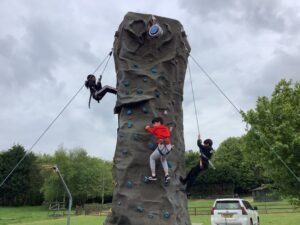
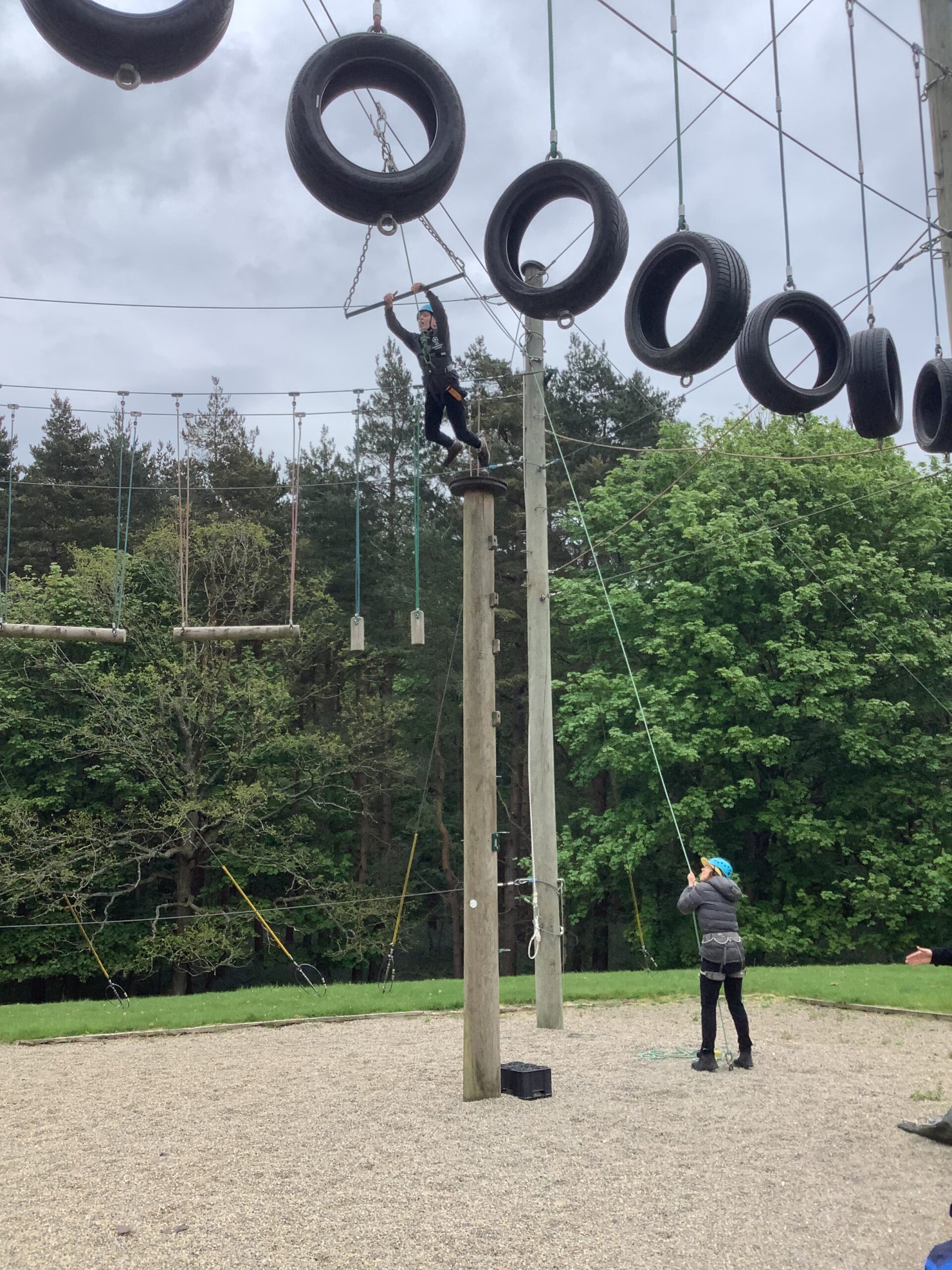
We hope our Year 4 children enjoyed their residential to Herd Farm which was this week.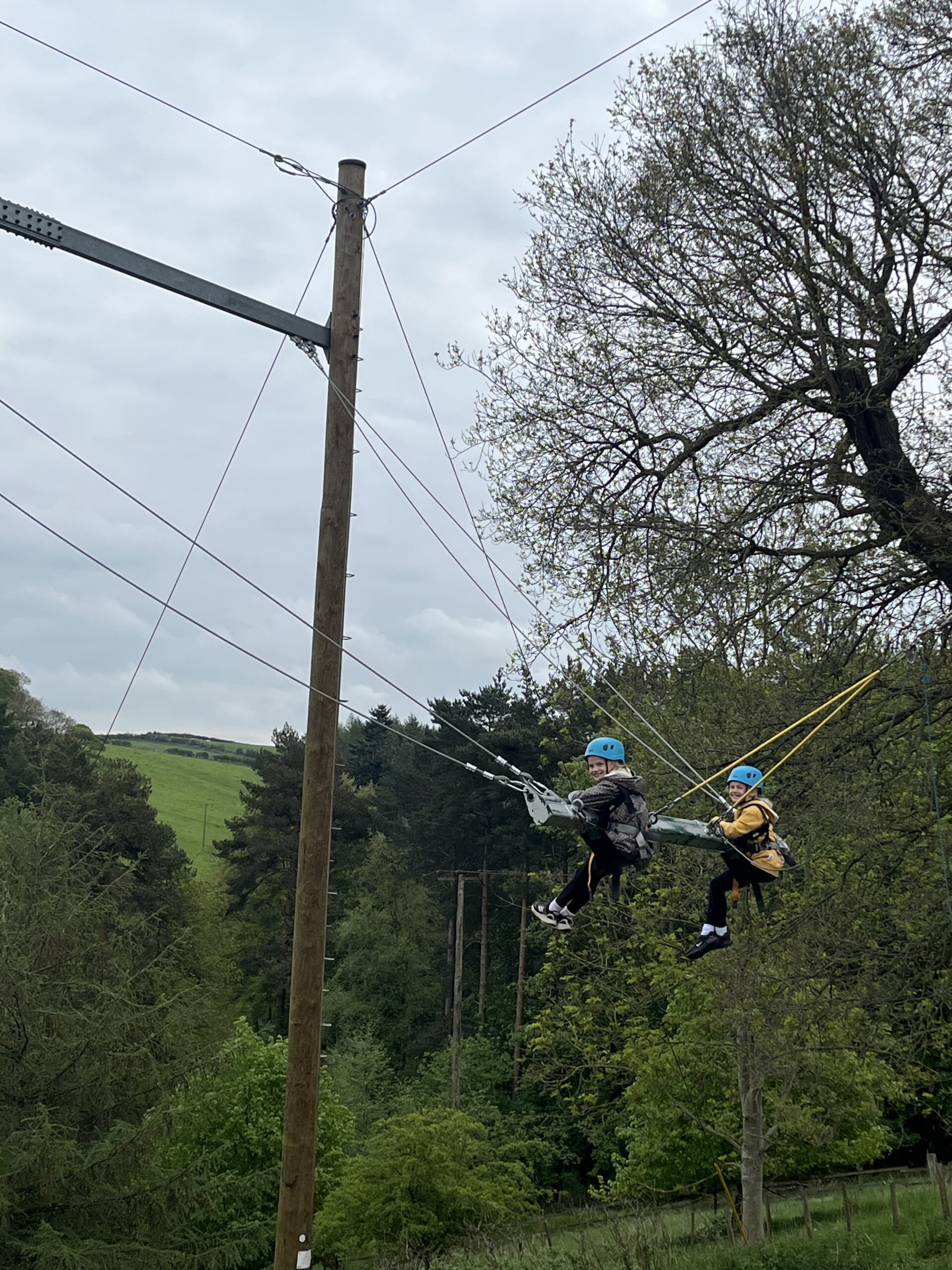
We kick off this week’s message with a question…
Have you thought about becoming a governor?
We have vacancies on our Governing Board. The role involves acting as a ‘critical friend’, providing support and challenge at a strategic level. There are six core Governing Board meetings in the year, three online and three in person, plus occasional additional meetings. There are also visits into school, the focus of these would depend on your role as governor.
If you’re interested, please contact the Chair of Governors, Rachel Cooper: rachelcooper@spherefederation.org
Read more about the Sphere Federation Governing Board.
Staying Safe themed week
Our next whole school themed week, based around Staying Safe, is from Monday 18 May 2026. The key message is how to be safe in a range of situations – at home, at school, online and in the environment.
A variety of events and visitors are planned to help us deliver this key aspect of education including road safety (Leeds City Council); water safety (Canal and River Trust and RNLI); fire safety (West Yorkshire Fire Service); first aid; safety in our community (PCSOs), martial arts (BMMA) and drug education (d:side). Some of the events require parental permission and these letters have been sent out separately.
On Tuesday 19 May, from 3.00pm to 3:30pm, there’s a drug education drop-in information session in the playground. A representative from d:side, a health education provider, will be available to discuss details of your child’s drug education learning in the themed week.
The themed week is a good opportunity to continue to think about healthy, active and safe ways to travel to school. Children are encouraged to travel to school in a sustainable way, keeping safe along the way. For a chance to win one of three £10 vouchers, we’d love to see their active travel staying safe photos, maybe using a traffic crossing or wearing their bike helmet (send photos to moortownoffice@spherefederation.org). Photos should be sent by 10am on Thursday 21 May and winners will be announced on the same day.
Can you help? Does your job involve an aspect of safety? If you’re able to support our Staying Safe themed week by coming into school to speak to children, please contact us via the office or your child’s class teacher.
Due to the rising costs of visitors to school, this year, we are requesting a voluntary contribution of £2 per pupil to go towards paying for visitors. This can be made on Arbor. Thank you for your support with this.
We’ll keep you up to date about events during the week on the Class News pages. Thank you for your support to keep Moortown Primary a happy, healthy and safe school.
Bike marking
Prior to the Staying Safe themed week, our PCSOs are holding a bike marking event at school. Please bring your child’s bike to school from 8:30am on Thursday 14 May. You’ll need to provide your name, address, phone number and email address for the bike to be added to the national bike register.
To our Year 6 children: All the best for your end of Key Stage 2 SATs assessments next week.
And to everyone: Have a happy and healthy weekend.
Our weekly message: Friday 01 May 2026
Don’t forget Monday is a bank holiday, so we’ll see you next week on Tuesday.
Now, let’s find out more about our Summer 1 topic…
What is this half-term’s topic?
This half-term we are geographers. The topic is called Explorers.
In this geography-driven topic, we’re comparing a place in the United Kingdom with a place in another country. Y1,2 children are heading to Kenya in Africa, Y3,4 children are having a mini-break in Venice, and finally, Y5,6 children are trekking through the Amazon Rainforest in South America.
Across the year groups, children will develop their understanding of some key geographical concepts:
- Location is a position (eg a country, a city), often described in a clear, precise way (ie using a latitude and longitude). It is separate from people’s perceptions and experiences.
- Place = location + meaning. This will include the physical and human geography that make a place unique. Importantly, place is not rigid. It is changing and can be perceived in different ways.
- Scale is defined by the relative sizes of places. This could be differences in area, population or distances. Scale can also be defined by our view of the world. For example, we may consider an aspect of geography on a local, national and international scale.
- Interdependence is the idea that the world is connected and that countries or individuals do not act in isolation. Our actions here affect people in different countries around the world, for example, food, energy, holidays, climate.
Check out our Topic Curriculum Guide for more information about key concepts (page 17) and age-related expectations and vocabulary (page 20 and 21).
Year 1,2
Children have begun the topic by learning about the different continents and oceans in the world. They’ll learn about the equator and how it splits the Earth into two hemispheres. They’ll then focus on a specific continent, Africa, and a specific country within that continent, Kenya. They’ll compare a city in Kenya, Nairobi, to Leeds with a focus on the physical and human geography of these two places. They’ll then take a visit into the countryside and compare features of the Yorkshire Dales with a National Park just outside Nairobi.
Year 3,4
Children will develop learning about the equator and hemispheres by learning about the tropics and climate zones. A focus on European and world cities and countries will follow and will link to climate zone learning. They’ll then focus in on Venice in Italy and its physical and human geography which they’ll compare with York. They’ll learn about the positives and negatives that tourism brings, putting themselves in the shoes of both tourists visiting the places and locals who live there. Finally, they’ll learn about the problems posed by flooding in both localities and the solutions introduced to limit the consequences of flooding.
Year 5,6
Children will learn about the different types of biomes found on Earth and how these are linked to climate. They’ll then focus on the biomes found in Brazil and the UK. They’ll then focus on Brazil more generally, building their understanding of it as a place. Next, they’ll focus on the Amazon Rainforest and its importance to Brazil in terms of the economy as well as its importance ecologically. They’ll learn about the threats to the rainforest and the impact that deforestation is having. Finally, children will learn about what Brazil needs to do to slow deforestation and what we can do to slow deforestation.
How can you help?
Regardless of the year group your child is in, Google Earth is a brilliant tool to help develop children’s understanding of space, place, scale and interdependence. Zoom right in on your home and then zoom out to reveal the area of Leeds that you live in. Zoom further out to see what city you live in. Zoom further for the county. A little further and you might start to spot some national parks. Further still and you can see the country that we live in. Keep zooming and you’ll see the continent we live in (though this isn’t labelled). Before you know it, you’re floating in space and circling the Earth!
Google Maps is another great tool for comparing places. Try the street view option and you can walk along a street in Nairobi and a street in London. Take a drive through the lush Yorkshire Dales and compare this to the Kenyan countryside. You could wander down the Shambles in York and compare this to the streets in Venice. You can also compare images of the same street from different points in time.
Quizzing your children about some locational knowledge will help them to remember important information. I’ve listed some examples below. Use the age-related expectations to find the right pitch for your child.
- Which continent do we live in?
- Which country do we live in?
- In which hemisphere is our country located?
- Which county do we live in?
- Which city do we live in?
- Which part of Leeds do we live in?
- Which four countries make up the United Kingdom?
If you can, go to the library and get some geography-related books, especially an atlas. You could compare maps of the same place to see what type of information they show. For example, you find lots of maps of the United Kingdom. One might show the countries and capital cities. Another might show the mountains, rivers and national parks. Another might give information about the climate.
For KS2 children, there are lots of different games and activities on Ordnance Survey Mapzone. I especially like the jigsaws in the Map Puzzles section of the Games.
Also for KS2 children, there is lots of information and some tasks and quizzes on BBC Bitesize.
Have a happy and healthy long weekend – see you on Tuesday.
Our weekly message: Friday 24 April 2026
We hope you had a good break over Easter.
A quick reminder: if you’ve got any new contact details for you or other contacts, please remember to let us know. We need up-to-date details for the people on our lists in case of emergencies. (The people on our lists are the ones you gave us when your child started school – in most cases, this will be three different people.)
Living and Learning
Next week’s Living and Learning theme is an important one: I know that a person’s body belongs to them.
The NSPCC’s Speak Out, Stay Safe message is an important one. It helps children understand more about this week’s theme and supports them to speak out if they have any concerns. At home, make sure your child is aware of Childline.
Attendance matters
The national attendance rate so far this year for primary schools is 94.8%.
At Moortown Primary, the attendance rate is 96.4%. That’s comfortably higher than the national figure. It’s even higher than last year’s figure for Moortown Primary (96.2%). Sadly, some pupils have attendance much lower. This might be because of illness and we’re happy to work with families to support this. But it also might be because of repeated term-time holidays – we’ll refer such an absence for a penalty notice or take other legal action.
Brushing teeth
We love this new guide all about brushing teeth. Even though it’s part of a series of guides for younger children to give them the best start in life, it’s full of good advice for everyone.
For example, one of the top tips is to try different flavours of toothpaste or brushes of varies sizes and textures.
Have a happy and healthy weekend.
Our weekly message: Thursday 02 April 2026
This week’s message is a day earlier than normal. First up, here’s a repeat of part of last week’s message, in case you missed it…
Easter
With Easter on the way, please see this list of free and low-cost things to do over the Easter school holidays in Leeds.
Also (and not in last week’s message), check out this Child Friendly Leeds guide to help children and families in Leeds navigate their way through the Easter holidays.
Sir David Hattenscarf and the Wonders of the World
Our Y3 and Y4 friends did a grand job of their production: great singing, great acting, and an insight into who might end up on the stage in the future! It also taught us a very important message about looking after our environment for the future. Well done to all the children and thank you to all the staff involved in putting it together. Your donations will go to our current school charity, Martin House.


400 words for Leeds
Did you know Leeds is celebrating 400 years since Leeds received its Royal Charter from King Charles I back in 1626? Leeds Lit Fest invite your child to get involved in the 400 Words for Leeds 400 writing competition.
If you were an engineer, what would you do?
That’s a queestion one of our Year 2 pupils thought about recently. She took part in the Primary Engineer Leaders Award Competition, where she explored that very question.
Through this experience, she engaged thoughtfully with the engineering design process, identifying a real-world problem and developing a clear and imaginative solution. Her work reflects curiosity, creativity, and a genuine desire to help others – key qualities of a young engineer.
Each entry in the competition is reviewed by a professional engineer and awarded a grade, recognising the effort and innovation demonstrated.
Have a look at her entry – a brain divider…

We love this idea for catching up on some sleep!
SEND parent carer monthly drop-in sessions
Are you a parent or carer of a child with special educational needs and/or disabilities or waiting for your child’s needs to be assessed? You might like to join one of the monthly drop-in sessions at the Reginald Centre or Moor Allerton Community Hub.
Finally, an ‘egg-stra’ addition


Have a happy and healthy Easter holiday.
Our weekly message: Friday 27 March 2026
First of all… Thanks for your donations for last week’s Comic Relief. We raised £155.99.
Top talent!
One of our Y5 friends has once again won the Beatrice Stables Cup at the Rothwell Competitive Music festival, in the under 11 Cello Solo category. He has also successfully auditioned for the City Of Leeds Youth Training Orchestra – some amazing musical talent!

More top talent…
As part of the Leeds Well Schools Partnership, ten of our Year 3 and 4 children took part in a football competition at Boddington this week. Throughout the day, they worked hard as a team to play some great football. Well done to all the children who represented school so well, and well done because they’ve qualified for the Leeds final next month.
This week, our Year 5/6 netball team took part in the Leeds Well Schools Partnership netball competition at Allerton High. Despite the rain, the team played some great netball and managed to finish second in their group. For some of the children, this was their first time representing school at netball and for some it will be their last after many years of coming to our netball club so well done to all the children who competed.
The rest of this week’s message centres around working with us in a constructive way. It’s prompted by a recent guide from Parentkind and a recent blog from Ofsted, both of which we talk about here.
We want Moortown Primary to be a happy and healthy place for all. Your views are important – they can help us to get better and better. Our Questions, Comments and Concerns page sets out how you can help with this.
Parentkind
Parentkind can support your child’s learning and wellbeing. They offer parents free webinars, practical toolkits, and a Be School Ready guide to support new starters, alongside a wide range of expert resources and practical guidance.
Working alongside the Department for Education and Ofsted, they’ve recently produced a guide to school complaints – it’s more of a step-by-step support to help you resolve any concerns quickly, easily and positively.
You’ll notice the first piece of advice is What kind of issue is it? They highlight feedback, concerns and complaints. This matches our Comments, Concerns and Complaints Policy which follows best practice guidance for schools from the Department for Education.
Ofsted
Ofsted has recently published a blog called How we consider complaints about schools – it’s an interesting read.
In the blog, they make it clear that it’s important parents follow a school’s complaints policy:
Before contacting us, a parent should:
- contact the school informally – for example, by talking to a teacher about the problem
- if things cannot be resolved this way, consider making a formal complaint to the school
- if they’re still dissatisfied, follow the next steps in the school’s complaint procedure – for example, making a complaint to the governing body or another organisation
When a parent comes to us directly, we encourage them to approach the school first. We will continue to stress to parents that we can’t resolve differences between them and a school or affect the results of a school’s complaints process.
This matches the advice in Parentkind’s guide to school complaints.
Ofsted receives hundreds of complaints each year, but very few of these are investigated because they don’t meet the criteria for Ofsted to investigate (in the last year, only about 1 in 10 were investigated).
School
Here are a few ways you can express your views here at Moortown Primary…
- After various school events, such as our recent Topic Review session, we like to gather your views on how the session went with a short online survey.
- Towards the end of the school year, we invite you to take part in a longer survey, too – there’s typically a final question or two which are more open-ended so you can comment on anything you like.
- Don’t wait until these surveys, though! We’d like to hear from you. You could send us an email (moortownoffice@spherefederation.org) or simply have a chat with your child’s class teacher or one of us at the start or end of the day at the school gate,
Thank you for supporting the positive relationships between home and here at Moortown Primary.
Easter
Finally this week, with Easter on the way, please see this list of free and low-cost things to do over the Easter school holidays in Leeds, including Story Explorers at the Central Library; a hat exhibition at Temple Newsam House; a Roman-themed Rabbits Trail at City Museum; newborn animals at Temple Newsam Home Farm; a dragon egg quest at Lotherton; and various activities (alongside the usual delicious food stalls) at Kirkgate Market.
Enjoy a happy and healthy weekend.