
Welcome to Reception – Part Two
Thank you to all of the parents and carers who were able to attend our Welcome to Reception – Part Two presentation yesterday. We hope you found the session useful. As always, please ask one of the Reception if you are unsure about anything.
Key reminders from the presentation:
- Reading records and phonics home learning books need to be in school every Thursday.
- Your child is more than welcome to bring a healthy snack to school. Please ensure this is a piece of fruit or vegetable only.
- PE happens every day. Your child will take part in a 20-minute movement session. They do not need to get changed.
- eBooks are assigned every Thursday. Your child’s login details can be found in their reading record.
- Continue to enjoy stories together to support and develop your child’s love of reading.
- Please check the Reception class news page each week to see what we’ve been learning.
Thank you for your continued support!
History: similarities and differences
In History, we began exploring what houses were like in London in the 1600s before the Great Fire of London. We looked carefully at pictures of London and discussed how we could tell that they were from the past.
There are no cars but there’s lots of cars now so I know it’s from the past.
There weren’t any iPads or tablets or phones so they had to draw pictures not take photos.
The houses have lots of wood on them.
Working in groups, your children compared houses from the 1600s with houses today, identifying similarities and differences. They shared their ideas and annotated photographs to show what they had discovered.
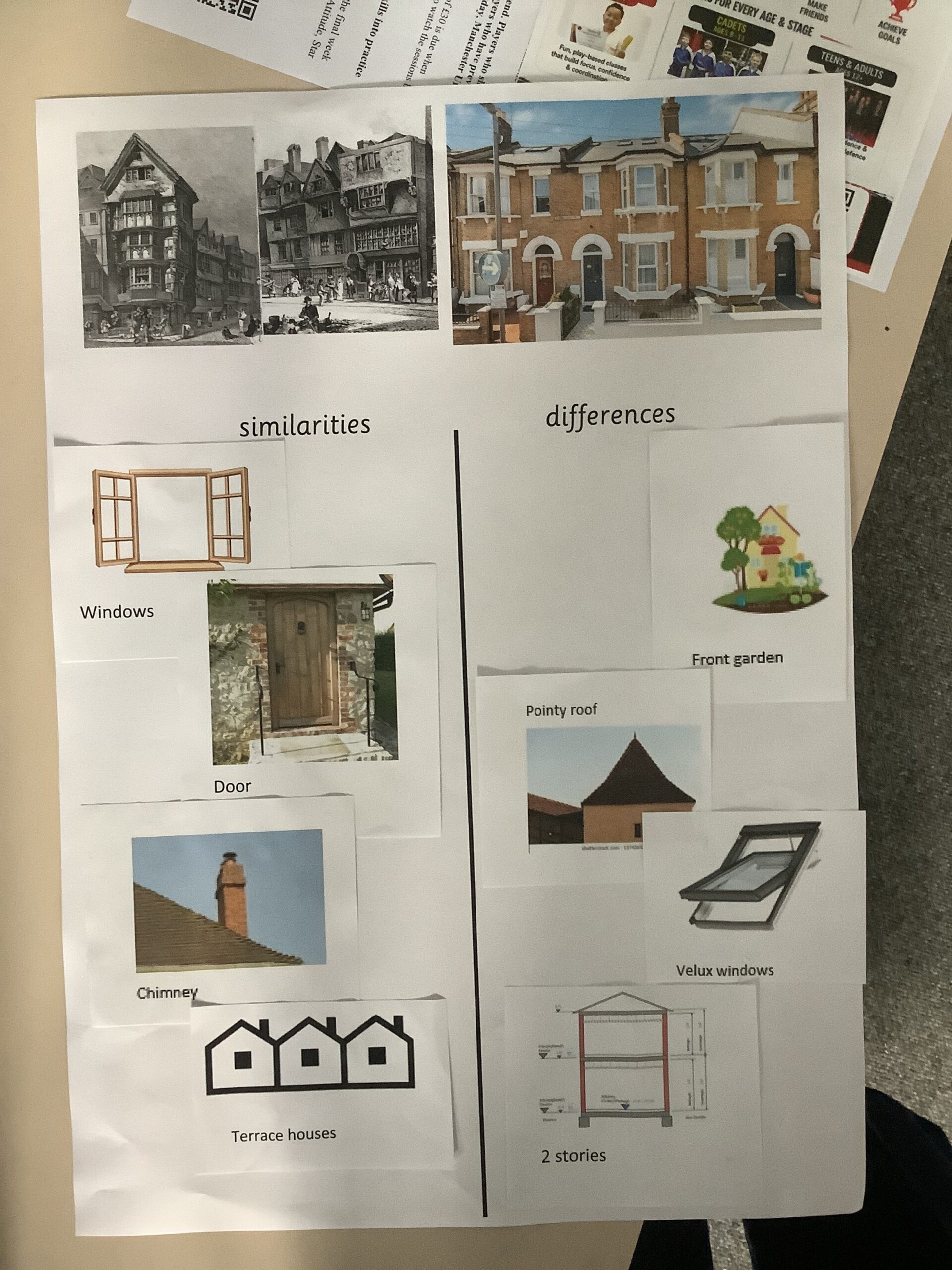
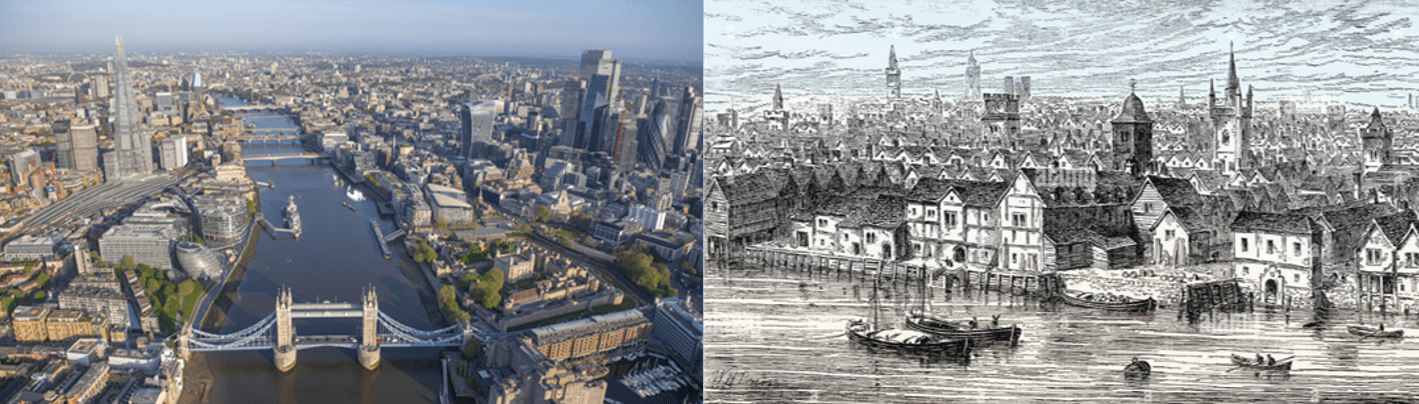
Help at home: What are the similarities and differences between London today and London in the 1600s?
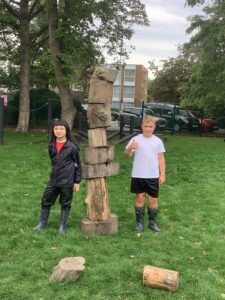
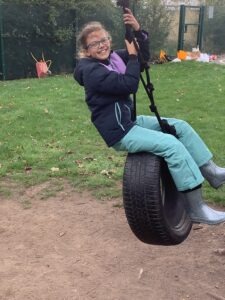
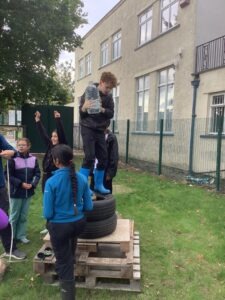
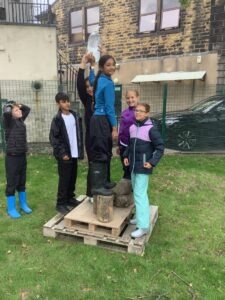
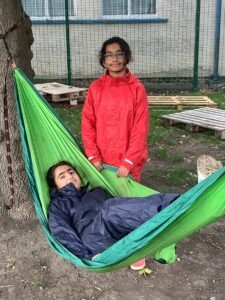
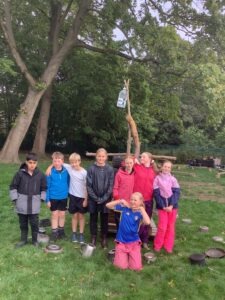
Forest School
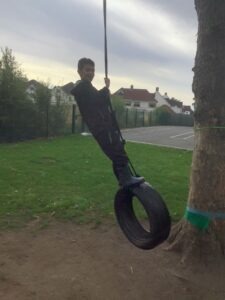
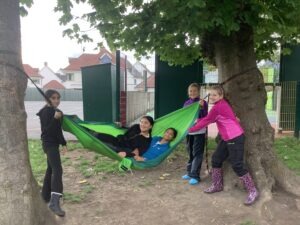
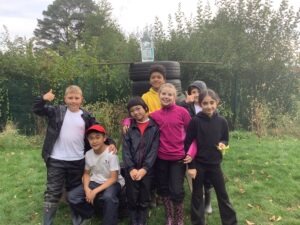
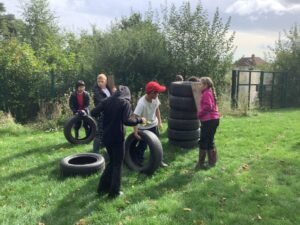
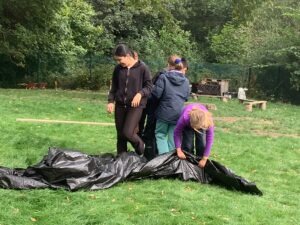
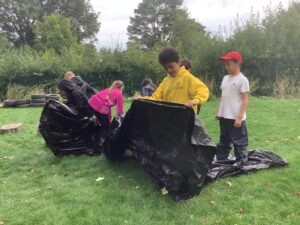
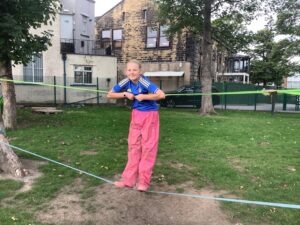
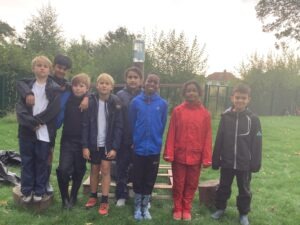
Year 6 have got stuck back into Forest School and really enjoyed it.
Autumn term after school clubs
Maths – counting within 100
The children have been orally counting within 100 using a hundred square. We’ve been making clear differentiations between teen numbers and tens numbers.
We’ve also been counting objects in the classroom and shared area. For example, children counted the blue chairs and pencils in the pots. As a class, we have been counting how many children are present and counting the amount of different coloured spots we have on our carpet.
“There are five blue, five red, five yellow…” We noticed there are five of each colour and that makes 30 in total.
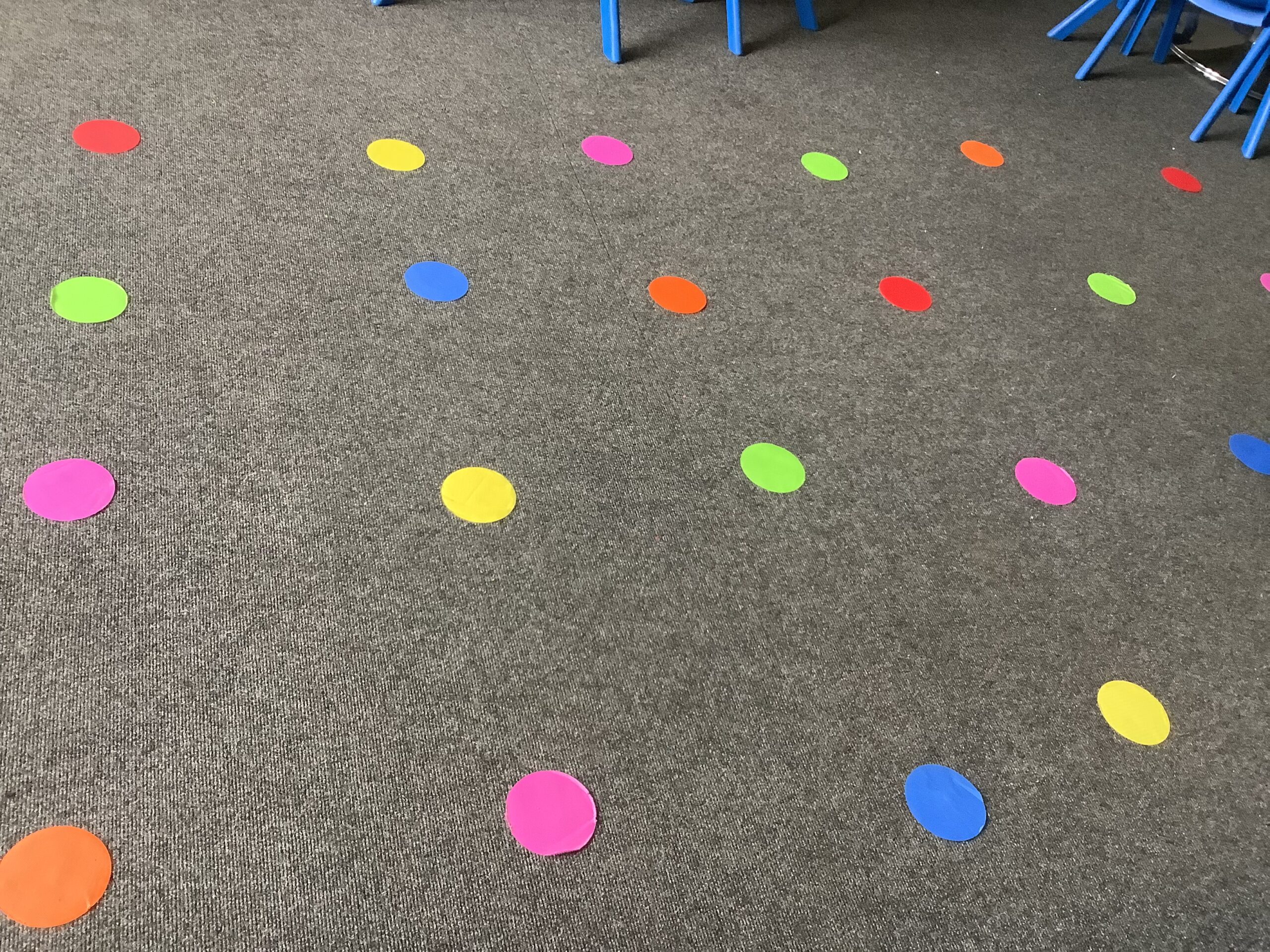
Since then, we’ve been counting on and counting back from different numbers on the hundred square.
Help at home by counting objects when you’re at home or out and about. Make sure to decipher between the ‘teen’ numbers and ‘-ty’ numbers. For example, 13 – thirteen and 30 – thirty.
Maths: read and write numbers to 1 million
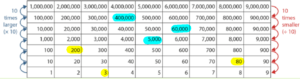
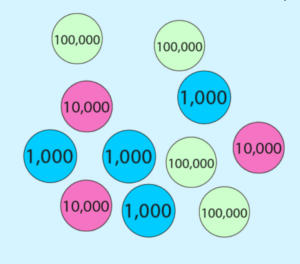
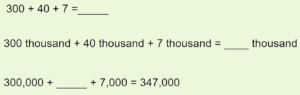
In Year 6 maths, we have been learning about how numbers up to 1 million are composed. We have been partitioning, reading and writing numbers. We have used a Gattengo chart, number sentences and place value counters to help represent the numbers.
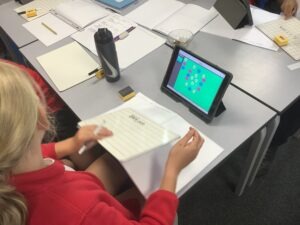
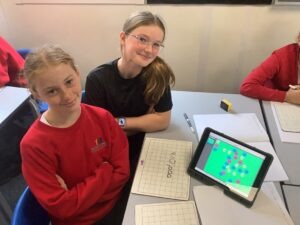
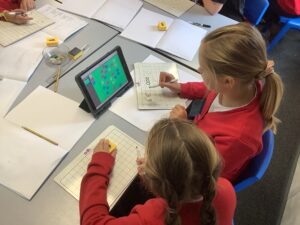
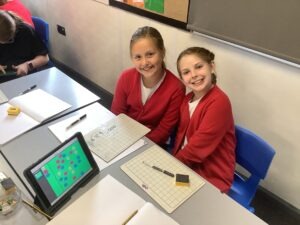
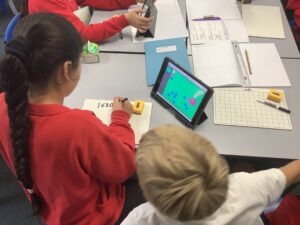
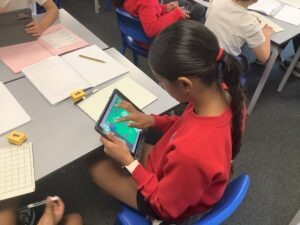
Help at home: Can you label each representation? What are the numbers that are displayed?
Science – the human body
During our first science lesson, the children identified different body parts and how many they have of each. We discussed the difference between fingers and thumbs. Then, we played Simon Says to reinforce these labels!
Finally, we drew a human body using ourselves as the outlines and in groups, labelled the body parts. We used our segmenting and blending skills to read these labels too.
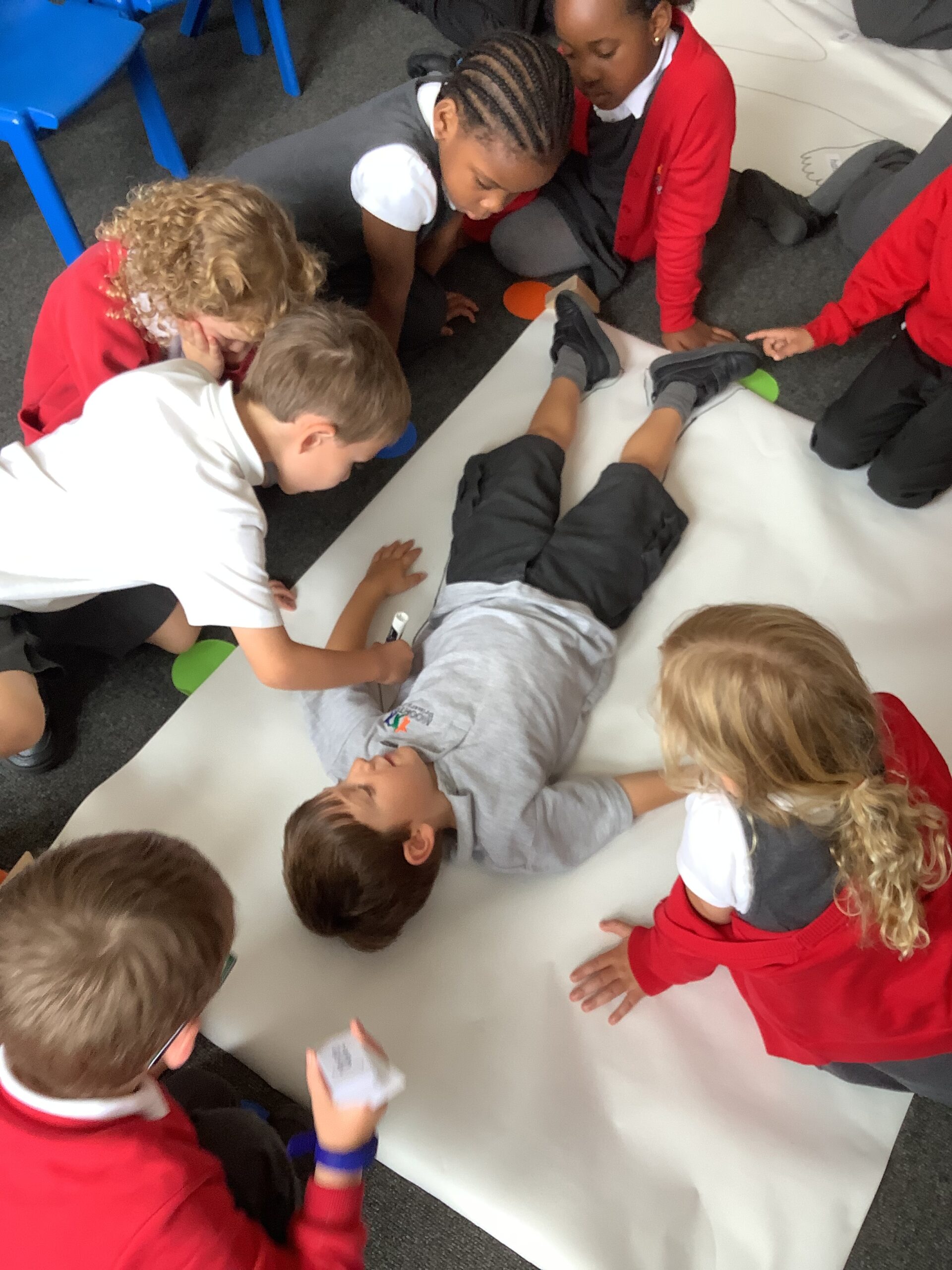
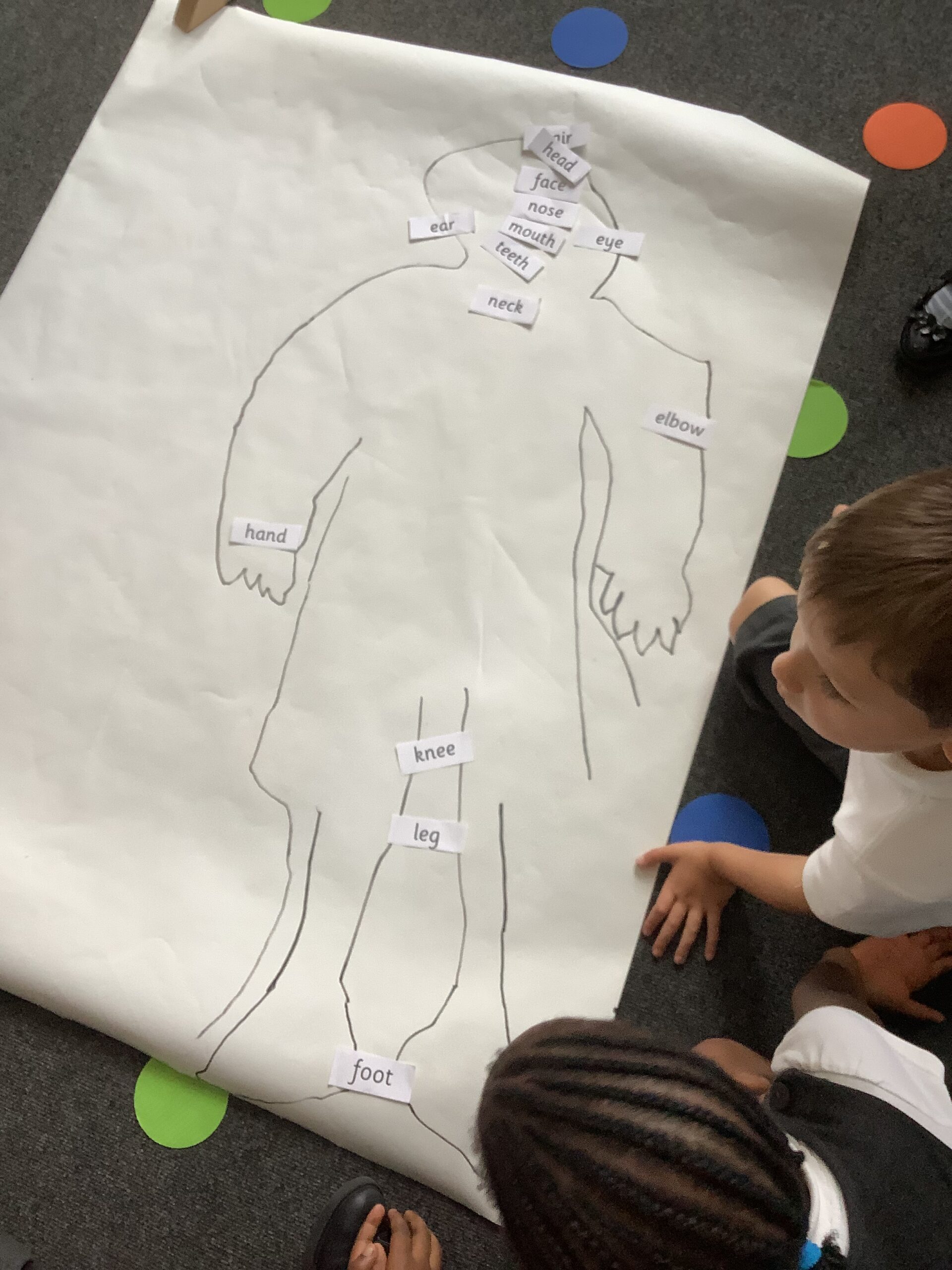
Help at home by playing Simon Says and identifying different human body parts.
Living and Learning: Manners
Manners are words and actions that we can do to help us be kind and respectful to others. Good manners help us to get on well with others.
We thought about examples of good manners and we did some role play to model these good manners.
“Good morning! How are you?”
“Morning! I’m good, thank you. Are you?”
“Yes, thank you for asking.”
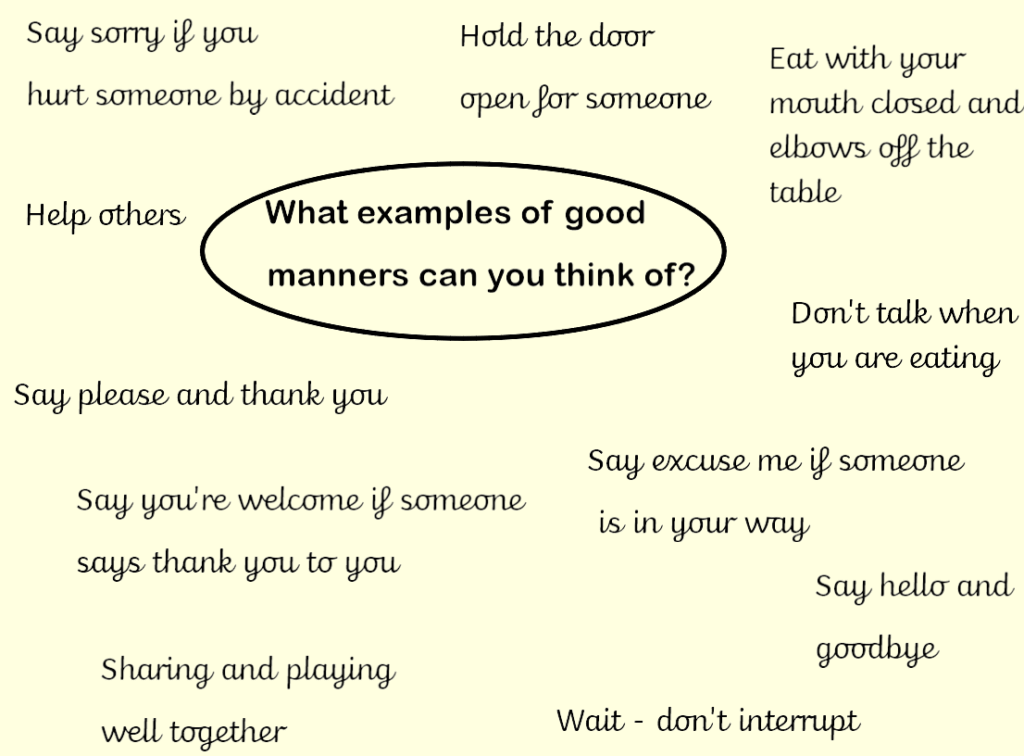
Help at home: reinforce this message about using good manners at home as well as at school. Encourage your child to greet the adults on the gate as they arrive at school.
Gruffalo Granny with Julia Donaldson
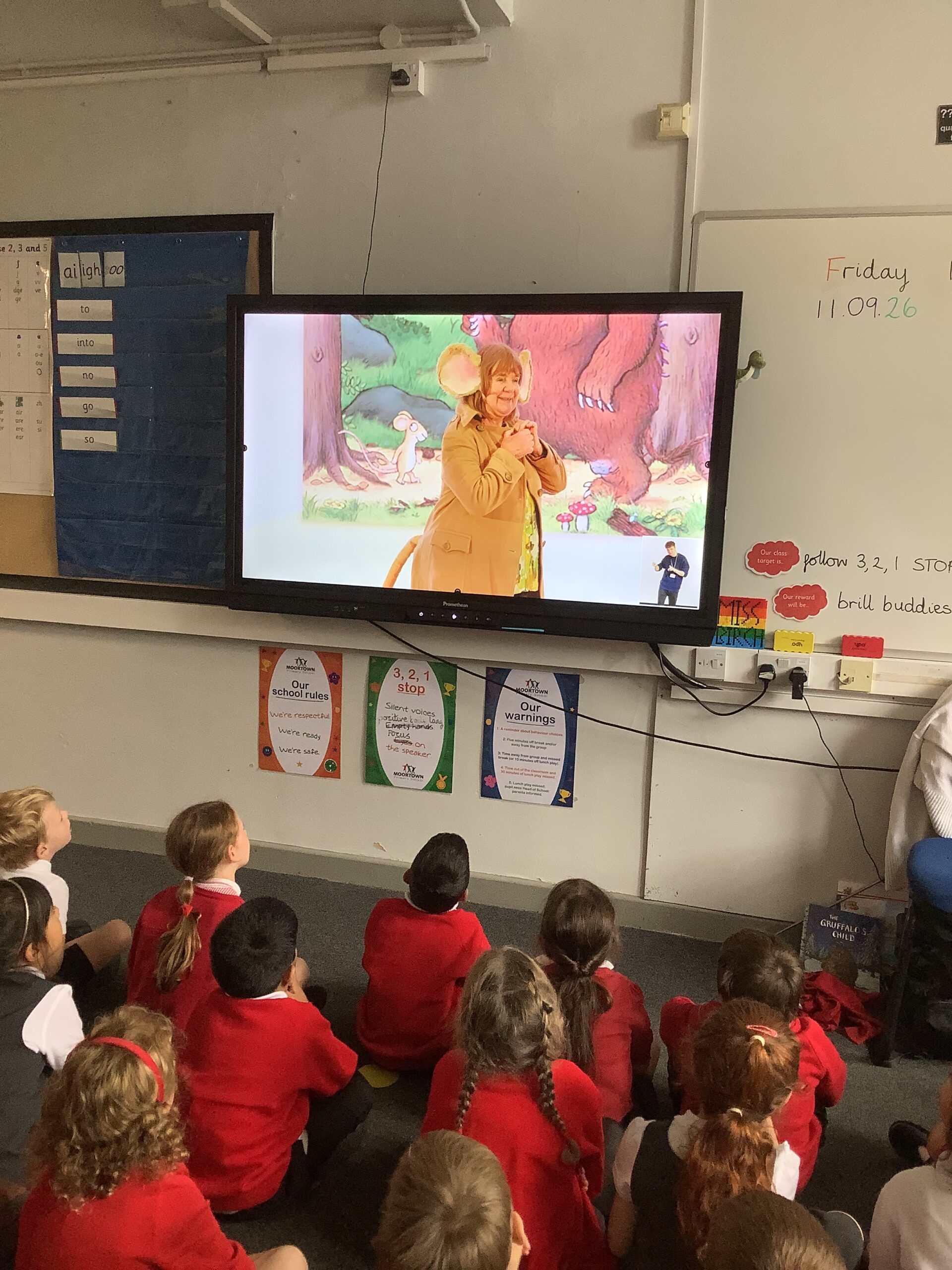
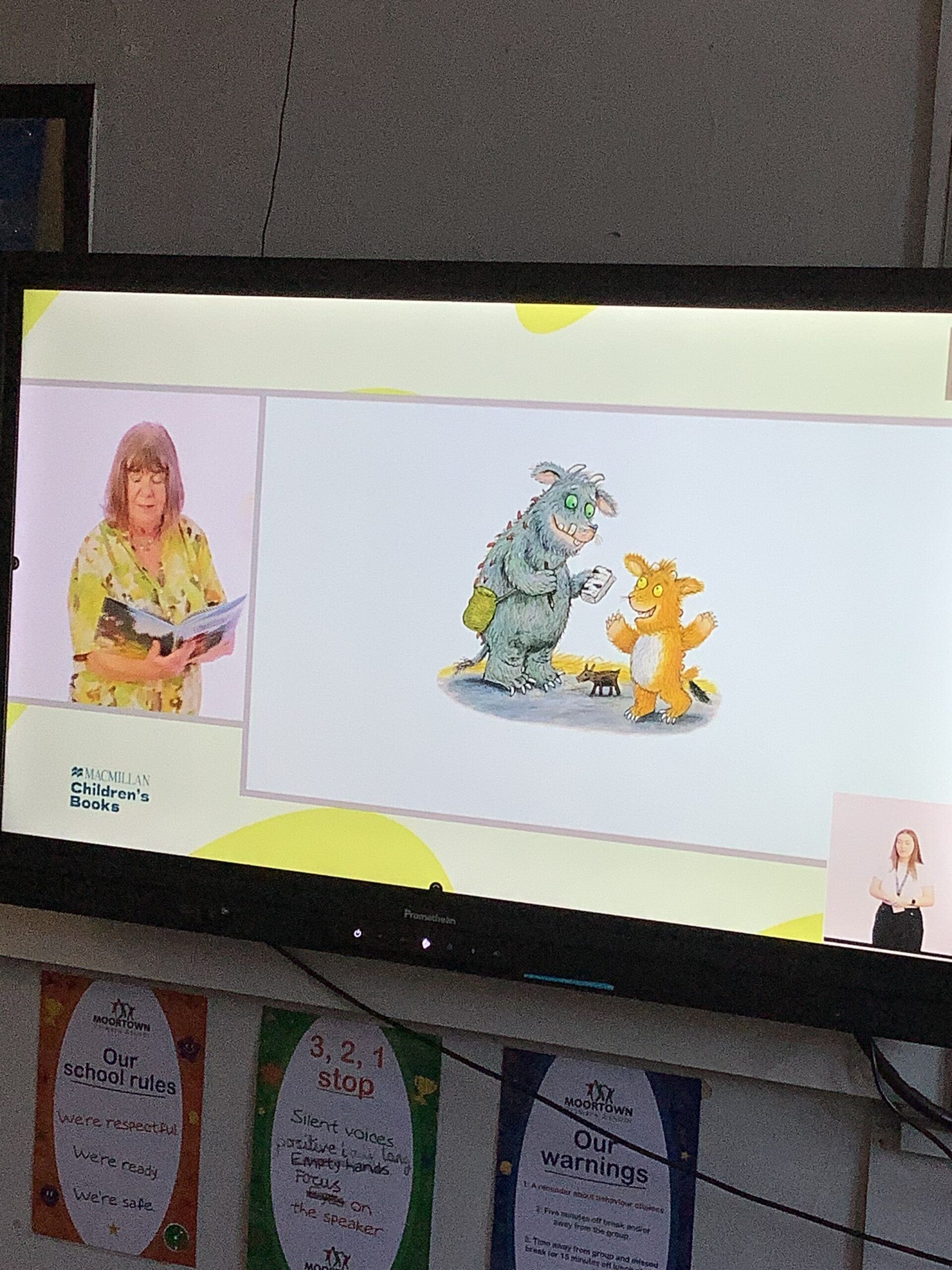
Today, Year 1 watched Julia Donaldson talk about and read her new book – Gruffalo Granny!
Lots of the class have heard and read many Julia Donaldson books so they were excited about hearing the next one in her Gruffalo series.
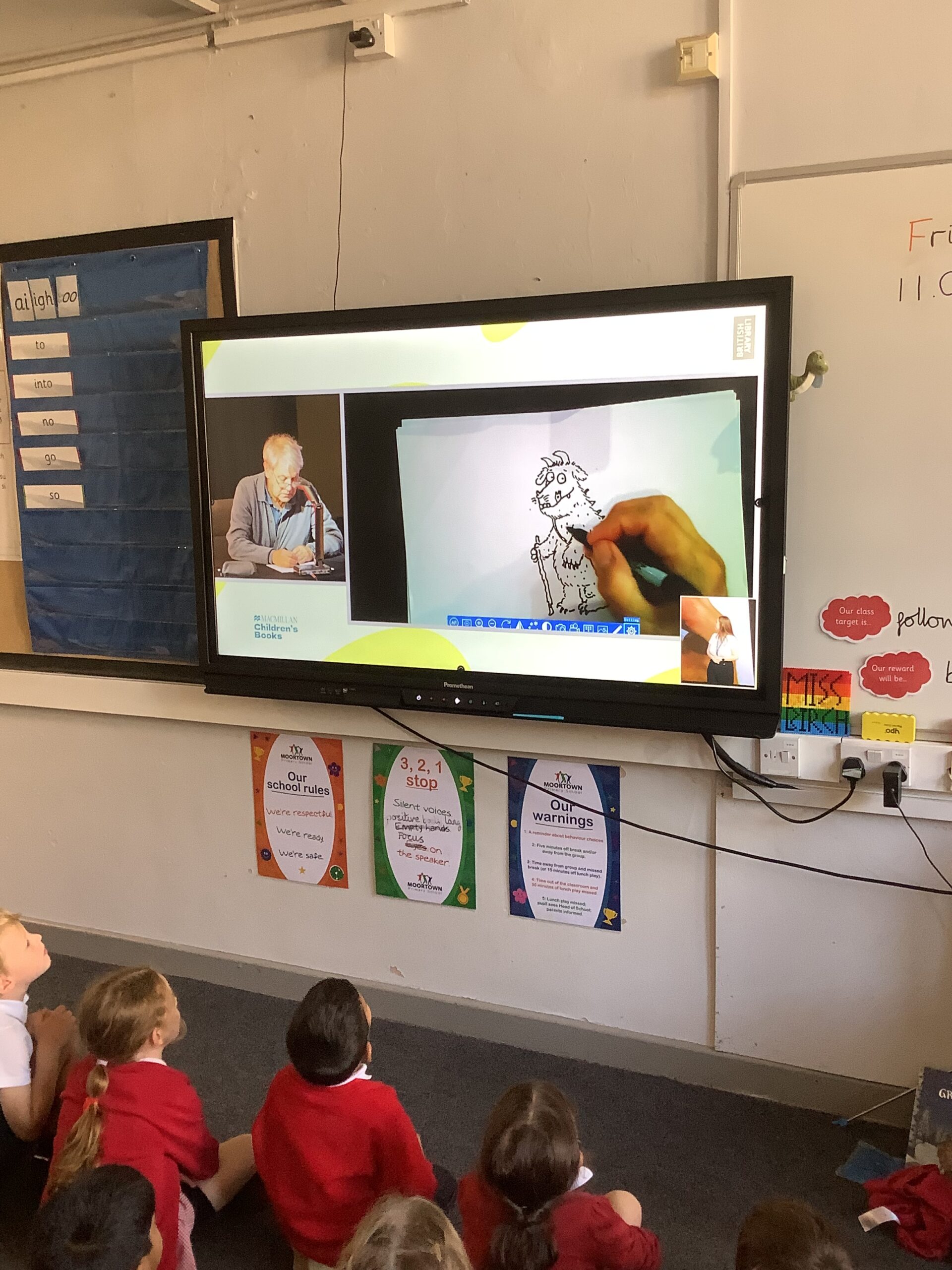
Axel Scheffler, the illustrator, also drew a picture of Gruffalo Granny to show us how he does it. We were super engaged watching this!
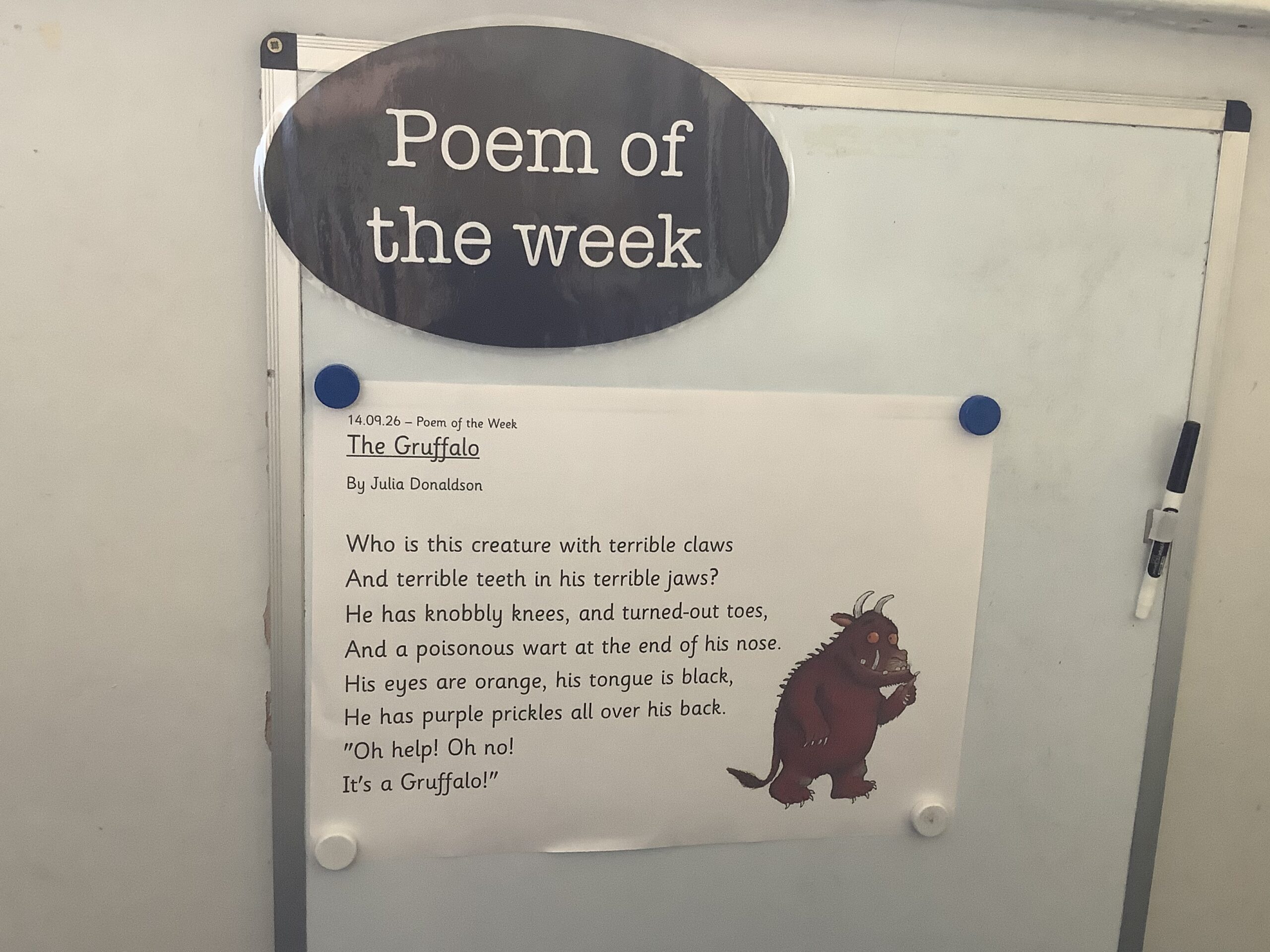
The class enjoyed the new book too. Our Poem of the Week next week will be The Gruffalo. I’ve attached it below! Help at home by reading this poem with your child.
Science – air resistance
This half term in Science we are investigating forces. We know that the strand of science we’re learning is Physics.
We have already learnt about friction and how it can affect the speed of an object. This week, we looked at air resistance. First, we compared how a flat piece of paper and a scrunched up piece of paper fell through the air.
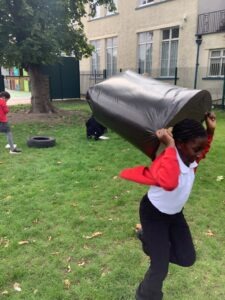
Then, we investigated the effects of air resistance on ourselves. We timed ourselves running across the playground. Afterwards, we ran holding a binbag behind our heads. We found that air resistance slowed us down and we could not run as fast.
Help at home by discussing other forces that children can experience.