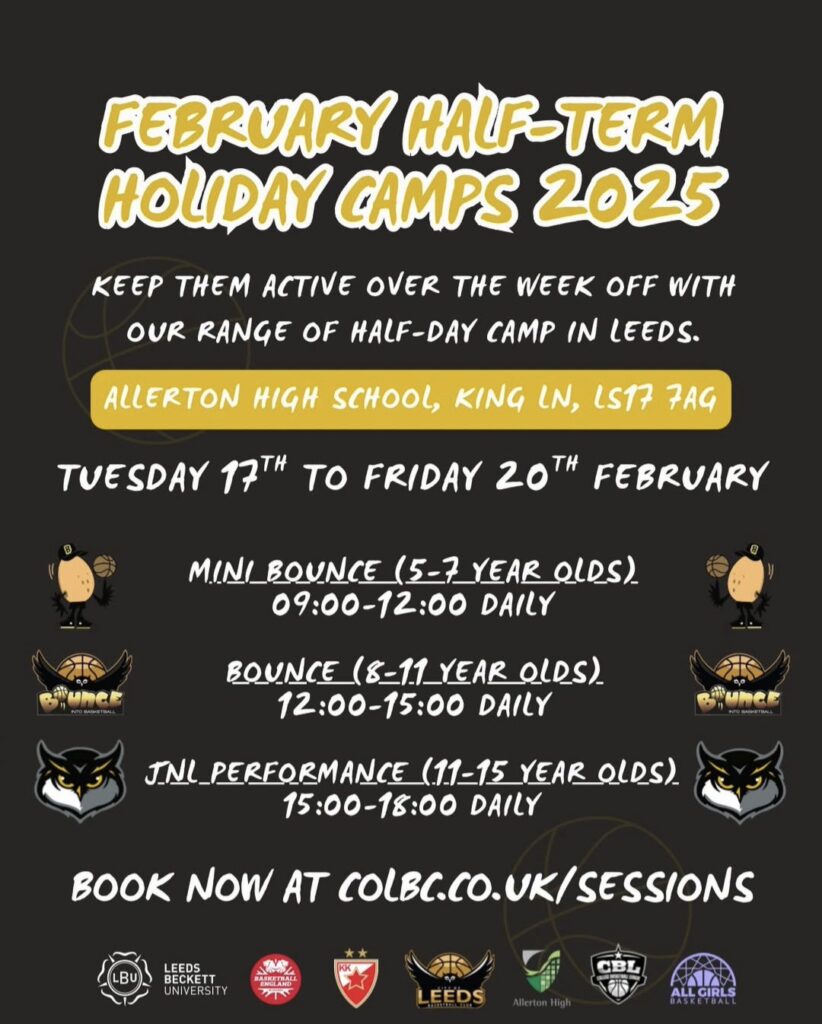
Basketball half term holiday camps
There are the last remaining places available on these half term City of Leeds Basketball Club holiday camps held locally at Allerton High School.
Living and Learning: Online Safety Day
We started off Safer Internet Day with an assembly.
Then, we had a lesson about misinformation, disinformation and hoaxes. Misinformation means sharing false information by accident. Disinformation means sharing false information on purpose. A hoax is false information made to deliberately deceive. The children discussed how to be critical users of the internet:
- check URLs
- research/check information with other sources
- don’t believe everything you read
- read the whole thing and not just part of the information
We also focussed on understanding the importance of checking with a trusted adult before sharing personal information.
Last week, we were also joined by D:Side Dave who talked to the children about everything social media and staying safe online. Did you know that on average, people spend 2 hours and 24 minutes online everyday? Did you know that over 2 million snapchat ‘snaps’ are shared every minute?
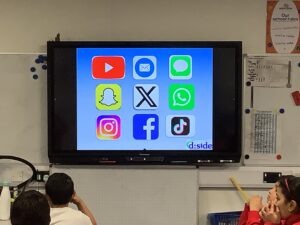
Help at home: Can you name all the different types of social media? What is the recommended ages for each one?
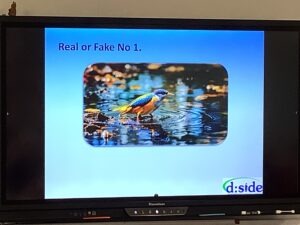
The children then went head to head with Dave to see if they could guess if these photos were real or AI. Have a go yourself!
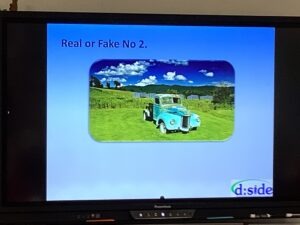
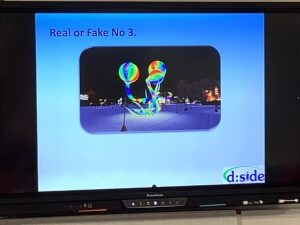
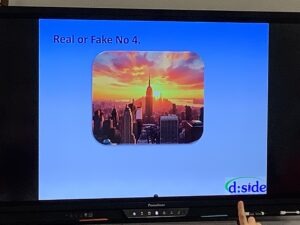
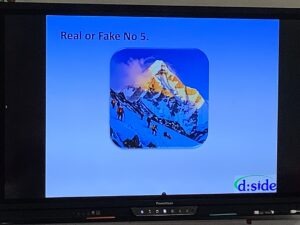
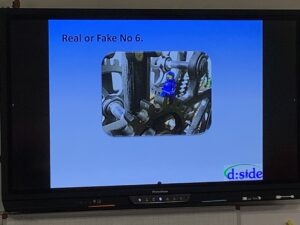
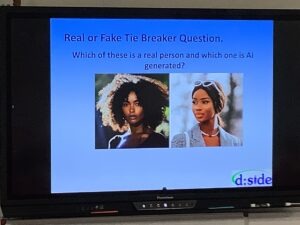
Dave spoke to the children about sticking to websites and games that are suitable for their age. We talked about the PEGI ratings on video games and how games with a higher age rating are not suitable for them.
Help at home: Discuss how to stay safe online and what your children should do if they see or hear anything that upsets or worries them.
School dinner menu
After February half term, we start our new menu which runs to the end of the year. It can be viewed here. Please review this with your child to help with their selection at the start of the day. We continue to offer meat free Mondays.
The cost of a school meal is:
- children in Reception, Years 1 and 2: this is free because of universal infant free school meals
- children in Years 3, 4, 5 and 6: £3.05 for children in Years 3 to 6
Payment should be paid in advance on the Arbor app. We’re happy to accept payment for the week, month, half term or term. We prefer two weeks’ notice to change lunch arrangements.
All children in Reception, Year 1 and Year 2 receive free school meals. If your child is in Year 3 to Year 6, and you are on benefits or a low income, your child may be eligible for free school meals.
Some people like to choose a mix of school dinners and packed lunch for their child – that’s absolutely fine, as long as it’s a the same pattern of school dinners and packed lunches every week. Just let office staff know which days you’d like to opt in for a school meal in the week, and which days you’d prefer to provide your child with a packed lunch.
We continue to gather feedback from children on our school meals.
If you have any feedback, please do get in touch.
Topic Drop Down Morning
In our Topic Drop Down Morning, the children revisited their knowledge from previous years. We focussed on our explorers unit in Geography, where we compare York and Venice, and Ancient Greece in History.
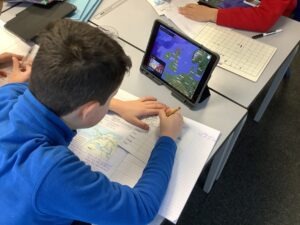
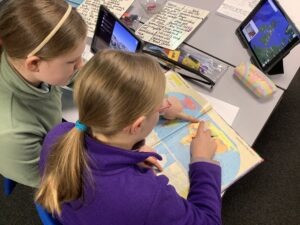
The children created a fact file about both York and Venice and compared and contrasted the two locations. They used atlases and Google Earth to locate these places on a map and then used secondary sources to find out information about each place.
When recapping their knowledge about Ancient Greece, we focussed on the golden age’s innovations. The children were great at remembering the names of the Greek Gods too!
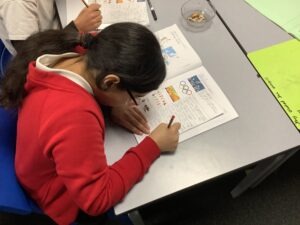
Help at home: What were some of Ancient Greece’s inventions/innovations? Which one was the most important and why?
Topic: History.
Currently in History, we are looking at the historical concept of innovation. The children have learnt about the inventions and innovations of the two time periods we are focussing on this unit: Vikings and the Islamic Golden Age. In this lesson, the children created a one-page spread about the IGA’s innovations.
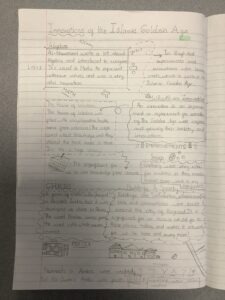
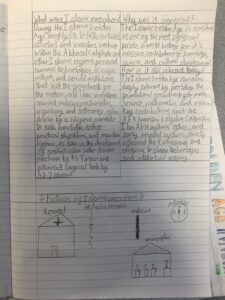
This learning will link to our Writing as we will be discussing which civilisation was more advanced.
Help at home: Which innovation was the most important and why? Discuss how their innovations are still relevant to life today.
Leeds Cross Country final
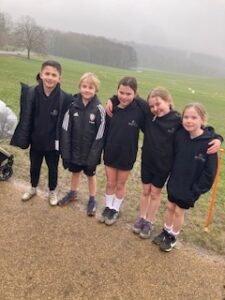
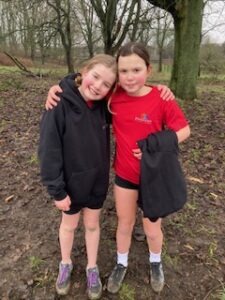
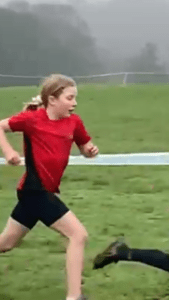
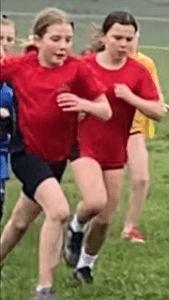
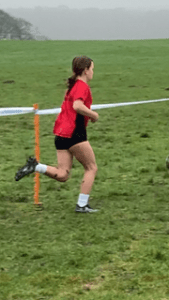
We were very proud of our five Key Stage 2 children who took part in the Leeds Cross Country Final at Temple Newsam today.
In muddy, slippy conditions they all put in 100% effort in their races and were a great support for each other. The children should feel proud of competing against the best runners from across Leeds.
We’ll wait to hear if we have any qualifiers for the next round, the West Yorkshire Final.
Thank you to parents who helped with transport and supported at the event.
Latin: Translating sentences
Recently, Year 6 have been translating Latin sentences into English. When doing this, you need to follow a method:
- Look for the verb and the ending and translate it.
- Look for the subject of the sentence and translate it.
- Look for the object of the sentence and translate it.
- Look for adverbs or any other words.
Sometimes there is no subject…
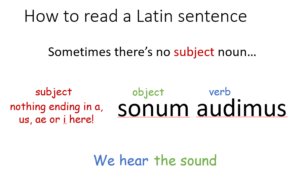
… or object in the sentence.
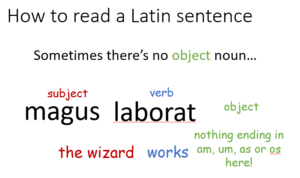
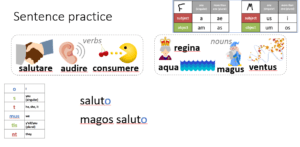
Help at home: Have a go at translating this sentence.
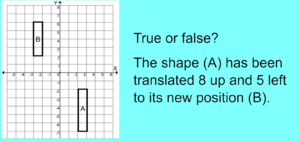
Maths: Translation
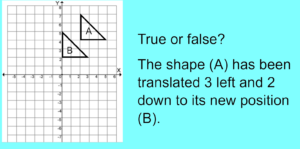
Today, Year 6 have been looking at translation in maths. They have been moving shapes on coordinate grids with four quadrants. Next, we’ll move on to reflection of shapes.
Help at home: Have a go at these true or false questions.
Reading: Retrieval
In today’s lesson, Year 6 became reading detectives! We re-read our text of the week ‘The Watertower’ by Gary Crew and then created retrieval questions on Kahoot. We will test our peers on these later this week.
We have also predicted and summarised the text so far. The children have REALLY enjoyed this book and have got ‘stuck in’ with their theories and predications. It really shows that when you enjoy a text, you understand it better!
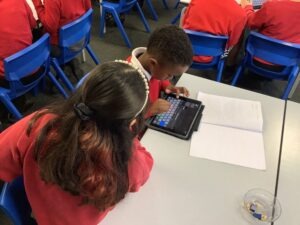
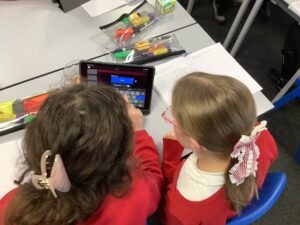
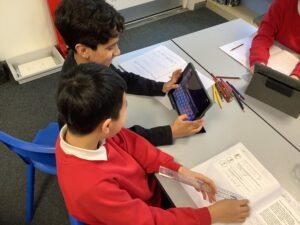
Help at home: Can you child summarise the story? What is their theory about what has happened to Bubba!?
We are Physicists.
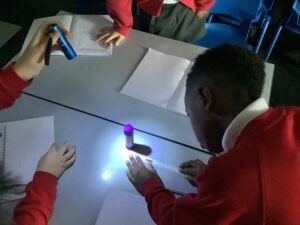
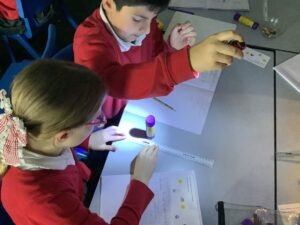
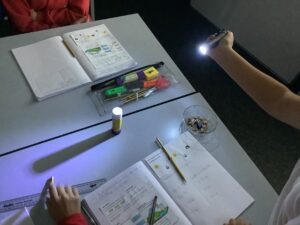
In Science, we are physicists for this half term. Physicists study forces and energy. We are currently learning about light. In our recent experiment, we looked at what creates shadow, how the shape of a shadow is created and what can affect the length of a shadow.
At the start of the lesson, the children enjoyed some time to explore shadows both inside and outside.
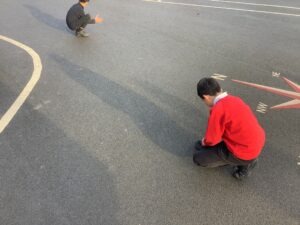
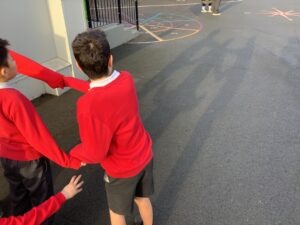
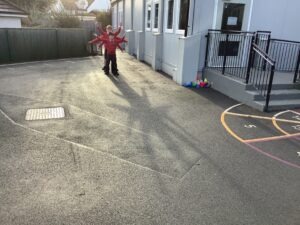
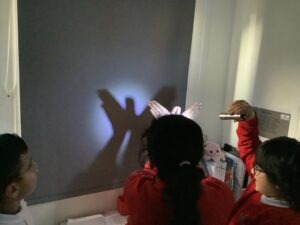
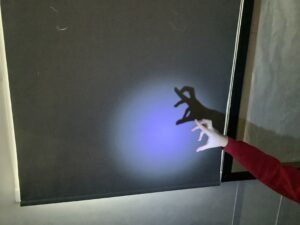
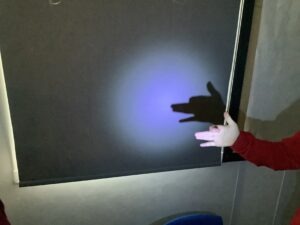
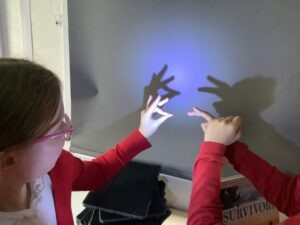
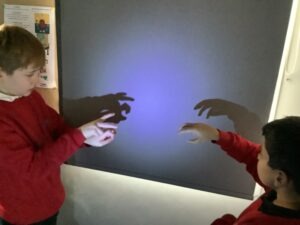
We then when on to investigate how what will happen to our shadow at different times during the day. Now due to it not being a very sunny day, we recreated this experiment and substituted the sun for a torch and our bodies for glue sticks.
Independent variable: the length of the shadow
Dependent variable: the time of day that we are looking at the shadow.
Control variable: the person whose shadow is being measure.
The children noticed when the position of the Sun in the sky changes, the angle of the light rays changes. Therefore, the length of the shadow increases.
Help at home: Can your child explain what is going on is the picture below? Can they also describe how a solar eclipse happens?