
Wanted: Photos
As the end of this school year is approaching, the children have asked to include their baby photos in their leavers’ assembly. Please can you email in a baby photo of your child ASAP, if they wish to join in.
Sports Day 2026
It was really nice to see Year 6 enjoy their last sports day at Moortown Primary School. Today really showed off the happy and healthy lifestyle we have. Well done for everyone who took part in the races and thank you to the adults who came to support.

Enterprise Day
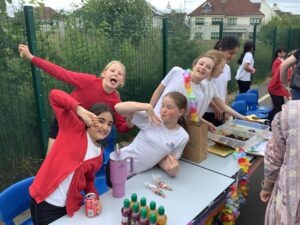
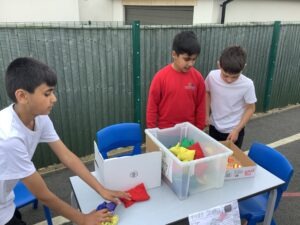
Year 5 and Year 6 hosted Enterprise Day yesterday afternoon. The children were loaned £5 each from Virgin Money to be entrepreneur and create a stall which would make a profit. And, the children did exactly that! They created a refreshment stall, a pick n mix stand and an ice lolly booth (just to name a few). The played games like beat the keeper, how many hoops and splat the Year 5.
Thank you to everyone who came to support the children!


Junior Warrior
On Friday, Year 6 took part in Junior Warrior at Bramham Park.
Junior Warrior is a 3KM course full of tricky obstacles and lots and lots of… MUD! We ran, crawled, waded, climbed and jumped all afternoon.
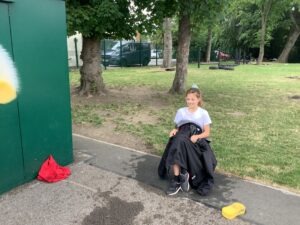
Here is a photo before the course – just to prove we were clean at one point.


Everybody thoroughly enjoyed the race and were awarded medals and the title of junior warrior.
Leeds Rhinos discount tickets
Leeds Rhinos 50% off tickets offer
Leeds Rhinos are delighted to offer supporters 50% off tickets for their match against Toulouse on Friday 31st July 2026.
With the team currently in first place in the league table, we would love for you to join us to cheer the team on.
Whether you are a regular supporter, or would be attending for the first time, we would be delighted for you and your family to come and experience the unique atmosphere of a match at AMT Headingley Stadium.
To book your tickets visit Leeds Rhinos – Online ticket sales with prices starting from just £13 for adults and £7 for juniors aged 16 and under.

Living and Learning: RSE
These past weeks, we’ve been learning about Relationships and Sex Education.
Here are some snippets of our learning. We covered topics such as conception, pregnancy and consent (which of course can be seen in a variety of scenarios).


Help at home: Check to see if your child has any more questions about this topic.
Living and Learning: Body Image
This week in Living and Learning, we talked about what body image is and what might influence it.
The children created a variety of definitions but in the end all agreed that ‘Body image is our idea of how our body looks and how we think it looks to others. This can include our feelings and thoughts about our height, weight, shape, skin colour, appearance or attractiveness’.

We then went on to discuss potential influences. Here are the ones we thought of:
- Social Media
- TV
- Celebrities
- Friends
- Family
- News
- Ourselves
- Fashion
- Experience (e.g. sports clubs, school, parties)
Help at home: Discuss how each of the influences might impact our body images.
We are designers.
This half term we are designers. The children learnt/recapped how to tie a knot, thread a needle and create a running stitch. Year 6 were very resilient and had lots of concentration.


Help at home: Why not practise the running stitch? Discuss the difference between a running stitch and back stitch.
Production: The Amazing Adventures of Superstan!
Please make sure you bring your costumes and props outlined to school no later than Wednesday 24th June, in a named plastic bag. If you don’t have any of the items listed for your role, please let an adult in Year 5 or Year 6 know before the 24th.
Road Safety Transition to High School
Yesterday, we had a day to learn about how to stay safe when travelling to high school.
Each group discussed the positives and negatives of travelling:
Car

Train

Bike

Bus


Walk

Help at home: Take a look at the method your child will getting to high school using, are there anymore positives or negatives that you can think of?
The children then looked on Google maps to plan out a possible route to their high school from their homes. In the afternoon, they walked to Allerton Grange stopping lots of times to learn about bus timetables; T junctions and cross roads; and different types of crossings.


Help at home: What is the green cross code?