
Guided Reading Week 5
Here are the target pages for this week’s guided reading. These need to be read by Friday 12th December.
Divine Freaks: up to page 193
Spirit Walker: up to page 257
How to Train your Dragon: finish the book
The Considine Curse: up to page 167
The Switch: finish the book
Food Technology: Tomato and Lentil Soup
Today, Year 6 made tomato and lentil soup! We worked in small groups to prepare the ingredients and then cook them. We made sure that we washed our hands and wore our aprons for hygiene reasons.
We used the bridge cutting method and the claw cutting method to cut up our ingredients. These methods are the safest way to cut food as they help us from hurting ourselves!


Help at home: Have your child show you the bridge and claw cutting methods. Why not try making the recipe at home? It has been sent home with your child.
Writing: Narratives
Over the next three weeks, in Writing, Year 6 will be creating their own narratives about a sculpture coming to life. This starting point was inspired by our trip last last half-term.
First, we discussed what makes a good narrative and read an example.
We did some drama to get into the mind of the sculpture awakening from its deep slumber. How would it move? Where would it go? What are some consequences?
Help at home by discussing what types of figurative language your child knows. Can they give you an example of each? How could they use it in their upcoming writing?
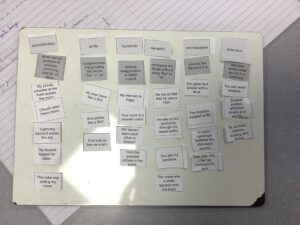
We will also aim to use expanded noun phrases and more complex punctuation like semi colons.
Handwriting
There are 4 Ps to remember when writing:
- posture
- pencil grip
- paper position
- pressure
Posture: You need to make sure you sit up straight and have 6 legs (4 of from the chair and your 2) on the floor at all times. Your chair should be tucked under the table.
Pencil grip: You should have a tri-pod grip.
Paper position: The paper needs to be slighted tilted towards the hand you write with. Your other hand should hold on to the paper too.
Pressure: You need to have a sharp pencil – it really does make all the difference!
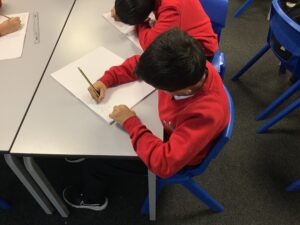
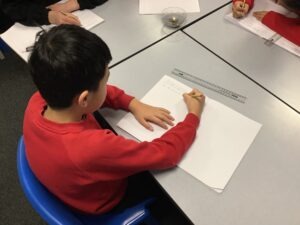
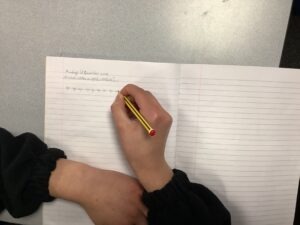
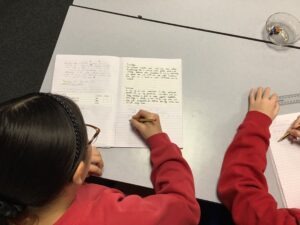
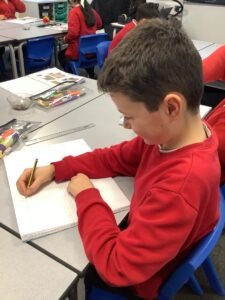
Help at home: Read our handwriting guide. Each day, practise the letters in order.
Living and Learning: Identity and Self Respect
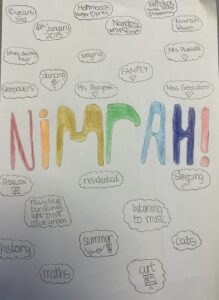
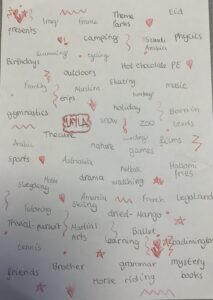
This week – in Living and Learning – we focussed on our identities (what makes you you) and self respect. In assembly, we talked about what we can do to show respect to ourselves. The children thought of some ideas:
- going to bed on time
- saying positive things about yourself
- having a healthy diet
Help at home: Can you think of any other ideas?
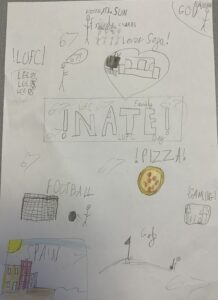
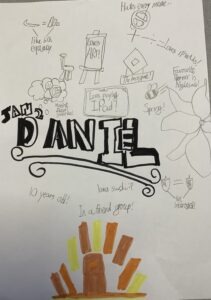
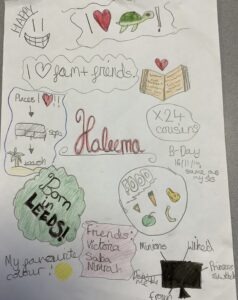
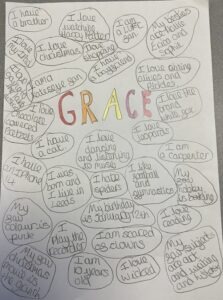
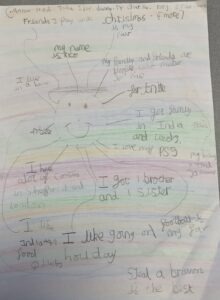
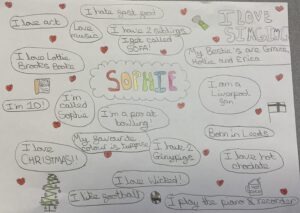
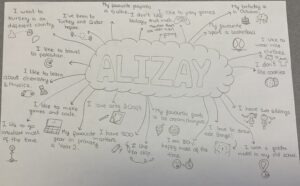
In class, we created an identity map. These showed what made us us. Take a look at some great examples.
Guided Reading Week 4
Here are the target pages for this week’s guided reading. These need to be read by Friday 5th December.
Divine Freaks: up to page 155
Spirit Walker: up to page 195
How to Train your Dragon: up to page 196
The Considine Curse: up to page 137
The Switch: up to page 165
Maths: Nets of 3D shapes
In maths, Year 6 have been looking at shapes and their properties. They have focussed on angles and how to draw triangles; nets for 3D shapes; and will be going on to look at areas of different 2D shapes.
In our nets lesson, the children explored different nets to see that when folded if they would make a cube or not.
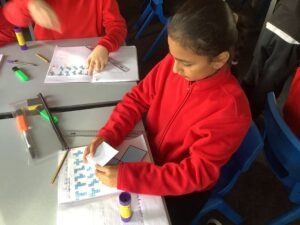
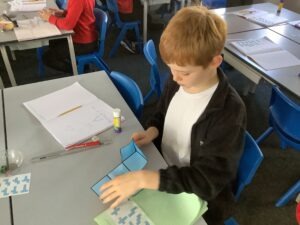
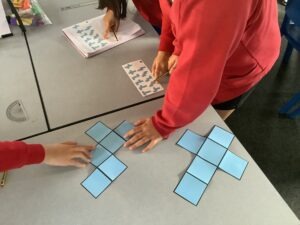
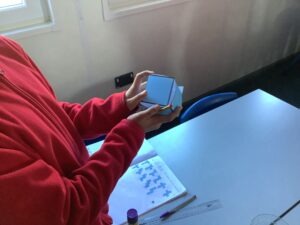
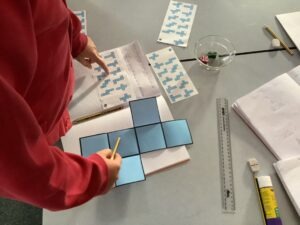
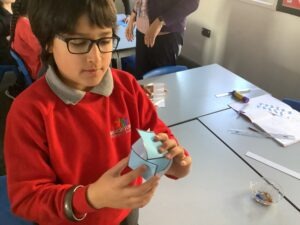
They then used this website to look at different 3D shape’s nets.
Help at home: Make a net for a 3D shape out of paper. Can you fold, cut and stick carefully so that it makes a successful 3D shape?
Science: Complete or Incomplete?
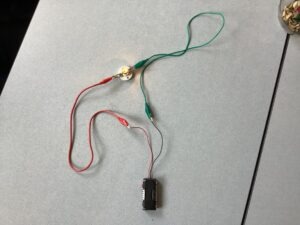
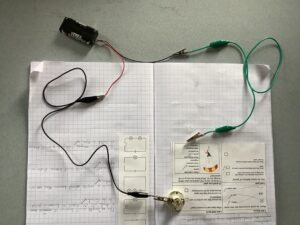
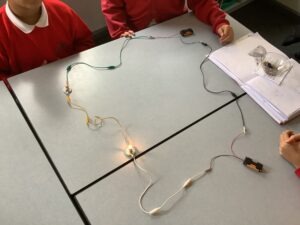
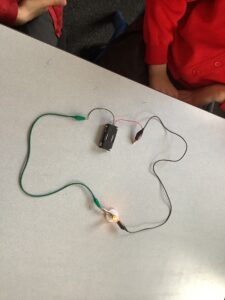
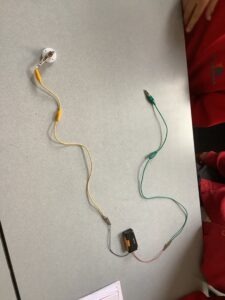
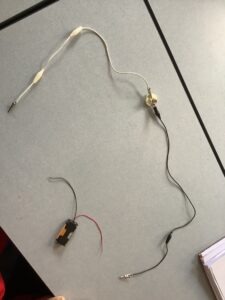
In our last science lesson, Year 6 looked at is a series circuit was complete or incomplete. The children created circuits and then had to reason if they were or not. Did you know that the current in a circuit will not flow if it is not complete?
Help at home: Are these circuits complete or incomplete? How do you know?
Guided Reading Week 3
Here are the target pages for this week’s guided reading. These need to be read by Friday 28th November.
Divine Freaks: up to page 128
Spirit Walker: up to page 140
How to Train your Dragon: up to page 159
The Considine Curse: up to page 104
The Switch: up to page 136
Writing: Formal vs Informal
Next week, Year 6 will be writing a review about their trip to the Yorkshire Sculpture Park. Their audience will be people who might be interested in visiting and therefore it will need to be a formal piece of writing.
The children looked at the difference between formal and informal writing.
Formal language is used for more official and serious purposes. The correct grammar and standard English should always be used. Whereas, informal language is used for more casual and less serious purposes. Slang words and chatty language can be used.
Help at home: What situations might you use formal or informal language in?
Can you swap these sentences into informal language?
- I guarantee your flight experience will be a positive one.
- The two boys were rather curious.
Can you swap these sentences into formal language?
- You’re going to have a dead good time!
- What time is that TV programme on?