
Science: an EGGcellent experiment
In Science, Y4 have been looking at teeth. It’s really important that we look after our teeth because if we don’t, they can decay.
Sugar creates a sticky substance, called plaque, which can build on your teeth and become a home for bacteria. This bacteria can lead to tooth decay. The protective layer of the teeth (the enamel) can wear away.
Certain food or drinks that are high in sugar or acid can damage our teeth and we must have them in moderation. To explore the effects of different liquids on our teeth, we conducted an EGGciting experiment.
We used the following drinks in our experiment:
Coke, vinegar, orange juice and water.
We conducted an observation over time to see the effects of these drinks on our teeth. However, instead of using real teeth for this experiment, we used eggs! An egg shell contains calcium – the same mineral that is found in our enamel (the protective layer on our teeth).

After leaving our eggs for 3 days, we removed them from their liquid and observed the changes.
The effects of these drinks were clear to see!


- The coke stained the eggshell brown.
- The orange juice decayed the outer layer of the egg shell.
- The vinegar caused the egg to grow in size and become bouncy and translucent.
What we can take away from this learning is that sugary or acidic food and drink can be harmful to our enamel. We should always brush our teeth twice a day, visit the dentist regularly and cut down on the amount of sugar we have to protect our teeth.
Help at home: try this experiment again at home but use different liquids to see their effect!
Food Technology: Savoury Scones
Today, Year 4 had food technology and made savoury scones! Lots of us had tried scones with jam and cream before but most of us had never eaten a savoury scone before, let alone made them.
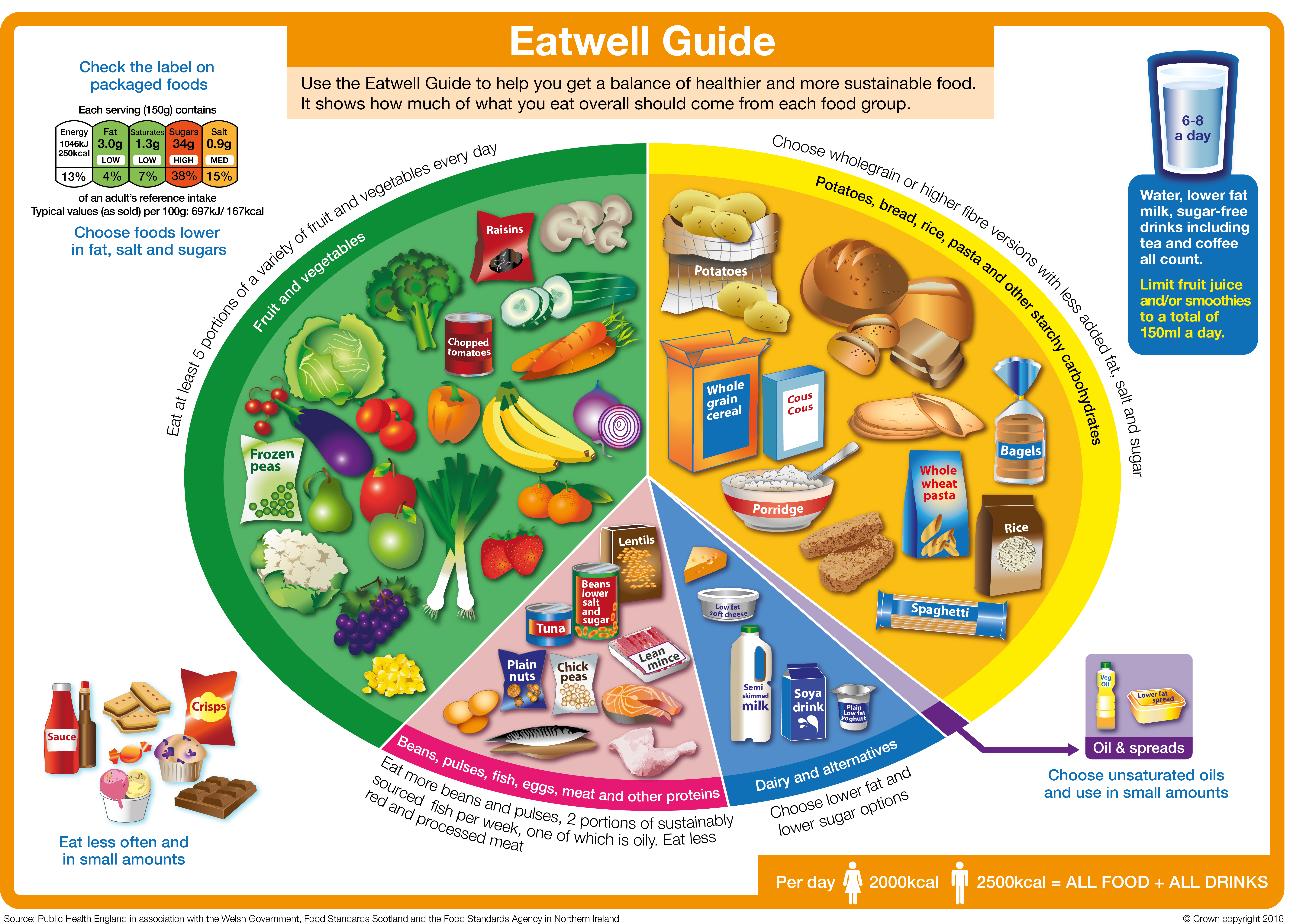
They were full of healthy vegetables like courgettes, carrot and sweetcorn. This was to make them filling and a part of our balanced diets.
We worked in two groups to make a batch of scones so we all had to share the jobs. The two main skills we learned and practised were grating and kneading.
We had to be safe when grating the vegetables as it can be tricky to keep the slippery grater up-right! We made sure our fingers weren’t too close.
Kneading our dough was difficult to start with as the dough was quite sticky. We had to use lots of flour on the surface and on our hands to stop it from sticking.
Here are some photos!


The scones came out fantastically and the children loved them! They’re a yummy and healthy snack.
Help at home: use the recipe below to remake the savoury scones but try adding different vegetables.

Topic: Design and Technology
In D&T this half-term, Year 4 are making a prototype of a go-kart.
A prototype is an early sample or model of a product used to evaluate a design.
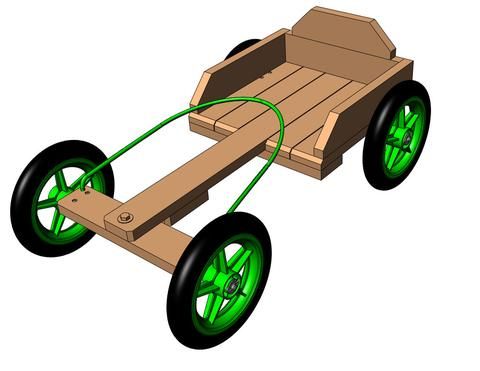
The design criteria (what makes a product successful) for their go-kart prototypes are:
- It has to move freely.
- It has to be able to hold a person (eg a model figure).
- It has to have an electrical circuit in order to move.
We’ve discussed that before a product can be made, it must be carefully designed. Today, Year 4 drew annotated sketches of their go-kart designs and had to label all the components that they’re going to use. They completed both a birds eye view and a side view sketch.
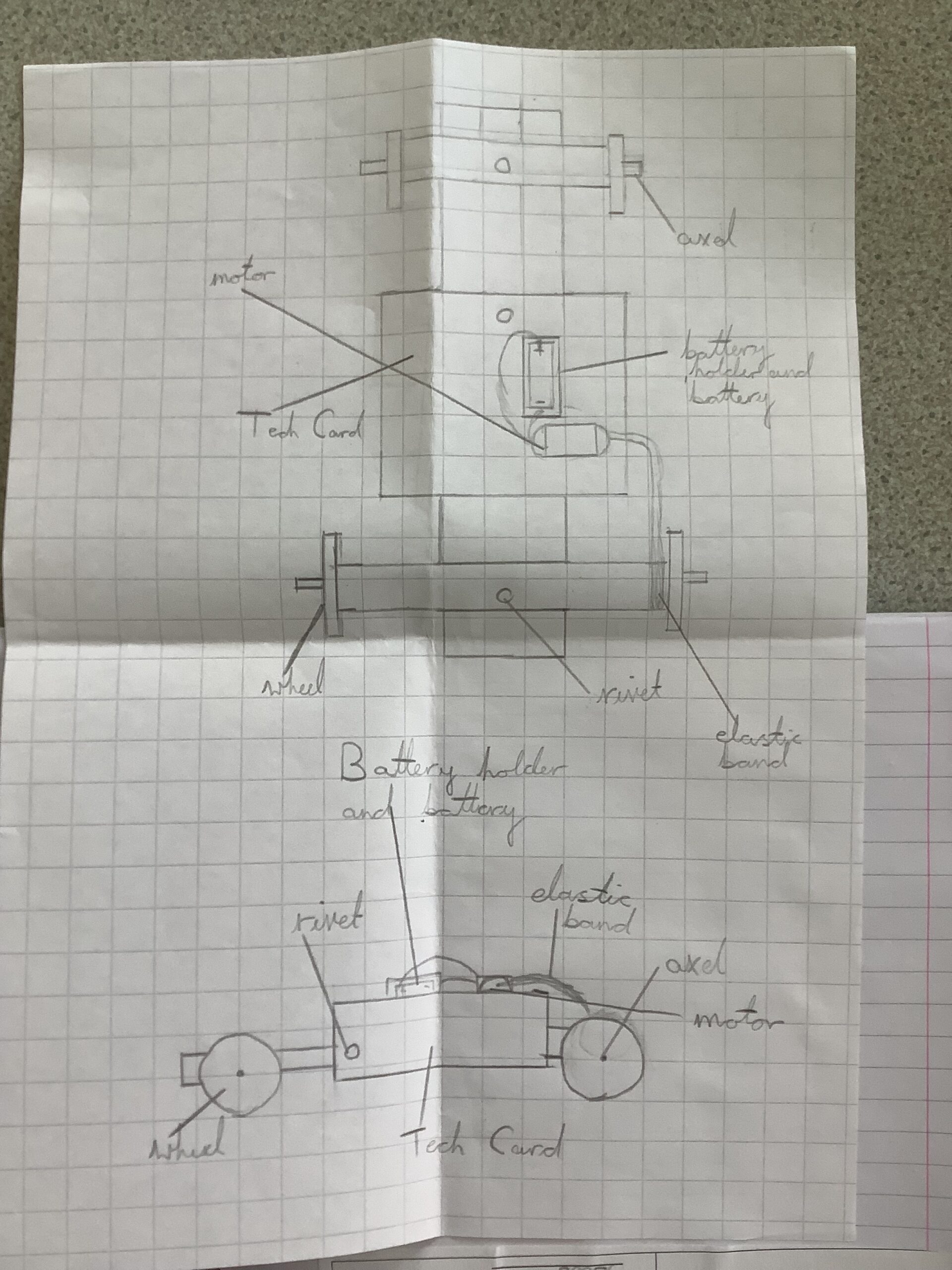
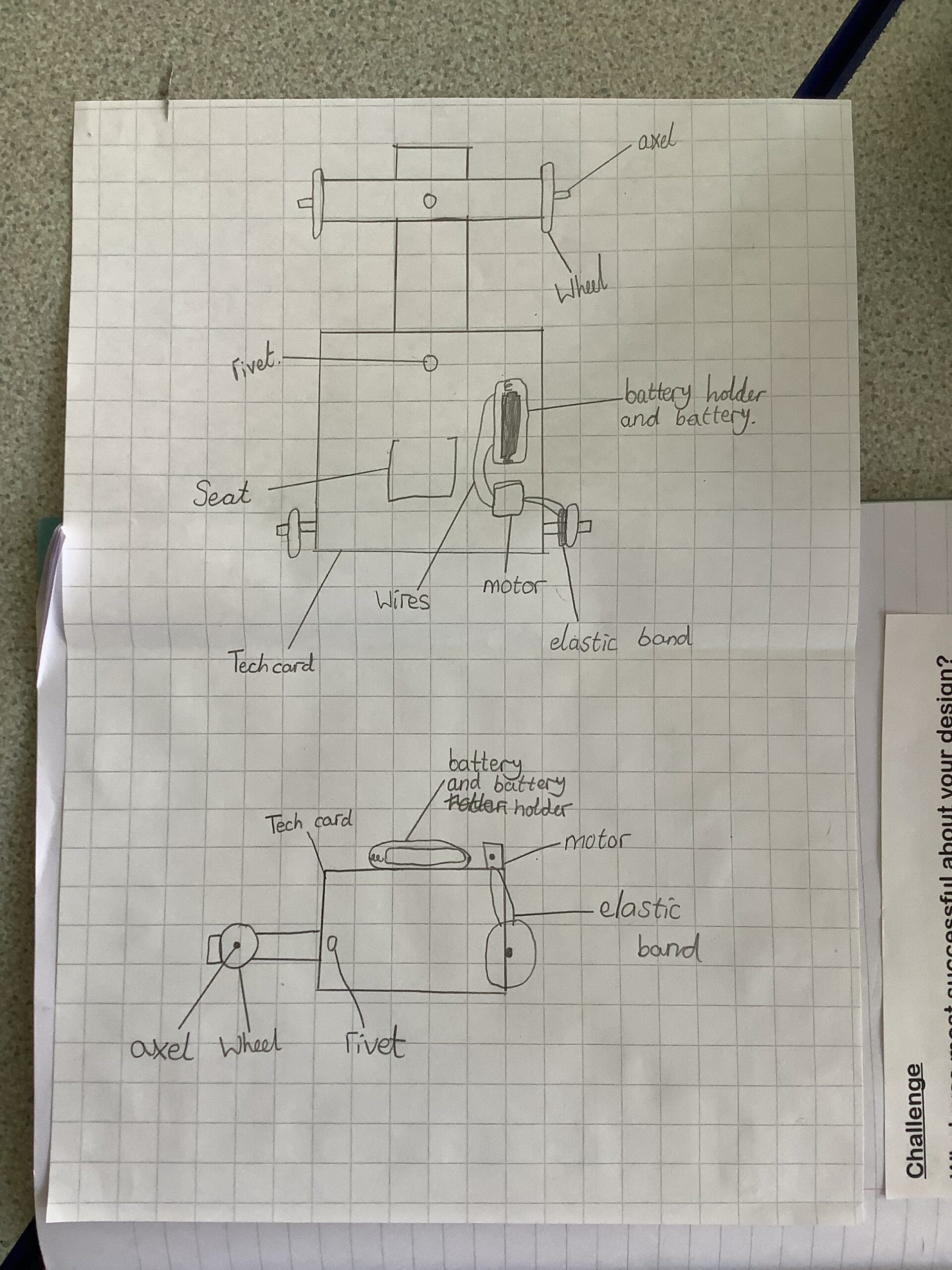
I can’t wait to see their designs come to life!
Help at home: What would wellington boots need to be successful?
Can you come up with 3 design criteria?
1.
2.
3.
Living and Learning: RSE
Over the last few weeks in Year 4, we’ve been exploring relationships and change.
We’ve discussed that our relationships should always be happy and healthy. We gave ideas for how we can make sure this is the case:
- We always respect each other.
- We are kind to each other.
- We try to help each other.
- We listen to each other.
If we don’t feel like our relationships are happy and healthy we should always speak to a trusted adult.
We then looked at the human life cycle and spoke about some of the changes that happen as we get older. For example, when we are born, we have no responsibilities and our grown ups look after us constantly. As we grow older, we have more responsibilities like cooking for yourself, having a job and learning to drive.
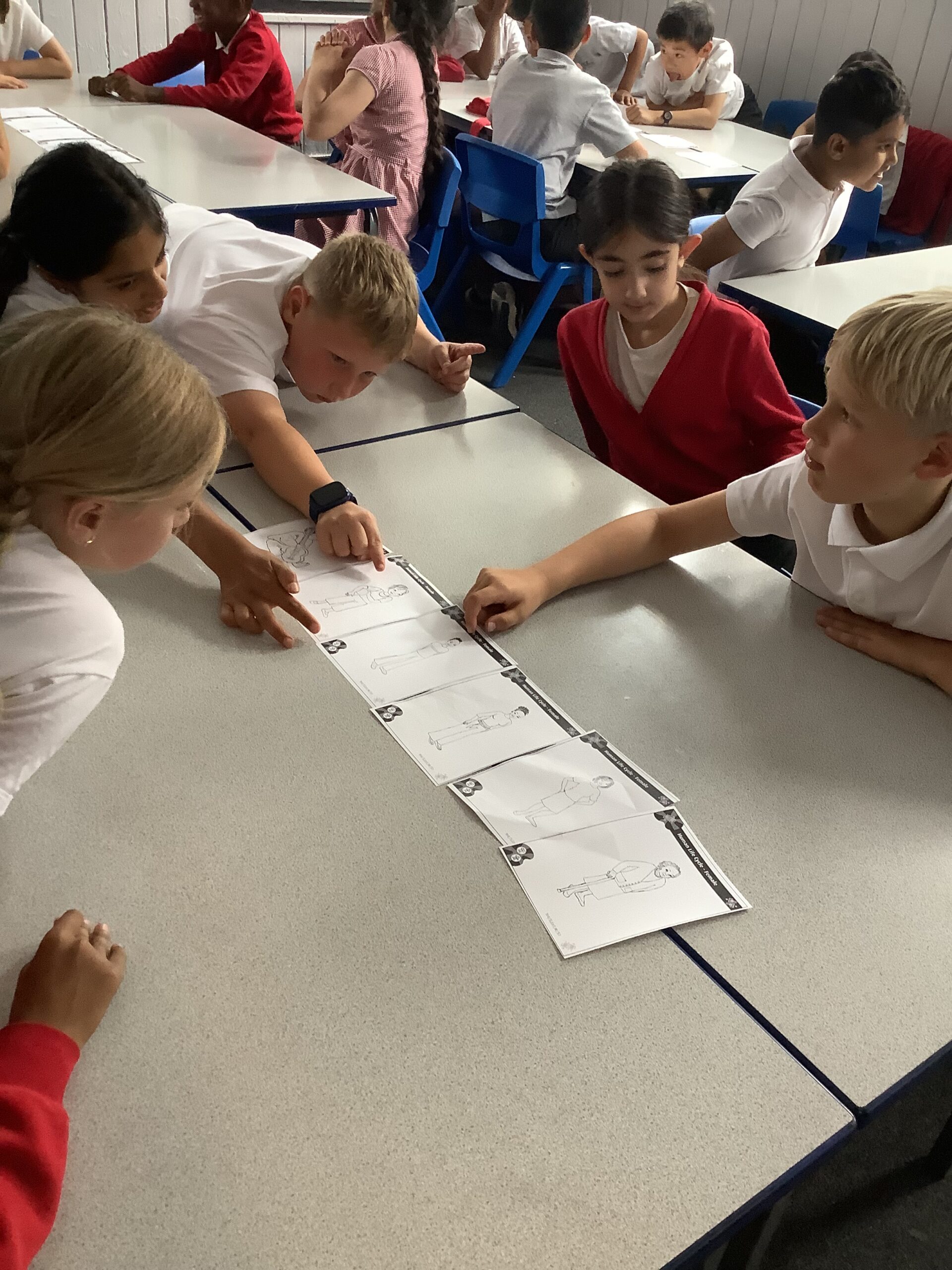
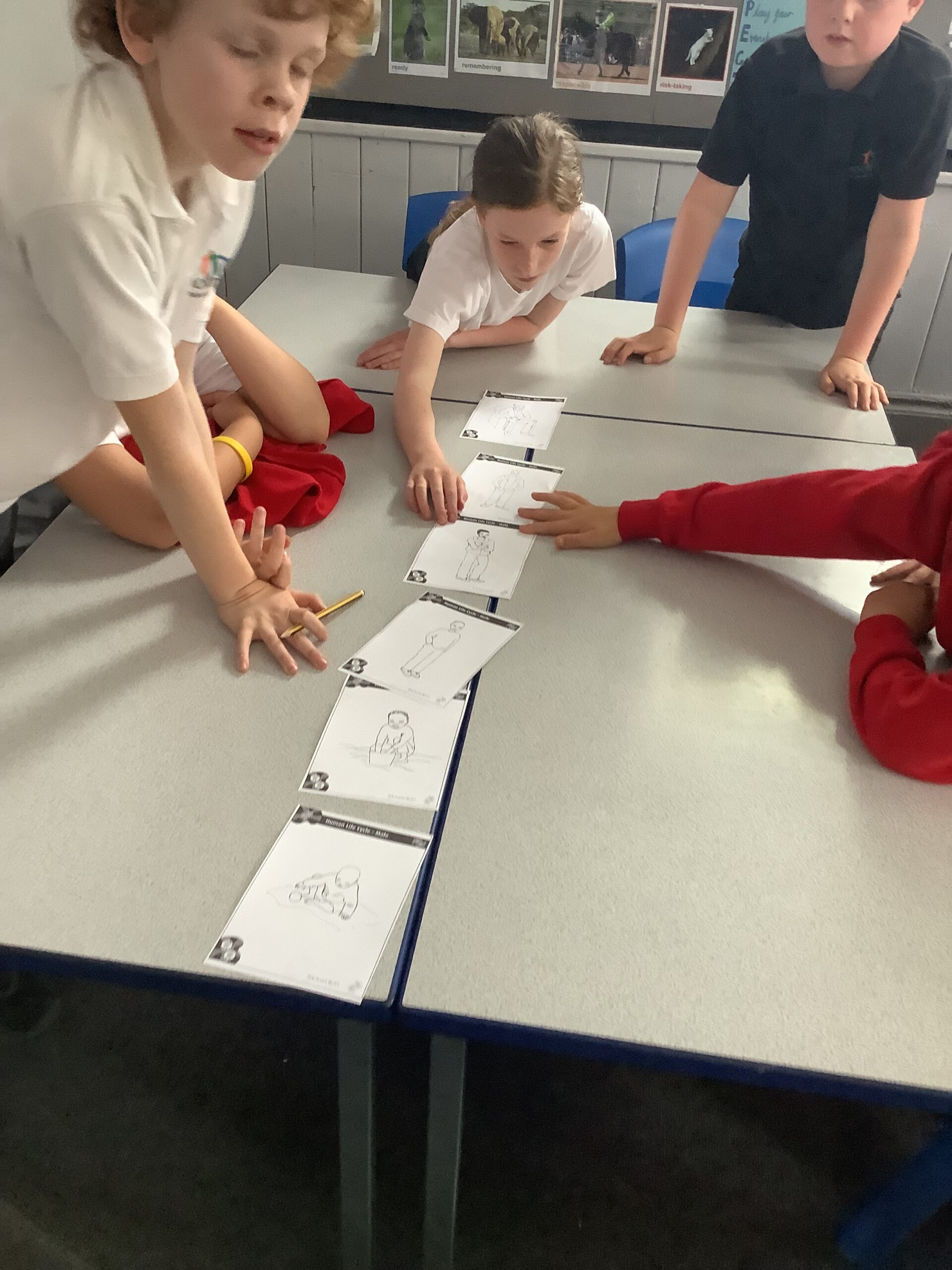
Help at home: by discussing a change that is coming up soon. How do you feeling about moving up to Year 5?
Group reading
Hello!
This week, we’ve begun our final group reading of the year!
The class have been divided into groups and each group has been given a book to read at home. This will last for this final half term.
During our Book Club sessions each Friday, each group will discuss what they’ve read so far and share their reading record activities related to their book. This will be a fantastic opportunity for the children to explore characters and storylines more than they might do normally!
Every Friday during Book Club, each group will be given a new page to read to for the following Friday.
This week’s pages:
- The Adventure Club: The Orphan Orangutan – page 22
- The 13-Storey Treehouse – page 32
- The Accidental Rock Star – page 20
- Chitty Chitty Bang Bang and the Race Against Time – page 20
- The Lion, the Witch and the Wardrobe – page 30
- Adventures of the Wishing-Chair – page 15
What to remember:
- Your child has a book that they need to read every week (up to a chosen point marked with a post-it note).
- Their reading record activity needs to be completed using their new book.
- A comment and signature from a grown up needs to be written in their reading record.
- Group reading books and reading records need to be brought in every Friday.
Help at home: listen to your child read their new book and ask them questions about the book to help prepare them for Book Club discussions.
Orienteering
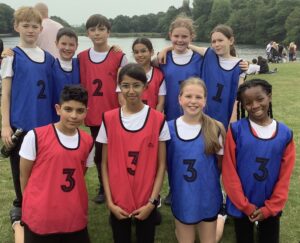
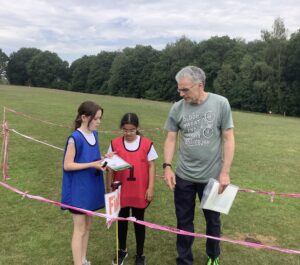
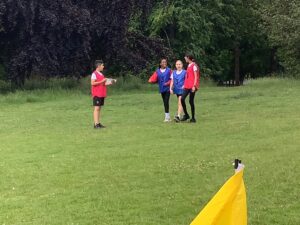
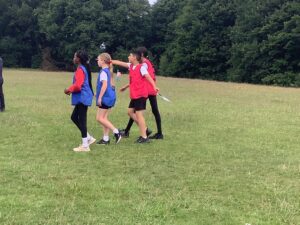
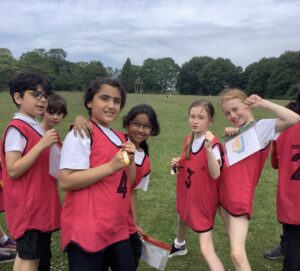
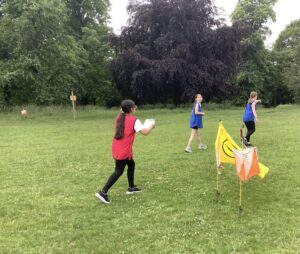
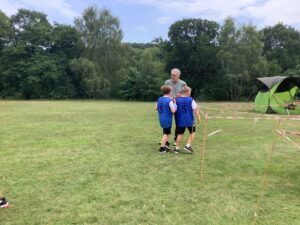
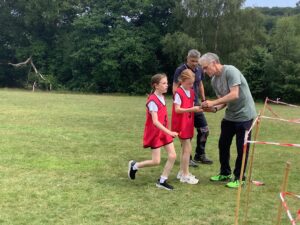
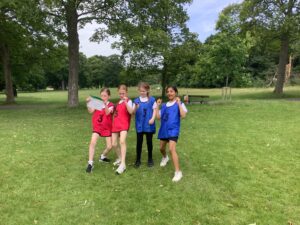
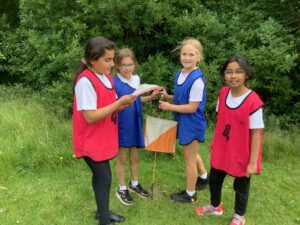
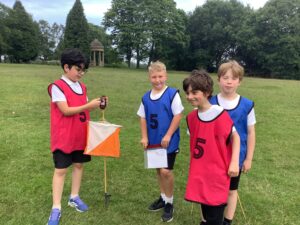
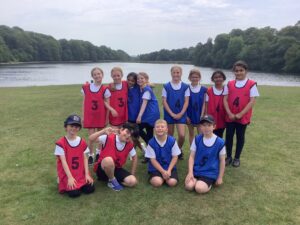
Recently, as part of the Leeds Well Schools Partnership, some of our Key Stage 2 children participated in an orienteering event at Roundhay Park.
After being briefed on the rules and how to complete the orienteering challenge, they set off with their partner armed with a map of the site to find the first check point. Then, it was back to the start to hand over to the other pair in their team for them to find check point two and so on until all twelve markers had been found.
The children worked brilliantly in their teams encouraging and supporting each other.
Well done to all the children for representing the school so well and developing these great skills.
The event was led by Airienteers and they have permanent orienteering courses across Leeds locations. Here’s the course for Roundhay Park.
Skipping Festival Final!
Yesterday, Year 4 went to Morley to participate in the Leeds Skipping Festival Final and they did an absolutely incredible job! The teamwork and support they showed between one another was outstanding and they cheered each other on when some were feeling a bit nervous.
We won some medals on the individual skips and won gold for our whole class skip dance! Everybody did a fantastic job and it was a really fun day out.
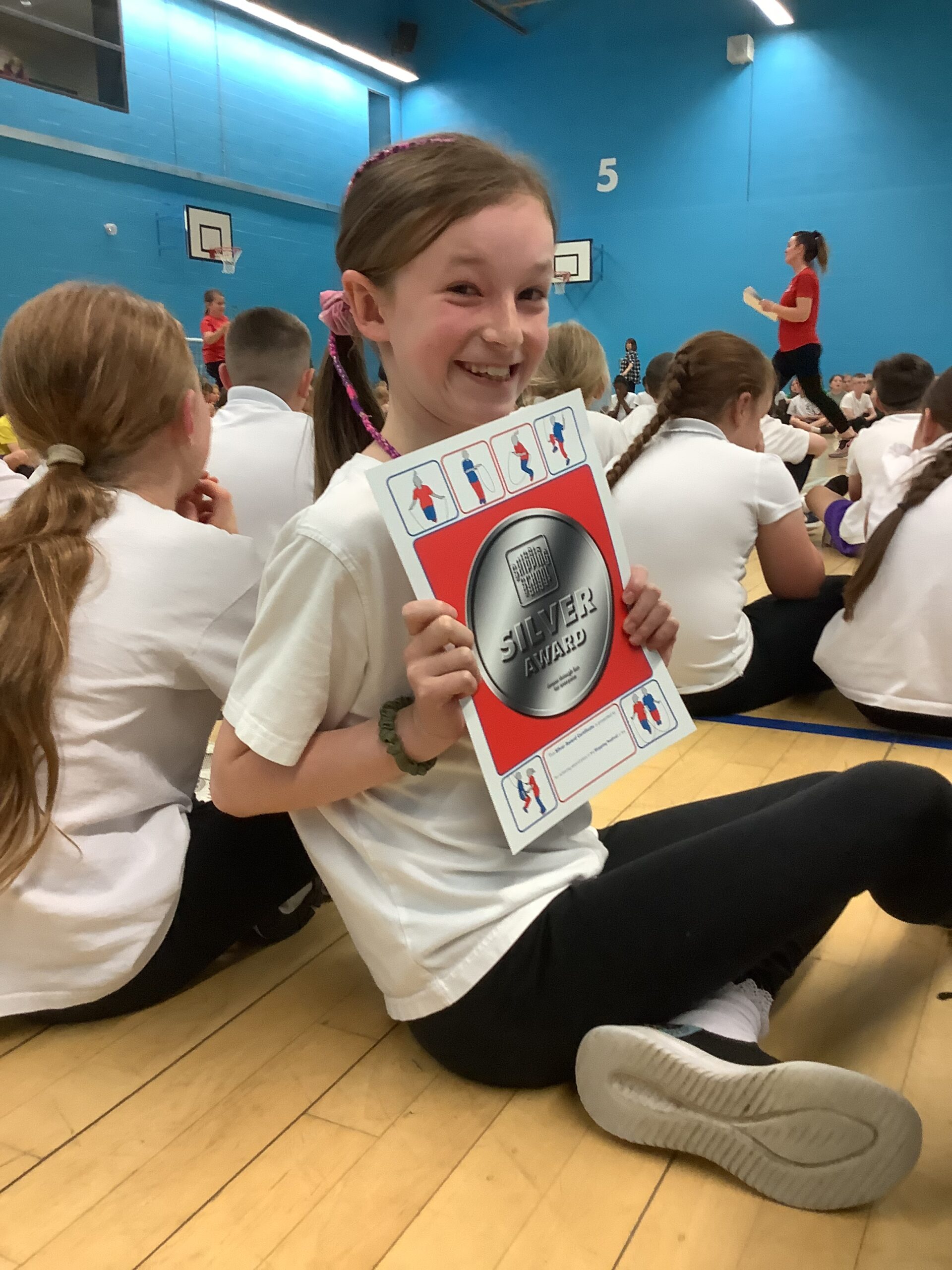
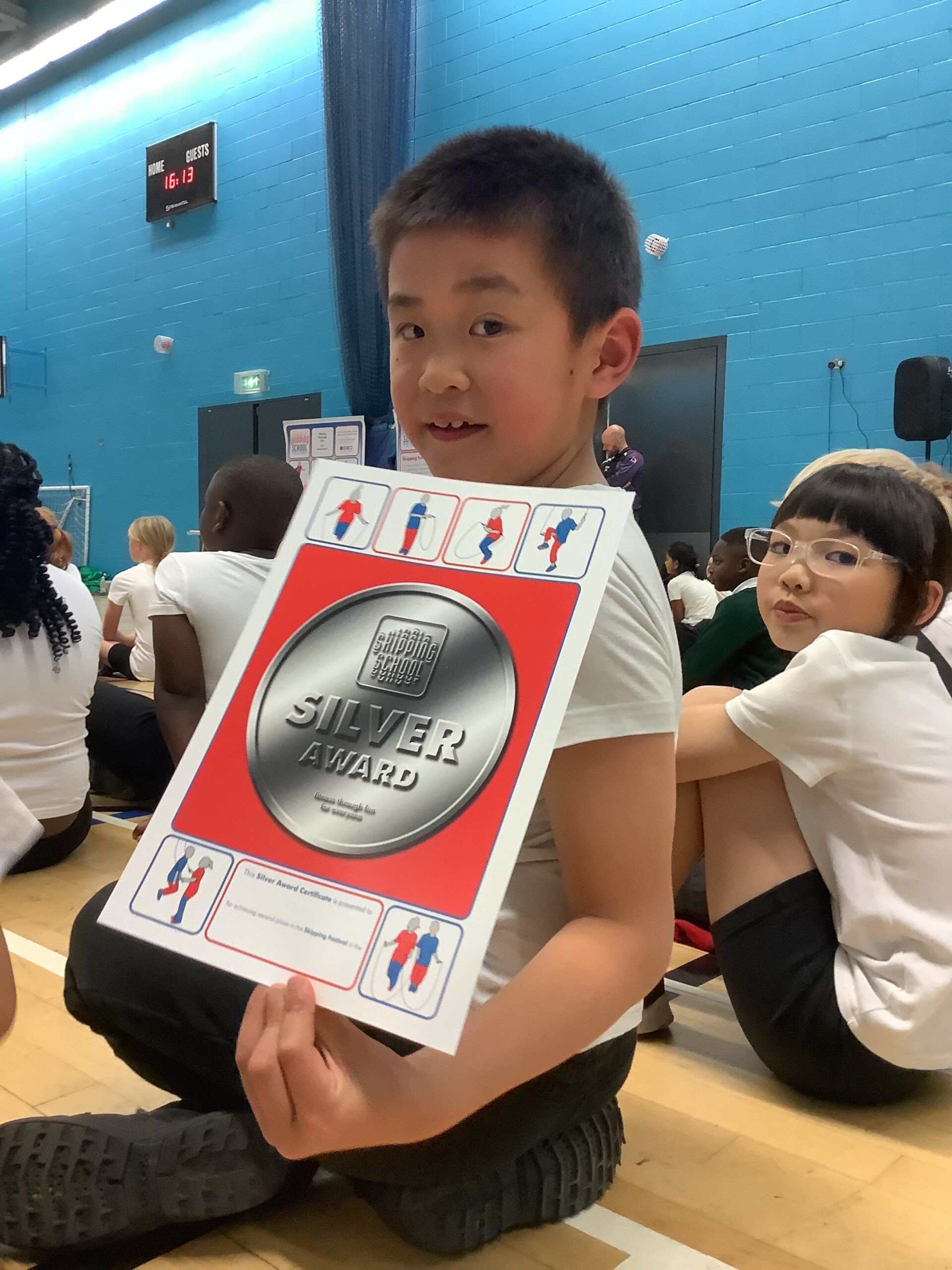
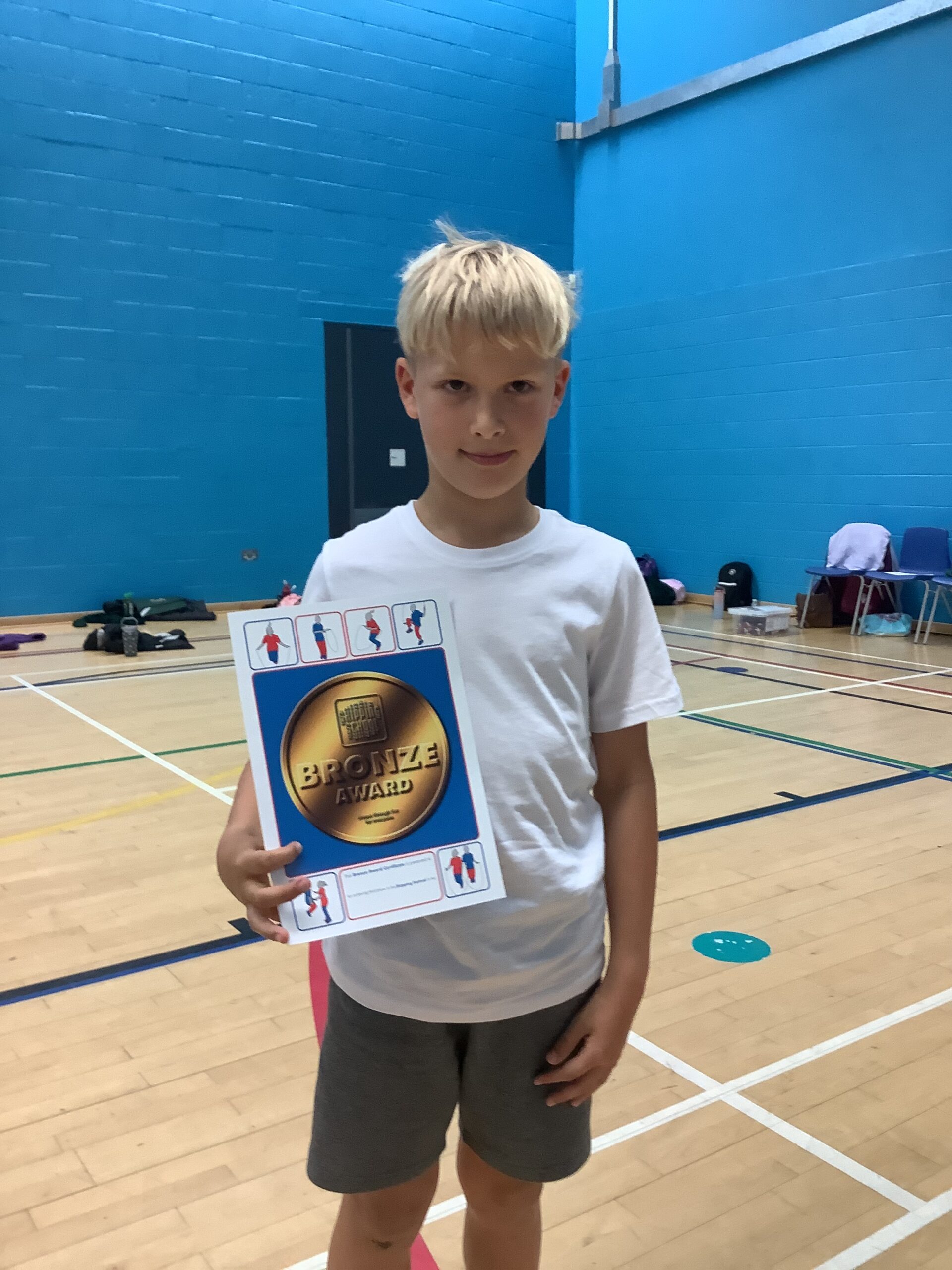
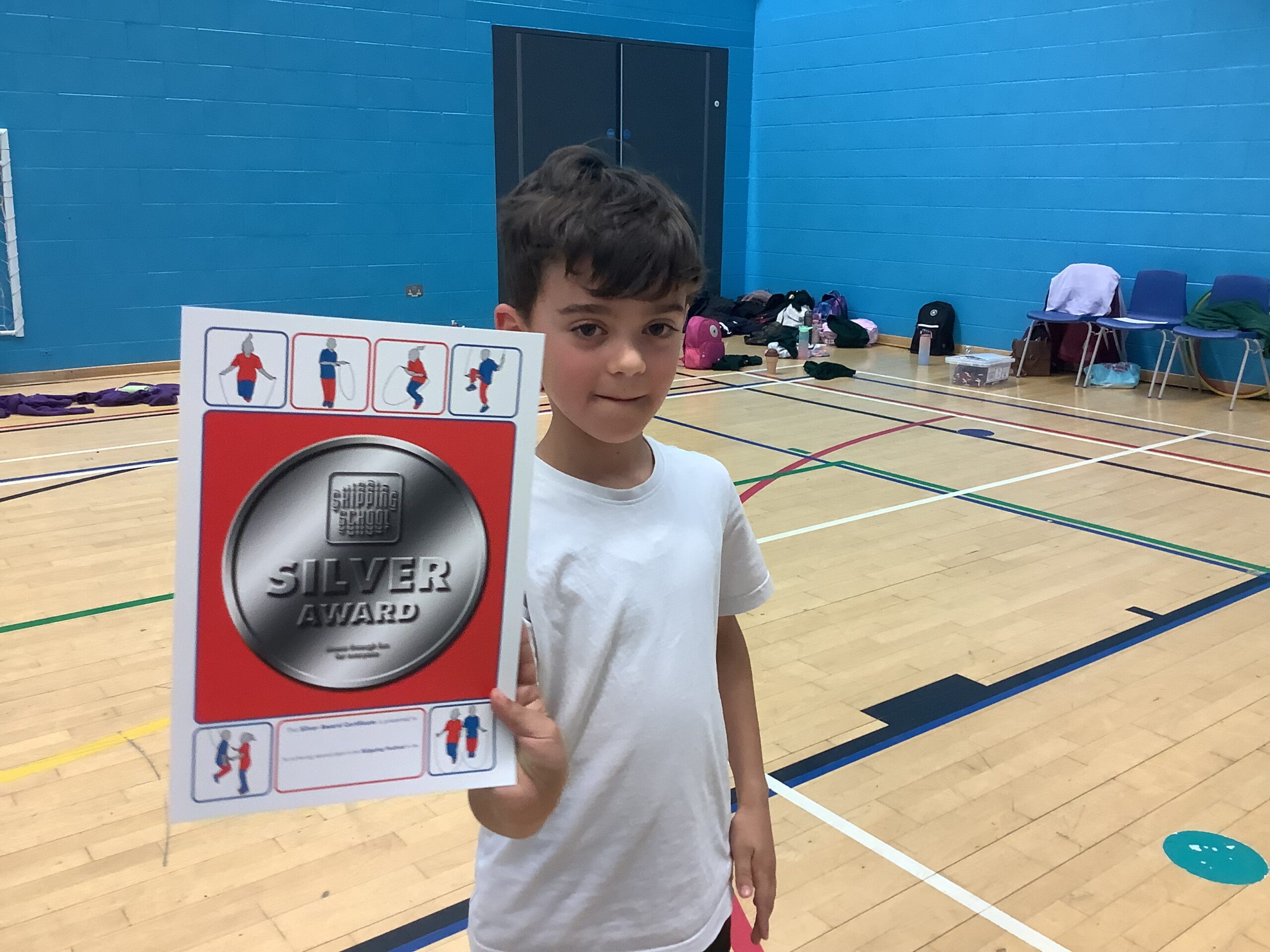
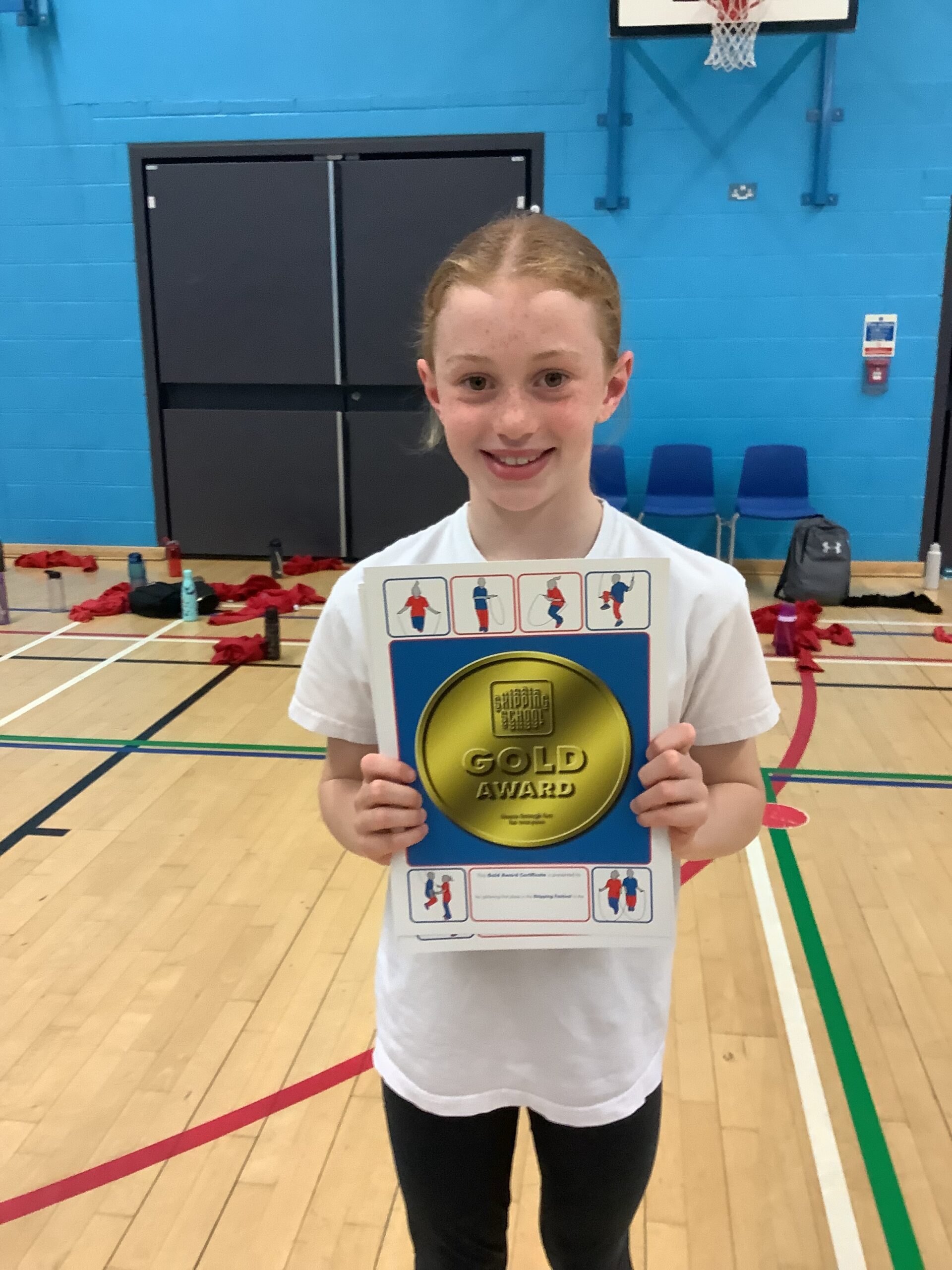

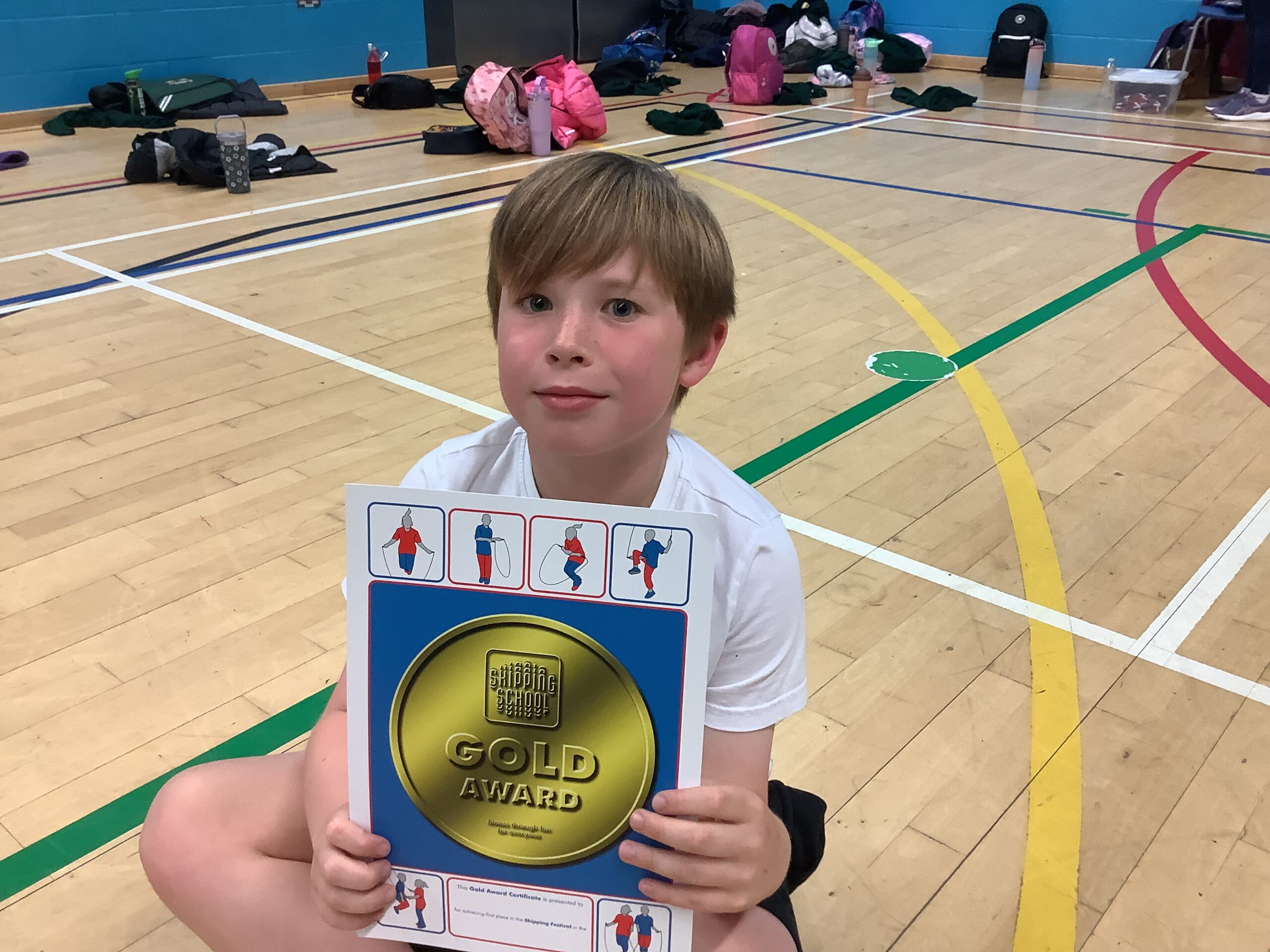
I am super proud of all of Year 4 for trying their best and representing Moortown so brilliantly.
Multiplication Tables Check
Coming up next week, Year 4 will be completing their Multiplication Tables Check (MTC).
They will have to answer 25 times table facts and will have 6 seconds for each question. It will be completed on the iPads.
I am so proud of all the progress Year 4 have made with their times tables this year. They have put in so much time and effort and this is reflected in their fluency.
In preparation for the MTC next week, ensure your children are practising their times tables up to 12s at home. Here are some ideas:
- Visit https://mathsframe.co.uk/en/resources/resource/477/Multiplication-Tables-Check to complete a practice MTC.
- Go on TTRS and do Garage and Soundcheck.
- Ask your child a different times table fact at each meal time.
- Play a game to see who can answer 10 times table facts the quickest.
- Stick some post-it notes around the house with different multiplication facts on.
Writing: setting description
Over the next few weeks, Year 4 will be writing setting descriptions based on a creepy, abandoned house. Our audience will be an illustrator so we’ll be so descriptive that an illustrator could use our writing to draw the setting for their book.
Today, we read a WAGOLL (what a good one looks like) and pulled out all the description that allowed us to picture the setting in our heads.
Deep in the middle of nowhere stood the Murkmire Forest — a dark, tangled, and silent place. The trees loomed like tall, twisted statues, their branches reaching out like bony fingers. Even during the day, a mist lay low to the ground, curling around roots and rocks like it didn’t want to let go.
The air inside the forest was heavy and still, as if it had been holding its breath for years. Leaves crunched softly underfoot, though no animals ever seemed to stir. Every now and then, the wind would blow suddenly, whispering through the trees like it had something to say — like a ghost trying to reach out.
Even the sunlight seemed afraid to enter, slipping weakly through the thick canopy above. Shadows moved where nothing else did, and the deeper you walked, the more the path behind you seemed to fade. Some say if you stay too long, the forest remembers your footsteps… and follows them.
Using this description, your children then drew what they imagined the forest to look like. This was a great way for them to see how important rich description is for the reader.


Help at home: when your children are out and about, ask them to use their 5 senses to describe what they’re experiencing.
- What can you smell?
- What can you see?
- What can you hear?
- What can you feel?
- What can you taste?
Waterstones!
Yesterday, 9 children from Year 3 and 4 went on a trip into Leeds city centre to visit Waterstones!
The children had a look around and all chose a book to take home. We had great fun looking at all the different choices that were available. It was hard to choose just one!
Your children chose a mixture of books – graphic novels, narratives and non-fiction books.
It was a lovely afternoon out!


